


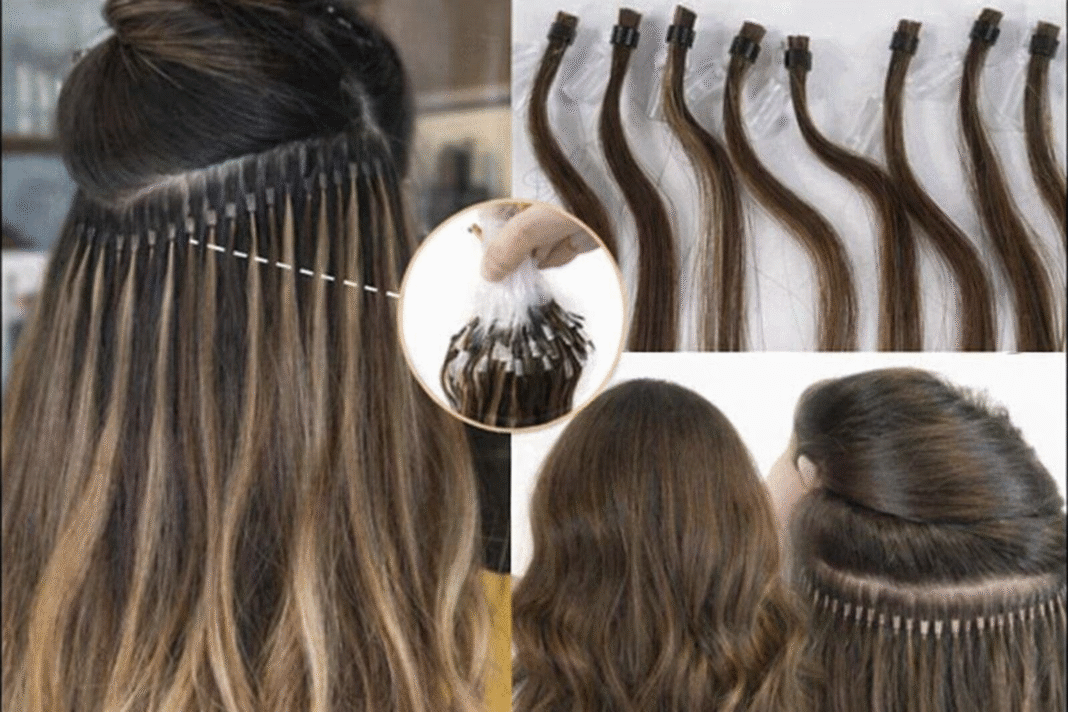
A shocking new scientific study has raised serious concerns about the safety of hair extensions — a beauty product widely used to add volume, length, and glamour.
Researchers have discovered that many popular hair extension products contain harmful chemicals, including substances linked to cancer, hormone disruption, and immune system damage.
Hair extensions have become a major part of the global beauty and fashion industry. Celebrities such as Elle Macpherson, Ivanka Trump, and Taylor Swift have all been known to use hair extensions, influencing millions of fans worldwide.
From clip-ins to tape-ins and micro-links, these products are marketed as a quick and easy way to achieve thicker, longer, and more attractive hair. However, new research suggests the beauty boost may come with hidden health risks.
The study was conducted by scientists at the Silent Spring Institute in the United States. Researchers analyzed 43 popular hair extension products sold online to test them for toxic chemicals. The results were alarming. Dozens of potentially dangerous substances were found — even in extensions made from real human hair.
Among the harmful chemicals detected were flame retardants, phthalates, pesticides, styrene, tetrachloroethylene, and organotins.
Previous scientific research has linked these substances to serious health issues such as cancer, hormone imbalance, reproductive problems, developmental issues in children, and damage to the immune system.
According to lead researcher Dr. Alicia Franklin, many beauty companies do not fully disclose the chemicals used in their products.
This lack of transparency means consumers may be unknowingly exposing themselves to harmful substances over long periods of time. Because hair extensions are worn close to the scalp and neck, they are in constant contact with the skin. Additionally, when extensions are heat-styled using straightness or curling tools, some chemicals can be released into the air and inhaled, increasing the risk of exposure.
Hair extensions such as clip-in hair extensions, tape-in extensions, weave hair extensions, and micro-link extensions are especially popular in the United States and the United Kingdom.
The global hair extensions market continues to grow rapidly due to beauty trends, social media influence, and celebrity culture. However, this new research highlights the urgent need for stronger safety regulations and better product labeling within the beauty industry.
Consumers concerned about hair extension safety should take practical steps to reduce potential risks. Experts recommend choosing brands that provide full ingredient transparency and safety certifications.
Look for products labeled as non-toxic, chemical-free hair extensions, or certified safe beauty products. Avoid excessive heat styling, as high temperatures may increase chemical release.
Washing new extensions before use may also help reduce surface residues. Most importantly, consumers should stay informed and avoid products from companies that do not clearly disclose ingredient information.
This study serves as an important reminder that beauty products are not always risk-free. While hair extensions can enhance appearance and confidence, understanding the potential health risks is essential.
As awareness grows around toxic chemicals in beauty products, consumers are encouraged to demand safer, transparent, and healthier alternatives.
The glamorous look of long, thick hair should never come at the cost of long-term health.