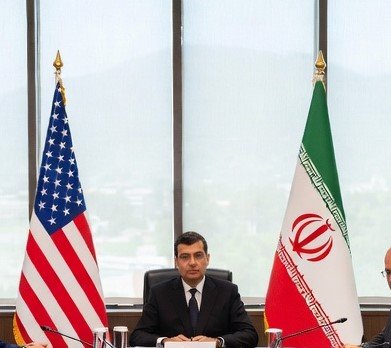
ISLAMABAD: Fresh diplomatic momentum is building as the United States and Iran prepare for crucial talks expected to take place in Islamabad this weekend. The development comes at a sensitive time, as tensions remain high after weeks of conflict across the Middle East.
According to International Atomic Energy Agency chief Rafael Grossi, the upcoming negotiations will go beyond nuclear issues. This time, discussions may include missile programs, Iran-aligned militias, and long-term security guarantees for Tehran. These expanded talks signal a shift toward a broader and more complex diplomatic effort.
Grossi stressed that diplomacy must take priority. He suggested that a temporary solution could be possible if both sides show flexibility. Under such a plan, Iran may pause uranium enrichment for now. In return, wider political and security concerns could be addressed over time. He added that both sides may revisit key issues again in the next five to ten years.
Meanwhile, the conflict that began on February 28 continues to shape the urgency of these talks. The war involving the US, Israel, and Iran has already impacted stability across the region. As a result, global powers are pushing harder to avoid further escalation.
Pakistan has emerged as a key diplomatic bridge in this crisis. Officials in Pakistan have worked closely with Turkey and Egypt to keep communication channels open. These back-channel efforts aim to reduce tensions and create space for formal negotiations.
In a significant move, Asim Munir held direct contact with Donald Trump earlier this week. The White House confirmed the communication, highlighting the seriousness of the situation. Shortly after, Shehbaz Sharif publicly offered Islamabad as a venue for peace talks. President Trump acknowledged the offer on his social platform, further raising expectations.
At the same time, Pakistan reportedly delivered a US proposal to Iranian officials. While details remain unclear, reports suggest it may be part of a broader framework aimed at ending hostilities. However, Iran has responded cautiously.
Iranian officials have rejected the latest US proposal. They insist the war will end only on their own terms. According to sources, Tehran has set clear conditions. These include a complete halt to attacks, guarantees against future conflict, financial compensation, and international recognition of its strategic interests, including control over the Strait of Hormuz.
Despite setbacks, diplomatic efforts continue. Turkey is also actively exploring options to host or support the talks. Both Islamabad and Ankara remain under consideration as possible venues.
For now, all eyes are on Islamabad. If the talks move forward, they could mark a turning point in one of the region’s most dangerous standoffs. The coming days will be critical in deciding whether diplomacy can succeed where conflict has failed.