Karachi: The KSE-100 crash returned to the headlines as Pakistan’s stock market faced fresh pressure amid rising uncertainty in the Middle East. As a result, investors turned cautious, and the market quickly slipped into negative territory.
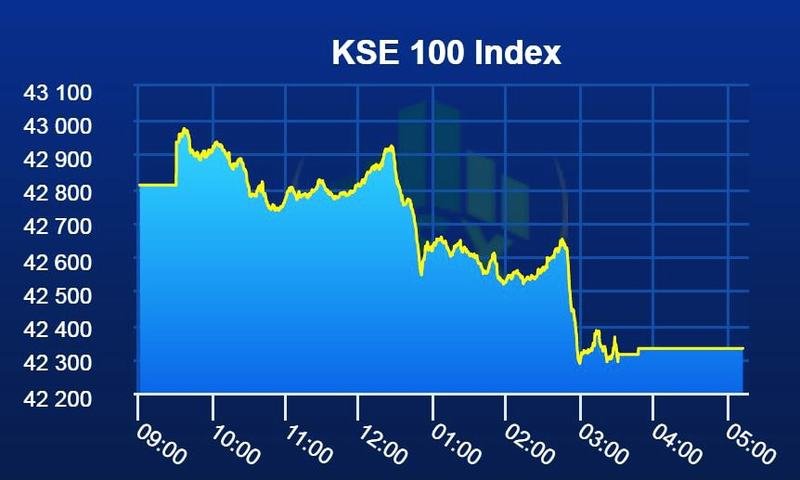
At the start of the trading session, however, the market showed strong momentum. The KSE-100 index jumped by more than 3,500 points. Consequently, it briefly reached 148,201 points. This early surge created optimism among traders.
However, the positive trend did not last long. Soon after, selling pressure increased across key sectors. As a result, the KSE-100 crash deepened, and the index lost multiple levels during the session. This sharp reversal clearly reflected market instability.
It is important to note that the previous week had ended on a strong note. The KSE-100 index had closed at 151,707 points. Therefore, the sudden drop surprised many investors and raised fresh concerns.
Meanwhile, global factors also played a major role. The ongoing tensions in the Middle East continued to impact investor confidence. As a result, regional markets also showed weakness.
In Asia, markets reacted strongly to the uncertainty. For instance, Japan’s Nikkei index fell by around 5.5%. Similarly, South Korea’s KOSPI index fell by nearly 5%. These declines indicated a broader regional slowdown.
In addition, Malaysia’s FTSE Bursa index declined about 1.5%. At the same time, China’s Shanghai Composite index slipped by nearly 1%. Hong Kong’s Hang Seng index also showed a similar downward trend.
Therefore, the KSE-100 crash was not an isolated event. Instead, it reflected a wider market reaction across Asia. Investors remained cautious amid rising geopolitical risks.
Looking ahead, market direction will depend on global stability. If tensions ease, confidence may return. However, if uncertainty continues, the KSE-100 crash could extend further.
For now, traders are closely watching both local and international developments.