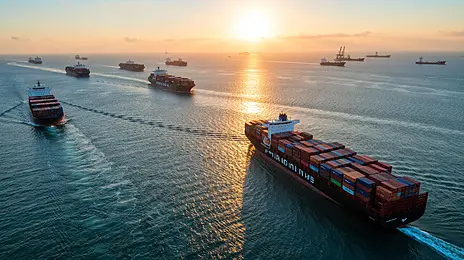


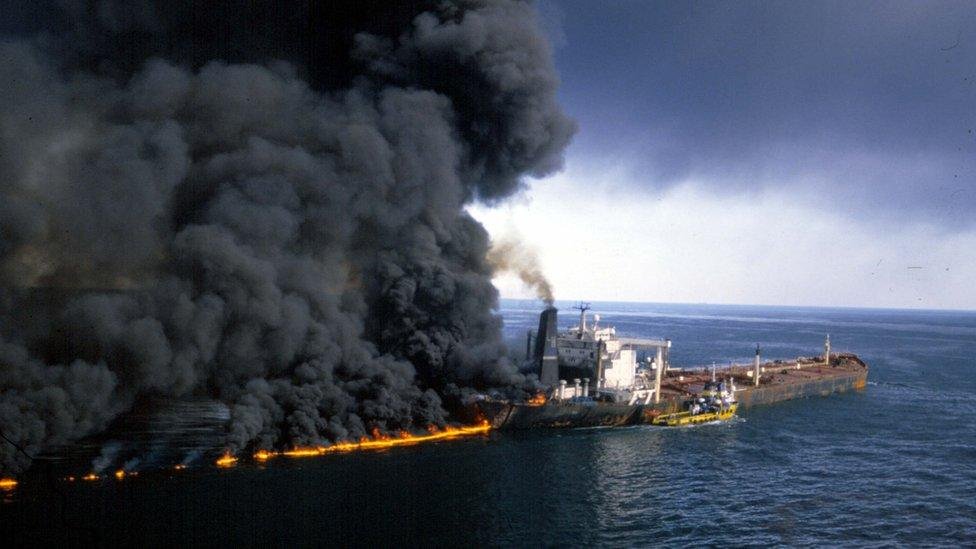
Paris, Tokyo: Hormuz Strait shipping has resumed limited movement for the first time since the Middle East conflict escalated. French and Japanese-linked commercial vessels successfully passed through the Strait of Hormuz despite ongoing tensions.
The conflict had effectively restricted this vital route. Oil and gas shipments slowed sharply as security risks increased. However, a few Hormuz crossing ships have now taken the risk to move through the corridor.
Shipping trackers reported that a vessel associated with the French group CMA CGM exited the Gulf safely. The ship sailed under a Malta flag. It avoided sharing its destination and instead displayed a message linked to its ownership. This move helped the vessel reduce exposure to potential threats.
Experts say some Hormuz crossing ships used routes close to Iranian-controlled waters. Analysts describe this path as a sensitive corridor that may require informal clearance. This has added a new layer of complexity for global shipping companies.
At the same time, a Japanese-linked tanker and three other vessels used a southern route near Oman. Sohar LNG became the first Japanese vessel to exit the Gulf since the crisis began. These Hormuz-crossing ships relied on strategic signaling to enhance safety during transit.
The number of vessels using the strait remains far below normal levels. In stable conditions, about 120 ships pass daily. Since early March, only 221 ships have crossed. A large portion of these Hormuz-crossing ships are linked to Iran or moving toward it.
Market analysts warn that uncertainty still dominates. Iran’s selective targeting policy has raised concerns across global markets. Many ships now adjust their signals or identity details to avoid confrontation.
The latest movement shows that Hormuz crossing ships are returning, but risks remain high. This key global route continues to operate under pressure, with every transit closely monitored worldwide.