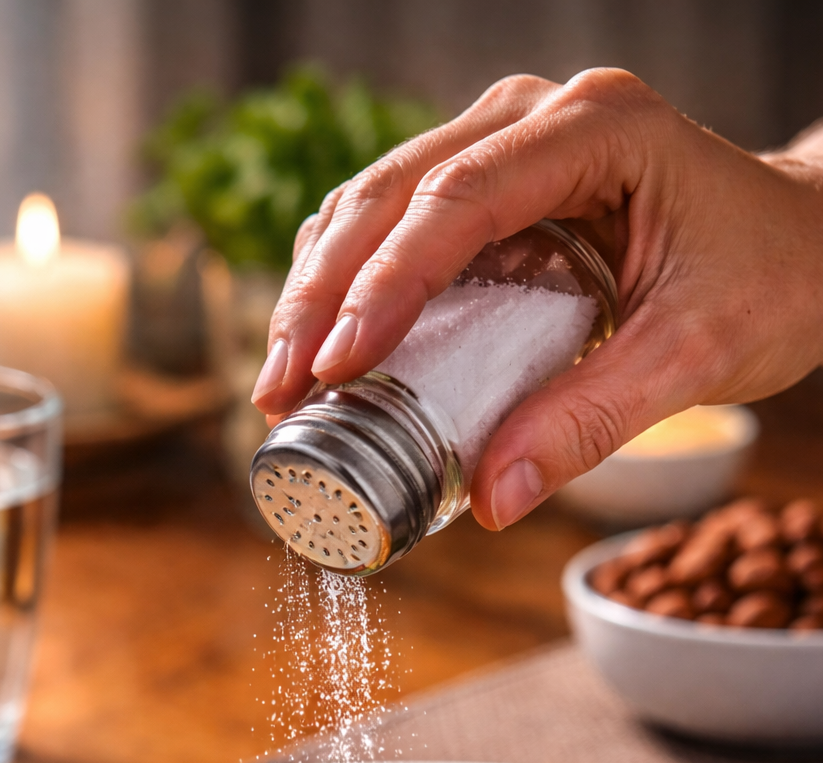
Chinese scientists have warned that adding extra salt to meals may harm mental health. Their study shows a link between high salt intake and depression.
The research looked at over 15,000 adults and analyzed their eating habits. It found that people who added the most salt had a 26% higher chance of developing depression.
Experts did not fully explain why extra salt affects mood. However, they suggested that too much salt can overstimulate the body’s stress system. This may increase stress hormone levels, which can affect emotional balance.
High salt intake can also trigger inflammation. Inflammation may impact brain areas that control emotions and mood. This may make people more vulnerable to depression.
Researchers at Guangdong Provincial People’s Hospital noted a clear link between excess salt and depression risk. They recommend reducing added salt to protect mental health.
Limiting salt is not only good for the heart. It can also lower stress on the body. By cutting down on late-night snacks and high-salt meals, people may reduce excess salt and depression risk over time.
Small changes can make a big difference. Choosing fresh, low-salt foods and monitoring salt use can support both physical and mental well-being. This simple habit can help maintain a balanced mood and healthier lifestyle.
Overall, being aware of how much salt you eat is crucial. Avoiding frequent extra salt can improve heart health, metabolism, and mental health. Experts emphasize that diet matters as much for the brain as it does for the body, making it important to limit salt and lower excess salt and depression risk.