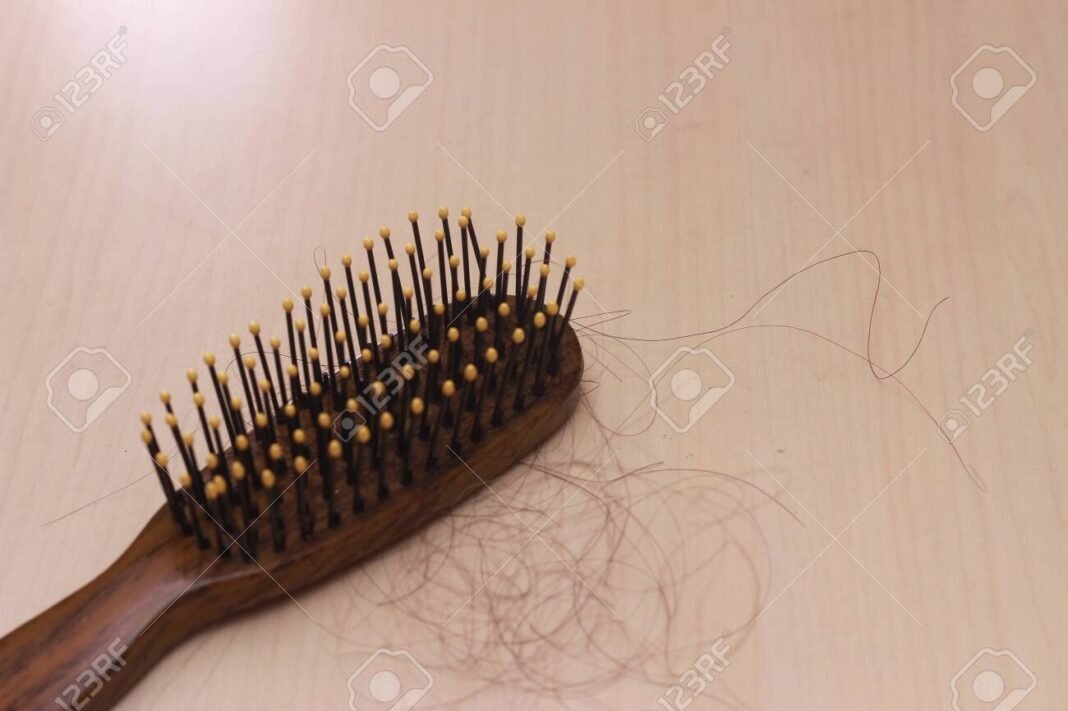
Hair problems are common now. Many people complain about hair fall at a young age.
Stress, poor diet, and hormonal imbalance play a role. However, one major reason people ignore is nutrient deficiency. Your body needs vitamins and minerals to grow strong hair.
When your diet lacks essential nutrients, your hair becomes weak and thin.
Zinc Deficiency and Hair Problems
Zinc is a powerful mineral. It supports hair tissue growth and repair. It also keeps oil glands around hair follicles working properly.
When your body lacks zinc, hair fall can increase quickly.
Low zinc levels can:
- Slow down hair growth
- Weaken hair roots
- Cause thinning
- Make hair dry and brittle
In severe cases, people may even notice patchy hair loss.
Signs You May Have Low Zinc
You may not notice zinc deficiency at first. But your body gives signals.
Common signs include:
- Frequent hair shedding
- Weak immunity
- Slow wound healing
- Brittle nails
- Loss of appetite
If these symptoms appear together with hair fall, you should consider checking your zinc levels.
Best Zinc-Rich Foods for Healthy Hair
You can improve zinc levels naturally through diet.
Add these foods to your meals:
- Pumpkin seeds
- Chickpeas
- Lentils
- Eggs
- Yogurt
- Nuts
- Whole grains
A balanced diet supports strong roots and reduces breakage.
Should You Take Zinc Supplements?
Do not start supplements without medical advice.
Too much zinc can also harm your body. A doctor can recommend the right dosage after a blood test.
If zinc deficiency is confirmed, proper treatment can reduce hair fall and improve thickness within a few months.
Simple Tips to Control Hair Loss
Along with proper nutrition:
- Avoid harsh shampoos
- Limit heat styling
- Oil your scalp regularly
- Manage stress
- Drink enough water
Hair health reflects your internal health. If you notice unusual hair shedding, do not ignore it. Sometimes the real problem is inside your body.
Correcting zinc levels early can protect your hair and restore natural strength.