Islamabad: Iran is preparing a new system to regulate ship movements through the strategically important Strait of Hormuz, according to reports from Tehran.
According to a report by the Financial Times, this new mechanism may remain in place even after tensions with the United States and Israel ease. This suggests a long-term shift in how maritime traffic is managed in the region.
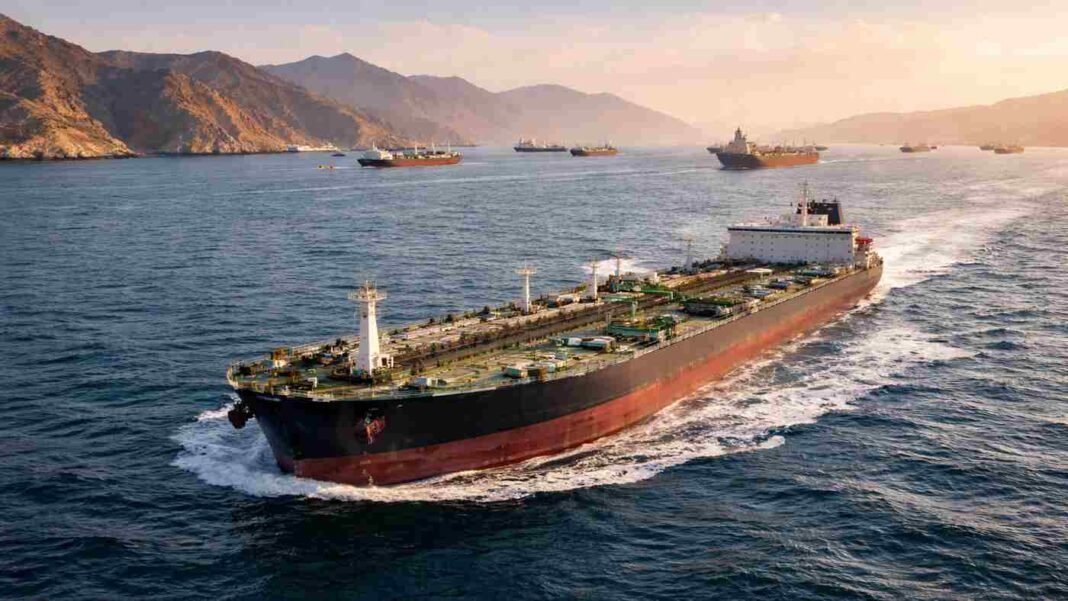
Before the conflict, nearly 135 ships passed through the Strait of Hormuz daily. However, traffic declined sharply after tensions escalated. Between March 1 and March 25, only 116 vessels used the route.
Reports indicate that most ships during this period were linked to China, India, and Gulf countries. In addition, some vessels were part of the so-called “dark fleet,” operating under sanctions-related restrictions.
According to the report, some ships paid up to $2 million to secure safe passage. Iranian officials have also suggested that similar fees may be applied to vessels crossing the route.
Meanwhile, experts say the approval process involves diplomatic coordination between governments. Once approved, ships receive a specific code that must be broadcast on international emergency frequency VHF Channel 16 near the Strait.
At this stage, Iranian authorities review ship documents, cargo destinations, and crew details before granting passage. This reflects a more controlled and monitored system than before.
Shipping data further shows that most cargo moving through the route after the conflict was not destined for the United States or Europe. Instead, vessels mainly headed toward East Asia, with some routes extending to Africa and South America.
Moreover, many ships reportedly used Iranian territorial waters instead of traditional shipping lanes to ensure safer transit.
In a separate development, reports suggest that some foreign vessels are using Pakistani flags for transit. Sources indicate that certain shipping companies are changing their registration to operate under Pakistan’s flag.
However, officials in India and other regions have denied the existence of any formal payment system for safe passage.
Overall, the evolving situation highlights increasing complexity in global maritime trade. The Strait of Hormuz remains one of the world’s most critical energy chokepoints.
Any disruption in Strait of Hormuz shipping could directly impact global oil prices and increase import costs for countries like Pakistan.