


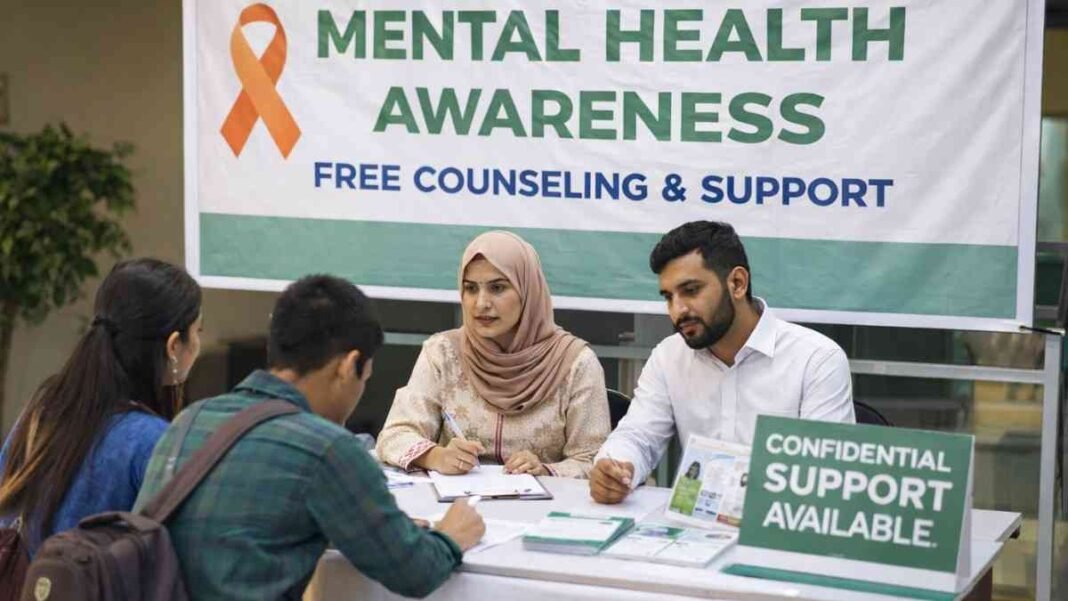
Mental Health Awareness Initiatives Expand Across Pakistan
Mental health awareness is steadily gaining momentum across Pakistan as public institutions, private organizations, and community groups increase their efforts to address emotional well-being. What was once a sensitive and rarely discussed subject is now entering mainstream conversation, signaling an important shift in national priorities.
Across major cities and smaller towns alike, mental health awareness campaigns focus on education, early intervention, and reducing stigma. Experts believe this growing attention is long overdue.
Growing Recognition of Mental Health Challenges
Pakistan has witnessed rising cases of anxiety, depression, and stress-related disorders, particularly among youth and working professionals. Academic pressure, economic uncertainty, social expectations, and digital exposure intensify emotional strain.
Health professionals emphasize that mental health directly impacts productivity, family stability, and national development. As awareness increases, more individuals recognize symptoms and seek guidance.
Common early warning signs include persistent sadness, sleep disturbance, irritability, loss of interest in daily activities, and difficulty concentrating. Recognizing these symptoms early can prevent more serious complications.
Government and Institutional Efforts
Public sector initiatives are gradually expanding mental health services in hospitals and primary healthcare centers. Training programs now help healthcare workers identify early signs of psychological distress.
Educational institutions are also playing an increasingly important role. Universities and schools are launching counseling centers and awareness seminars to provide safe spaces for students.
Parents and teachers are encouraged to observe behavioral changes in children and adolescents. Early conversations at home and in classrooms can make a significant difference.
Role of Media and Civil Society
Media platforms contribute to mental health awareness by highlighting it through talk shows, public service messages, and social campaigns. Open discussions featuring psychologists help normalize emotional well-being.
Non-governmental organizations and youth-led groups organize workshops, helplines, and online awareness drives. Many cities now offer confidential helplines where individuals can seek support without fear of judgment.
Readers are encouraged to verify credible helpline numbers in their local areas and keep them accessible for emergencies.
Workplace Mental Health Gains Attention
The corporate sector increasingly acknowledges the importance of employee well-being. Some companies offer counseling services and mental wellness sessions to reduce workplace stress.
Experts note that supportive environments improve performance and reduce burnout. Employees are advised to take regular breaks, maintain work-life balance, and communicate stress concerns early.
Simple habits like regular exercise, structured routines, and digital breaks can significantly improve emotional resilience.
Challenges That Remain
Despite progress, challenges persist. Mental health professionals remain limited, especially in rural regions. Cultural stigma still discourages many individuals from seeking help.
Affordability and accessibility of therapy services remain concerns. Expanding public awareness about low-cost or government-supported services is essential for long-term impact.
Communities must continue promoting open dialogue to reduce fear and misunderstanding.
A Changing National Conversation
The expansion of mental health awareness initiatives marks a meaningful step forward for Pakistan. Conversations that once occurred privately now take place in classrooms, workplaces, and public forums.
The growing commitment reflects a positive shift in societal attitudes. However, awareness must translate into consistent action and support systems.
Mental health awareness is no longer a silent issue. It is becoming a national priority. By recognizing warning signs, encouraging open conversations, and utilizing available support services, individuals and families can take proactive steps toward healthier lives.
The conversation has begun. Sustaining it will help shape a stronger, more resilient Pakistan.