


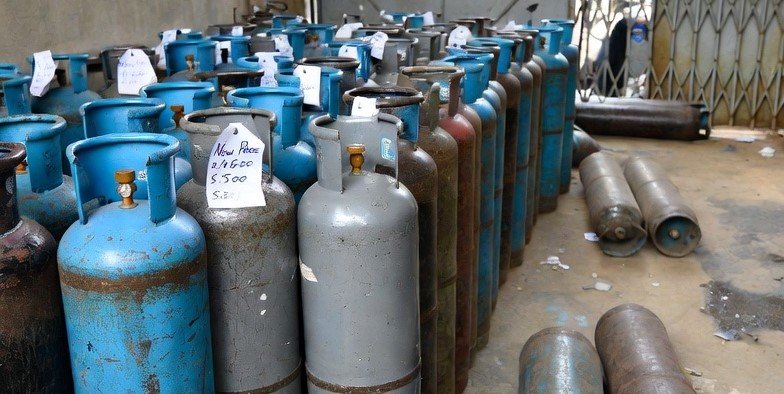
ISLAMABAD – The Oil and Gas Regulatory Authority (Ogra) on Tuesday raised Liquefied Petroleum Gas (LPG) rates by 35% for April. Households will now pay Rs924 more for an 11.8kg domestic cylinder.
Ogra set the LPG price at Rs304.15 per kg for April, up from Rs225.84 per kg in March. This pushes the total cost of an 11.8kg cylinder from Rs2,664.88 in March to Rs3,588.60 in April.
The regulator calculated that the producer price of LPG, made of 40% propane and 60% butane, increased to Rs262,817.53 per tonne. In March, it stood at Rs184,537 per tonne. The new producer price includes an excise duty of Rs85 per tonne.
For an 11.8kg cylinder, the producer price now equals Rs3,101.25, up from Rs2,177.54 in March. Ogra added the petroleum levy and 18% general sales tax (GST) in this calculation.
The final consumer price also includes marketing, distribution, and transportation margins, plus an 18% GST on these costs. The result is a maximum retail price of Rs3,588.59 for an 11.8kg cylinder, compared to Rs2,664.88 in March.
Ogra said the new prices will stay in effect until April 30.
Officials explained that global factors drove the price hike. Saudi Aramco-CP prices rose by 44% last month, while the dollar exchange rate fell slightly by 0.11%. These changes pushed the consumer price higher.
The per kg increase equals Rs78.28. Consumers will pay Rs923.71 more per 11.8kg cylinder. Millions of Pakistani households that rely on LPG for cooking will feel the impact immediately.
Experts warn that the price increase will affect household budgets and small businesses that use LPG. Rising electricity tariffs may add more pressure on families in April.
Ogra asked consumers and distributors to follow the official prices. The authority will monitor the market and act against overcharging. Consumers should check prices before buying cylinders and report irregularities to Ogra.
This 35% hike highlights the growing pressure on household energy costs. Experts predict further changes if global LPG prices remain high. Families are advised to plan their energy use carefully and adopt savings measures to reduce the impact on monthly expenses.