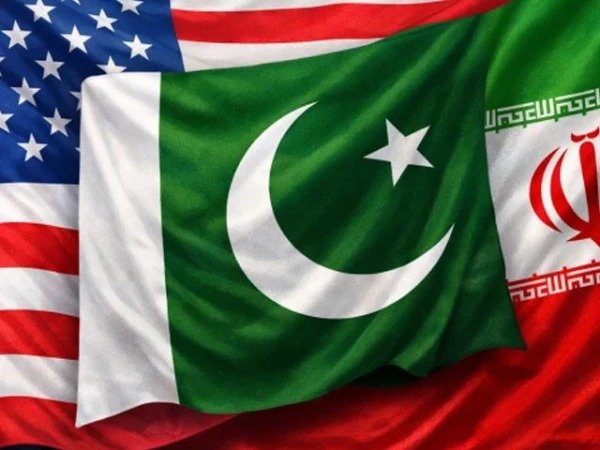
Islamabad: Pakistan has submitted a ceasefire plan to the United States and Iran in a bid to end rising tensions in the region. The proposal, informally known as the Islamabad Accord, outlines a clear framework for a temporary halt to hostilities followed by comprehensive negotiations.
According to sources, the plan calls for a 45-day ceasefire. During this period, both sides are expected to stop military actions. The plan also suggests reopening the Strait of Hormuz immediately after the ceasefire. This route is vital for global trade and oil shipments, making its reopening a priority for international markets.
The proposal includes follow-up negotiations in Islamabad. These talks are aimed at reaching a final agreement covering long-term peace measures, sanctions relief, and security assurances. Pakistani officials hope that this two-step approach will give both sides the confidence to commit to a broader deal.
Pakistani Army Chief Field Marshal Asim Munir has been actively engaged in diplomacy. He held regular consultations with U.S. officials, including Vice President J.D. Vance and special envoy Steve Whitcov, as well as Iranian Foreign Minister Abbas Araghchi. Munir shared Pakistan’s framework and coordinated the peace efforts with both parties.
Iran has confirmed receiving the plan. However, Iranian officials have expressed caution. They said the proposal is under review and emphasized that Tehran will not accept a temporary ceasefire tied to reopening the Strait of Hormuz. Officials added that Iran expects the U.S. to show readiness for a permanent ceasefire before agreeing to interim measures.
The Pakistani Foreign Office declined to comment directly on the details of the plan. Officials said only that Pakistan continues to support peace initiatives in the region and will remain engaged to reduce tensions. Islamabad’s role as a mediator highlights its strategic importance and its efforts to promote regional stability.
Analysts say the Pakistan ceasefire plan represents a significant diplomatic effort. By offering a structured approach to end hostilities, Pakistan positions itself as a neutral facilitator. If accepted, the ceasefire could reduce violence, protect civilians, and stabilize global oil prices. On the other hand, if the plan is rejected, the conflict may continue with potentially severe economic and security consequences.
Global media have labeled the proposal as the “Islamabad Accord”, noting that the immediate priority is to halt fighting and restore normal trade through the Strait of Hormuz. Analysts emphasize that success will depend on both Washington and Tehran showing flexibility and commitment to the negotiation process.
The Islamabad plan comes amid growing international concern about the conflict’s regional impact. Experts say temporary ceasefires can pave the way for longer-term peace. The plan also underscores Pakistan’s proactive role in preventing further escalation between major powers.
The next few weeks will be crucial. The 45-day ceasefire period and subsequent negotiations in Islamabad will determine whether the plan can lead to a sustainable resolution. Meanwhile, diplomats in both capitals continue to exchange views and assess the feasibility of the proposal.
The Pakistan ceasefire plan is a reminder of the country’s strategic influence in the region and its ability to act as a mediator in global conflicts. Observers worldwide are watching closely to see whether this effort will succeed in bringing peace to a volatile situation.