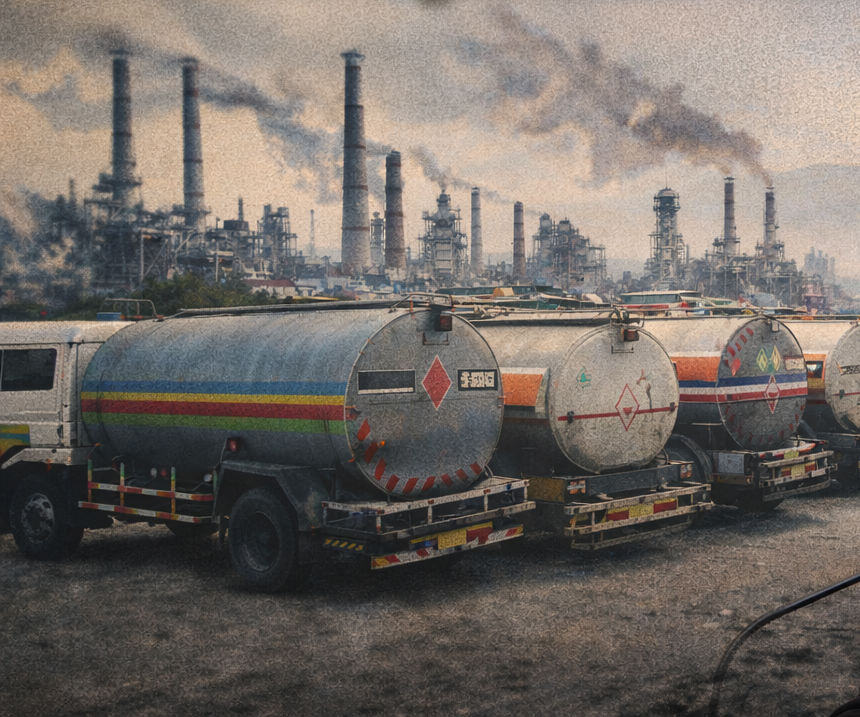
ISLAMABAD: Finance Minister Muhammad Aurangzeb on Wednesday warned of possible fuel shortage amid the US-Israel and Iran war. He stressed that Pakistan is not facing an emergency.
Speaking to the Senate Standing Committee on Finance, the minister urged citizens and industries to conserve fuel. “We are not rationing fuel because there is no shortage in the country. But the situation could worsen if the conflict continues,” he said, replying to a question from committee chairman Saleem Mandviwala.
Aurangzeb outlined Pakistan’s current fuel stocks. Petrol and diesel can last 28 days. Crude oil stocks cover 10 days. LPG and LNG are sufficient for 15 days. He added that some shipments are delayed in Qatar. To manage the shortfall of fuel , authorities are boosting production from local gas fields.
The finance ministry plans daily meetings with relevant departments to monitor all fuel shortage, availability and track global oil prices.
Pakistan has also formally requested Saudi Arabia to provide an alternative oil supply route through Yanbu. This step ensures the country’s fuel supply chain remains secure, especially after the closure of the Strait of Hormuz.
State Bank of Pakistan (SBP) Governor Jamil Ahmad warned that global oil prices could reach $100 per barrel. He said higher prices may pressure Pakistan’s external accounts.
Ahmad reassured that the country’s foreign exchange reserves remain strong at over $16 billion. He expects the reserves to reach $18 billion by June and about $20 billion by December. He clarified that the reserves grew through market purchases, not new borrowing.
“Over the past three years, the SBP purchased around $24 billion from the market. These purchases stabilised the currency and strengthened external buffers,” he said.
Ahmad highlighted Pakistan’s external debt. It increased from $55 billion to about $103 billion over time. However, the country has not taken new external loans in the past four years. Total external liabilities now stand near $138 billion.
He projected inflation to remain between 5 and 7 percent this fiscal year and the next. Yet, he cautioned that regional tensions and rising energy prices could affect domestic inflation.
Ahmad said the current account deficit is likely to stay around 1 percent of GDP. Even with rising petroleum prices, the deficit should remain within the projected limit.
Aurangzeb and Ahmad emphasised that Pakistan is taking proactive steps to manage fuel and economic stability. Citizens are encouraged to conserve fuel and stay informed about global developments.