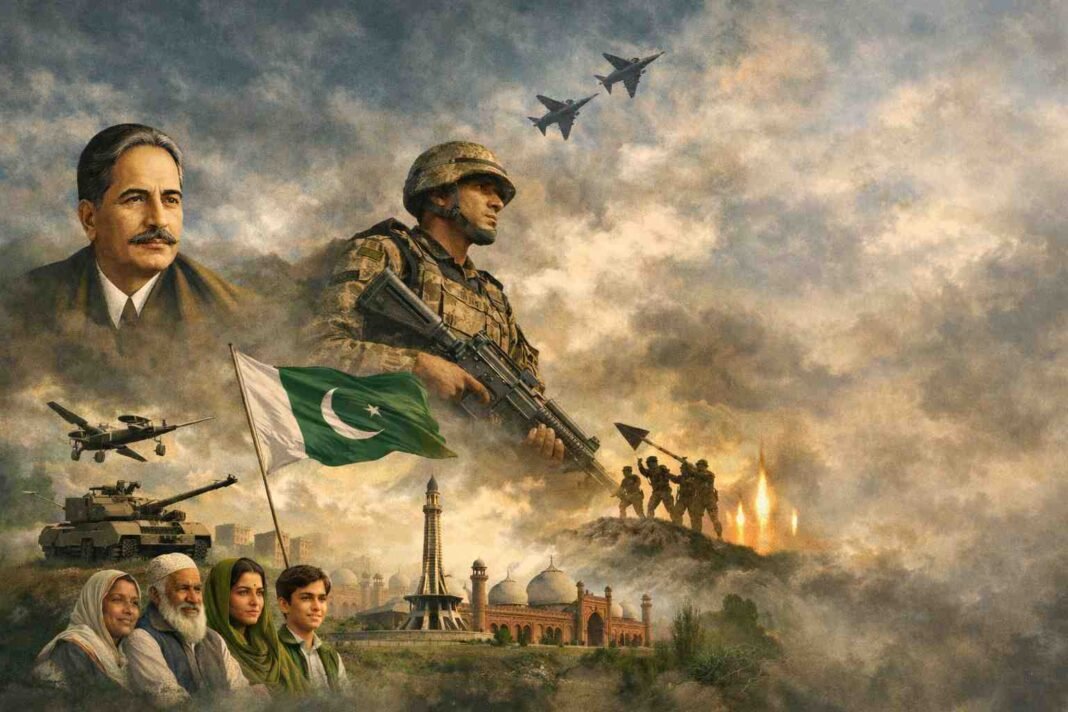
Pakistan stands at a turning point, and this moment will not wait. The region around Pakistan is shifting fast. Energy routes look uncertain. Supply chains show cracks. Even key passages like the Strait of Hormuz no longer feel fully secure. And at the center of this opportunity lies one idea: Pakistan’s Strategic Moment.
Many countries slow down in such times. However, Pakistan cannot afford hesitation. Instead, Pakistan must act with clarity and purpose. This is not just another crisis. This is a rare opening.
A World Where Geography Matters Again
Global power is changing shape. Geography has returned to the spotlight. Routes now matter more than speeches. Connectivity now defines influence.
Because of this shift, countries that enable movement will lead. They will not just react, they will control the flow. Trade, energy, and logistics will define power.
In this environment, the Pakistan Strategic Moment becomes critical.
Pakistan sits at a rare crossroads. It connects South Asia, the Gulf, Central Asia, and western China. Few countries hold this position.
However, location alone does not create power. Strategy turns geography into strength.
From Opportunity to Advantage
Pakistan has faced instability for years. Yet instability can either weaken a country or reshape it.
In the past, many states chose short-term gains over long-term gains during crises. They acted opportunistically. They chased quick benefits.
However, that path damages trust. It blocks investment. It limits long-term growth.
Pakistan must choose differently. Instead, Pakistan should step into a new role, a manager of instability.
This approach defines the true Pakistan’s Strategic Moment.
Because managing instability builds credibility, it attracts partners. It creates long-term value.
Ports and Power in Pakistan’s Strategic Moment
Pakistan already holds strong assets. However, these assets need a connection.
Karachi, Port Qasim, and Gwadar operate as separate units. Yet together, they can form a powerful network. If Pakistan links these ports, it can create a flexible trade system. This system can handle regional disruptions.
At the same time, it can offer alternative routes to global markets.
And in today’s uncertain world, alternative routes hold strategic value. That is where the Pakistan’s Strategic Moment gains real strength.
Beyond Roads: Becoming a Corridor State
Infrastructure alone does not create impact. Real value comes from systems.
The China-Pakistan Economic Corridor (CPEC) started as a major vision. And it still needs to be expanded into a full economic model.
Pakistan must move beyond being a transit route. Instead, it must become a corridor state.
This means building industries, offering global services, and creating value along the way, not just passing through.
Because of this shift, the Pakistan’s Strategic Moment can evolve into economic power.
Governance as the Backbone of Pakistan’s Strategic Moment
No strategy works without execution. Pakistan needs fast systems. It needs transparent rules and efficient logistics.
Investors trust consistency. Businesses depend on speed. Therefore, governance must improve at every level.
At the same time, policies must stay stable. Political shifts should not disrupt economic direction.
This consistency strengthens the Pakistan’s Strategic Moment.
Energy: The Real Test of Strength
Logistics define external strength. However, energy defines internal stability.
Pakistan still depends heavily on imported energy. Prices rise and fall. Supply remains uncertain. Because of this, long-term planning becomes difficult.
Projects like the Iran–Pakistan gas pipeline hold strategic importance. However, these decisions require balance.
Global pressures exist. Financial risks remain. Diplomatic concerns continue. Yet delay cannot solve these issues.
Pakistan must make calculated decisions. This is where the Pakistan Strategic Moment demands maturity.
Foreign Policy Balance in Pakistan’s Strategic Moment
The world now stands divided. Many countries choose sides. Pakistan holds a different strength balance.
It can engage with Iran, the Gulf states and can partner with China. It can maintain ties with the West. This multi-directional approach creates flexibility.
This increases relevance. Pakistan can act as a bridge, not just aligning fully with one block. And this bridge defines the true power of the Pakistan Strategic Moment.
Reliability: The New Global Power
In today’s world, reliability matters more than promises. Countries that deliver stability gain influence. Countries that fail lose relevance.
Pakistan must focus on three core strengths:
- Consistency
- Responsiveness
- Credibility
Policies must remain predictable. Systems must respond quickly. Infrastructure must work without interruption.
When Pakistan achieves this, it transforms Pakistan’s Strategic Moment into lasting influence.
Challenges That Cannot Be Ignored
Pakistan still faces real challenges. Sanctions create pressure. Institutions need strengthening. Security concerns remain. However, these challenges are not barriers; they are tests.
Countries may grow through difficult phases. Avoiding action creates greater risk. Therefore, Pakistan must move forward, as the Pakistan Strategic Moment will not wait forever.
The Future Depends on Pakistan’s Strategic Moment
The global system is changing fast. Power no longer belongs only to strong nations. It now belongs to the enabling nations.
These are countries that keep systems running even in crisis. Pakistan has this potential.
However, it must act with vision.
It must position itself as a stabilizing force, not a reactive player.
This is the essence of the Pakistan’s Strategic Moment.
Final Thought
This moment will define Pakistan’s future. It can either observe global change or shape it. It can remain a passage or become a power.
The choice is clear.
Now the question remains:
Will Pakistan act on its strategic moment, or let it pass?