Many people with diabetes hesitate to fast during Ramadan 2026. Long-term health concerns often make fasting seem risky.
However, experts say that patients with type 2 diabetes can fast safely. Proper planning and careful management make it possible. Patients need to prepare their meals, medications, and daily routines in advance. They should also monitor blood sugar levels closely.
Balanced Meals for Suhoor
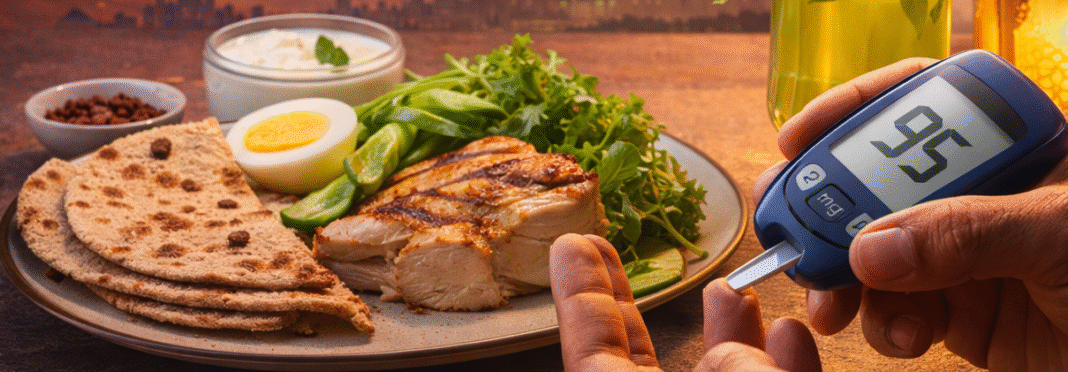
During Ramadan 2026, a nutritious suhoor is essential. Experts recommend mixing wheat and barley flour for bread. Pair it with protein-rich foods like eggs, chicken, or yogurt.
This combination provides long-lasting energy. It also prevents sudden spikes and drops in blood sugar.
Avoid Unhealthy Foods
Fried and fatty foods can increase thirst. Patients should avoid them during fasting hours.
If sweet cravings appear, choose stevia leaves instead of sugar. Dry the leaves and grind them into a powder. Use it in tea, coffee, or lemonade after iftar. This helps control sugar intake effectively.
Monitor Blood Sugar Regularly
Experts stress that checking blood sugar throughout the day is crucial. Patients should test at least three times: at suhoor, before iftar, and after iftar.
Regular monitoring helps prevent risks and ensures safe fasting during Ramadan 2026.
Healthy Choices for Iftar
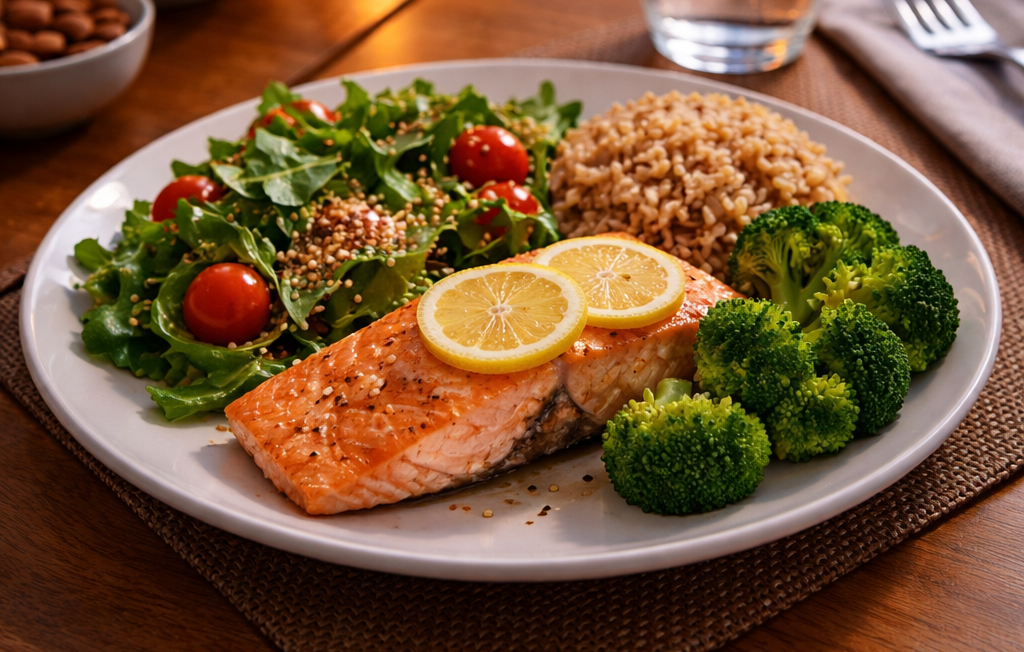
Iftar should also be balanced. Break the fast with dates or fruits in moderation. Follow with lean protein, whole grains, and fresh vegetables. Avoid fried and fatty foods, which can raise blood sugar and increase thirst.
If you want something sweet, try stevia instead of sugar. Dry stevia leaves and grind them into a powder. Add it to tea, coffee, or lemonade after iftar. This helps manage sugar intake effectively without sacrificing flavor.
Lifestyle Tips During Ramadan 2026
- Stay active with light exercises after iftar. Avoid strenuous workouts while fasting.
- Get enough sleep to help regulate blood sugar and reduce fatigue.
- Plan meals in advance to avoid overeating or skipping essential nutrients.
- Stay hydrated during non-fasting hours. Drink water and sugar-free drinks.
With preparation and care, people with diabetes can enjoy fasting during Ramadan 2026 safely. Balanced meals, proper medications, and regular monitoring are key.
Following expert advice can prevent complications and keep blood sugar stable. This allows patients to participate in the spiritual benefits of Ramadan 2026 without compromising their health.