DUBAI/TEL AVIV/WASHINGTON: US President Donald Trump announced a 10-day pause in attacks on Iran’s energy plants. He said the decision came after a request linked to ongoing talks. He added that discussions were going well despite rising tensions in the US Iran conflict.
Trump shared the update on social media. He said attacks would stop until April 6. Earlier, he warned Iran during a White House meeting. He said the US would increase pressure if Iran refused to make a deal. Later, he took a softer tone and confirmed the pause.
However, reports created confusion. Trump said Iran asked for a seven-day pause. At the same time, mediators told media outlets that Tehran did not request a 10-day halt. So far, Iran has not issued an official response. This has added uncertainty to the US Iran conflict.
An Iranian official rejected a US proposal to end the war. He called it one-sided and unfair. The proposal includes 15 points. It asks Iran to stop its nuclear programme, limit missiles, and allow control over the Strait of Hormuz. Pakistan helped pass messages between both sides during talks.
The US Iran conflict began on February 28. The United States and Israel launched strikes after nuclear talks failed. Since then, the war has killed thousands of people. It has also spread across the Middle East and damaged the global economy.
Energy markets have felt strong pressure. Oil prices have risen around 40%. Liquefied natural gas shipments to Asia have increased sharply. Fertiliser prices have also jumped by nearly 50%. These changes have affected food production and trade worldwide.
Meanwhile, Iran has continued its response. It launched missile attacks on Israel. Strikes hit cities like Tel Aviv and Haifa. Some missiles damaged homes and vehicles. Reports said one man died after a rocket attack in Nahariya.
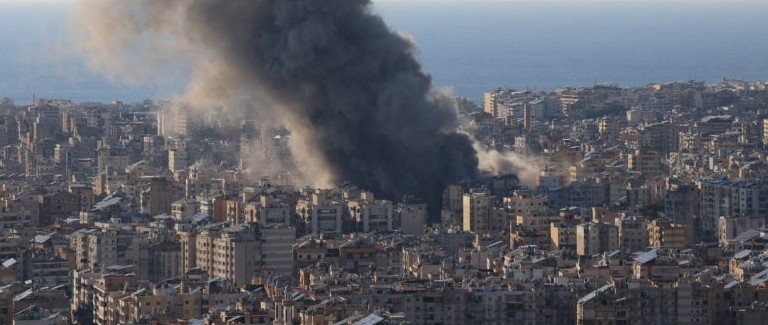
Inside Iran, attacks hit several areas. Explosions were reported in Bandar Abbas and near Shiraz. A university building in Isfahan also suffered damage. Fighting continues on multiple fronts, making the situation more complex.
The US has increased its military presence in the region. It has deployed troops and introduced drone speedboats for patrols. The Pentagon confirmed their use in active operations for the first time. These steps show rising tension in the US Iran conflict.
The Strait of Hormuz remains a key issue. Iran has disrupted shipping routes in the area. This has slowed fuel exports from the Middle East. Trump suggested Iran should allow oil tankers to pass as a goodwill gesture.
Despite ongoing talks, both sides remain far apart. Iran demands guarantees against future attacks. It also wants compensation for losses and control over the strait. In addition, it has asked to include Lebanon in any ceasefire deal.
In conclusion, the US Iran conflict continues to create global concern. While the pause in attacks offers a brief relief, fighting and uncertainty still dominate the region.