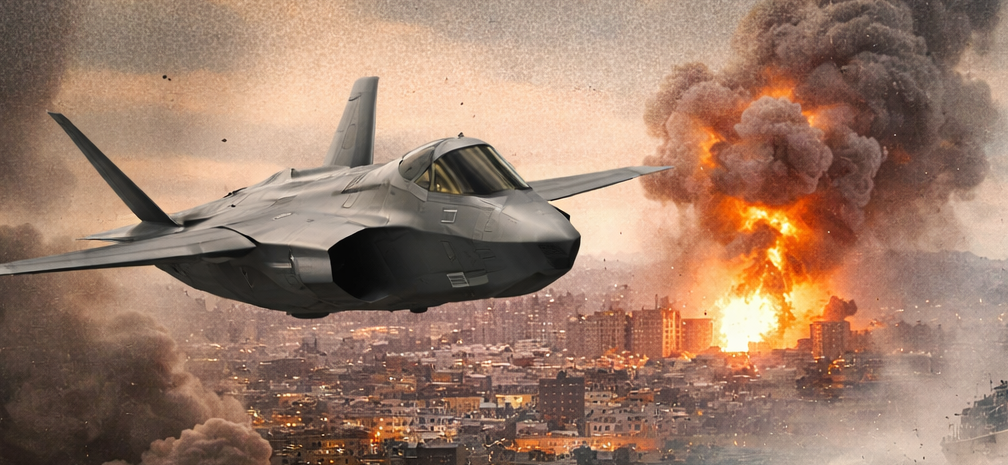
The US-Iran war 2026 has entered its fifth day, and the situation is more complex than either side expected. Early tactical gains did not translate into a strategic collapse of Iran.
The US and Israel quickly gained air dominance. They targeted Iran’s fixed air defense networks, key leadership nodes, and naval assets at pier. Despite these strikes, Iran’s decentralized defense continues to function.
In the first hours, stealth aircraft bypassed Iran’s air defenses. Bomber waves followed, hitting critical elements of the integrated air defense system. US-Israeli strikes focused on infrastructure and command centers rather than symbolic targets. The assassination of Iranian Supreme Leader Ayatollah Seyyed Ali Khamenei aimed to disrupt Iran’s top leadership.
While the decapitation succeeded, Iran maintained operational control. Its “Decentralised Mosaic Defence” (DMD) strategy spreads authority across multiple nodes. This approach preserved continuity and resilience, preventing systemic collapse.
Iran’s S300 and Bavar batteries lost most fixed radars and command centers, giving US and Israeli aircraft freedom in Iranian airspace. Precision strikes hit areas near Tehran. Meanwhile, Iran’s navy suffered significant losses, including eight vessels and the Fateh submarine.
The conflict expanded far beyond the Persian Gulf. A US submarine torpedoed the Iranian frigate IRIS Dena near Sri Lanka’s southern coast, about 75 km from Galle. This strike marks the first direct extension of the war into South Asian waters. The US coalition now signals its willingness to pursue Iranian naval assets globally.
Despite these setbacks, Iran’s decentralized system continues to coordinate military operations effectively. The US-Iran war 2026 shows that tactical victories do not guarantee strategic control. Analysts warn that the conflict may escalate further in multiple regions.
The coming days are critical. Iran’s resilience and the coalition’s global operations create uncertainty for civilians, regional powers, and international stakeholders. Air strikes, naval engagements, and strategic maneuvers will shape the war’s next phase.