

The United States has announced plans to block Chinese ships transporting Iranian oil, signaling a new escalation in tensions surrounding global energy routes and sanctions enforcement.
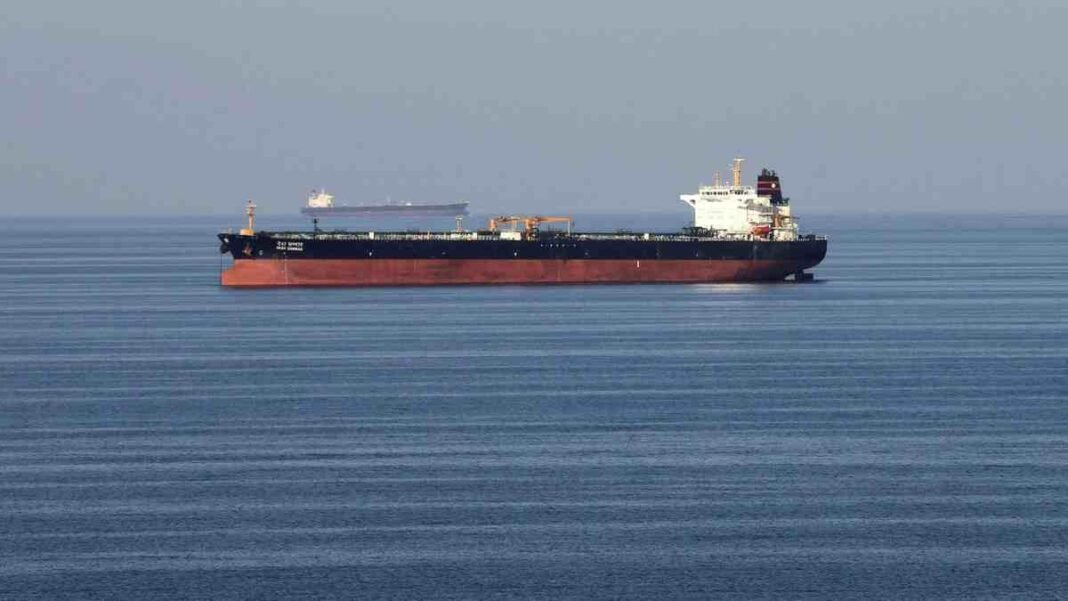
According to officials, the move targets vessels carrying oil from Iran to China through the strategically vital Strait of Hormuz. The decision reflects Washington’s efforts to tighten restrictions on Iran’s oil exports and limit revenue streams.
Officials from the United States Department of the Treasury indicated that enforcement measures may include monitoring and restricting vessels suspected of transporting sanctioned oil. The plan aims to discourage trade routes that bypass existing sanctions.
However, reports suggest that maritime traffic in the region remains active. Despite earlier claims of restrictions, several commercial vessels have continued to pass through the Strait of Hormuz, highlighting the difficulty of fully enforcing a blockade in one of the world’s busiest shipping lanes.
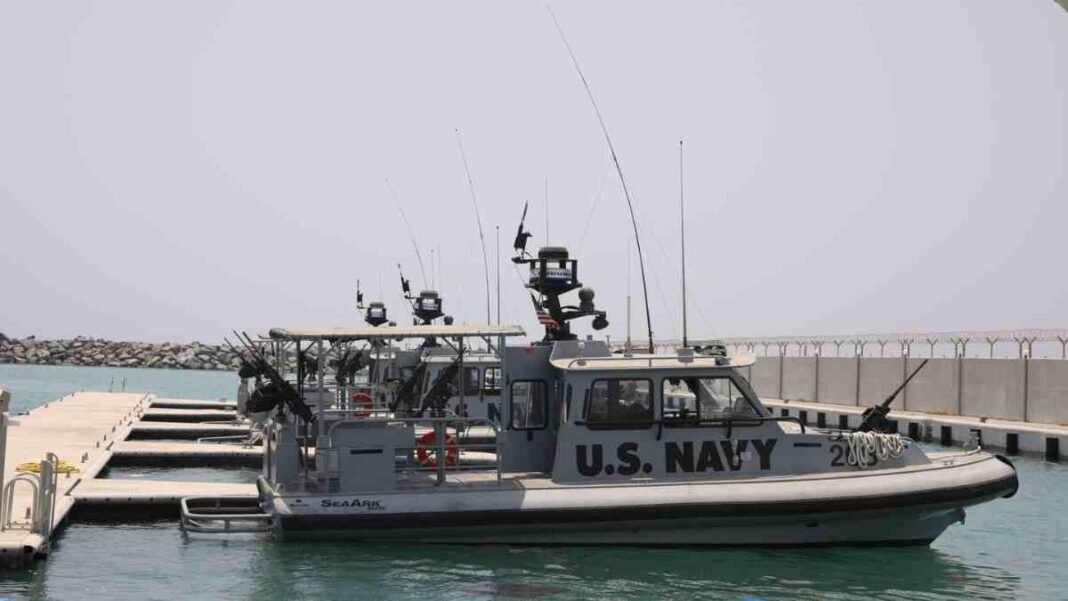
Earlier, the United States Central Command (CENTCOM) stated that multiple ships were turned back during initial operations. The command also revealed that thousands of personnel, including sailors, marines, and airmen, have been deployed to support maritime monitoring efforts.
The Strait of Hormuz carries a significant portion of the world’s oil supply, making it a critical point for global trade. Any disruption in this route can lead to increased oil prices and heightened geopolitical tensions.
Experts believe that the situation could impact international energy markets, especially if restrictions intensify or lead to broader regional instability. As developments unfold, global stakeholders continue to monitor the situation closely.
Overall, the US plan to block Chinese ships carrying Iranian oil underscores ongoing geopolitical challenges and the growing complexity of energy security in the region.