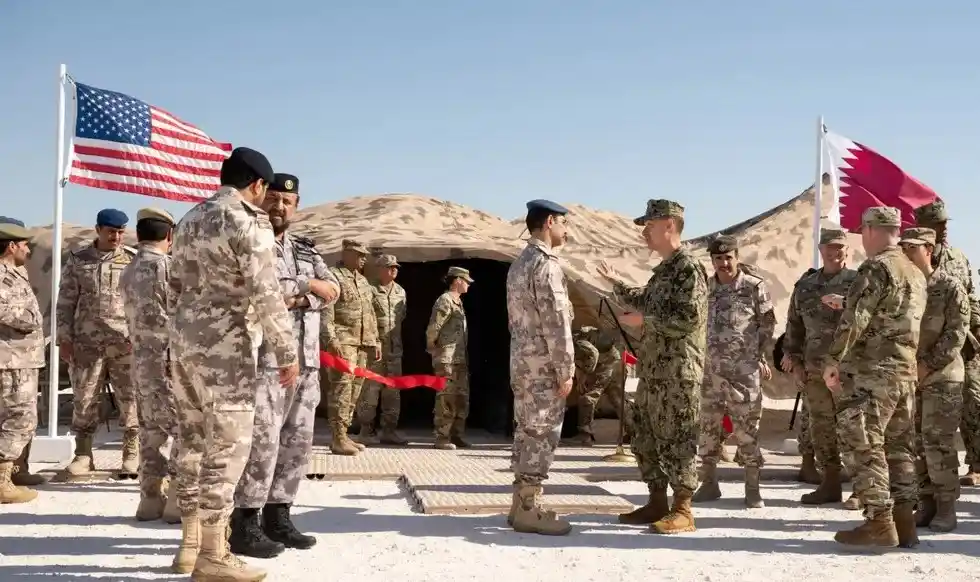
The US troop movement in the Gulf has raised fresh concerns across the region. Reports confirm that the United States has not fully withdrawn its forces. Instead, officials have adjusted deployments due to rising tensions.
Recent developments indicate that the troop movement involves repositioning rather than a complete withdrawal. Military officials say they are shifting troops to safer and more strategic locations. This step aims to reduce risks during the ongoing crisis.
The American troop movement comes amid growing tensions with Iran. Attacks and threats in the region have increased uncertainty. As a result, the US has taken precautionary steps to protect its personnel and assets.
Officials clarified that this movement is part of a broader strategy. They want to maintain readiness while avoiding unnecessary exposure. This approach allows forces to respond quickly if the situation escalates.
At the same time, the this movement includes strengthening positions in key areas. Some units have moved to nearby bases with stronger defenses. Others remain active in the region to ensure a continued presence.
Experts believe the US troop movement reflects tactical planning, not retreat. They argue that the US is balancing security and operational needs. The goal is to stay prepared without increasing direct conflict risks.
Meanwhile, Gulf countries continue to monitor these movements closely. Regional allies remain in coordination with US forces. They share concerns about stability and maritime security.
The Pentagon has not announced any full withdrawal. Instead, the movement highlights a flexible military approach. This strategy focuses on safety, readiness, and rapid response.
Overall, the situation remains tense. However, the US troop movement signals caution rather than escalation.