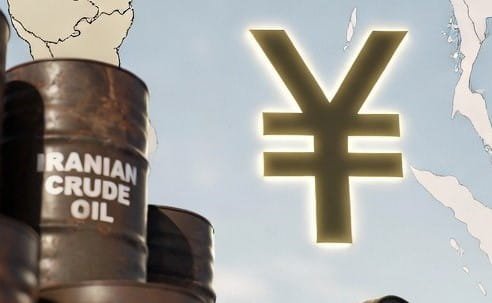
India has made a major shift in its oil trade strategy. The country is now buying Iranian oil and paying in Chinese currency instead of the US dollar. This move is gaining global attention.
According to a report by Reuters, Indian oil refineries have started making payments in Chinese yuan. This change comes during a temporary relief period given by the United States.
The report states that the US allowed a 30-day waiver last month. This waiver permitted countries to buy oil from Iran and Russia. The goal was to control rising global oil prices during ongoing geopolitical tensions.
Under this window, Indian refiners moved quickly. They purchased Iranian crude oil and changed the payment method. Instead of dollars, they used Chinese yuan for transactions.
Sources revealed that payments are being processed through ICICI Bank. The bank is handling transactions via its Shanghai branch. From there, payments are transferred in yuan to Iranian sellers.
This India Iran oil development shows how countries are adjusting to sanctions. Iran has faced US sanctions for many years. These restrictions made it difficult for buyers to pay through traditional systems.
As a result, many countries avoided Iranian oil. However, this new payment method is helping reduce some of those barriers. It provides an alternative route for trade.
In early April, India made a significant purchase. The state-owned Indian Oil Corporation bought around 2 million barrels of Iranian crude. The deal was worth nearly $200 million. This marks India’s first official purchase of Iranian oil in about seven years.
At the same time, private sector activity also increased. The Reliance Industries refinery received shipments of Iranian oil. Reports say four tankers were allowed to dock at ports for unloading.
Experts believe this step could impact global trade patterns. Moving away from the dollar may encourage other countries to explore similar options. It also highlights China’s growing role in global finance.
However, the situation remains complex. The US waiver is temporary. Future policies may change depending on political and economic conditions.
Still, this India Iran oil move reflects a clear trend. Countries are looking for flexible ways to manage trade under sanctions. Currency diversification is becoming more common.
If such practices continue, they could reshape how global oil markets operate. For now, all eyes remain on how long this arrangement will last and whether other nations will follow.