The growing tension between Iran and Israel is no longer limited to land and air. Now, experts warn that the Iran Israel war internet blackout threat could impact millions of users worldwide. This risk may reach people far beyond the conflict zone, even those sitting thousands of miles away.
The global internet depends heavily on a hidden network. Around 99 percent of international data travels through undersea fiber optic cables. These cables lie deep under oceans and connect continents. They carry everything from emails and video calls to banking transactions.
However, a large portion of this data passes through sensitive مناطق like the Persian Gulf, Strait of Hormuz, and Red Sea. These routes have now become high-risk zones due to the ongoing conflict. This is why the Iran Israel war internet blackout concern is gaining global attention.
If these undersea cables get damaged, the impact could be serious. Damage may happen due to naval mines, ship anchors, or even deliberate sabotage. As a result, internet traffic would need to reroute through longer and more complex paths. This would slow down speeds and increase delays.
In some cases, entire regions may face outages. Even countries far from the Middle East could experience disruptions. This makes the Iran Israel war internet blackout a truly global threat, not just a regional issue.
The Red Sea plays a critical role in global connectivity. It acts like a digital highway between Asia and Europe. Around 15 to 17 major cables pass through this region. These cables connect major economies and support daily digital operations.
Even a single cable cut can disrupt services across continents. That is why experts call this route the backbone of global digital infrastructure. If multiple cables are damaged, the effects could multiply quickly.
Another major concern is repair delay. Fixing undersea cables is not easy. It requires special ships known as cable repair vessels. These ships carry advanced tools and skilled teams. They locate the damage and fix it deep under water.
But in a war situation, access becomes difficult. Dangerous waters and military activity can block these repair ships. This creates a serious problem. Without timely repairs, outages can last for weeks or even months.
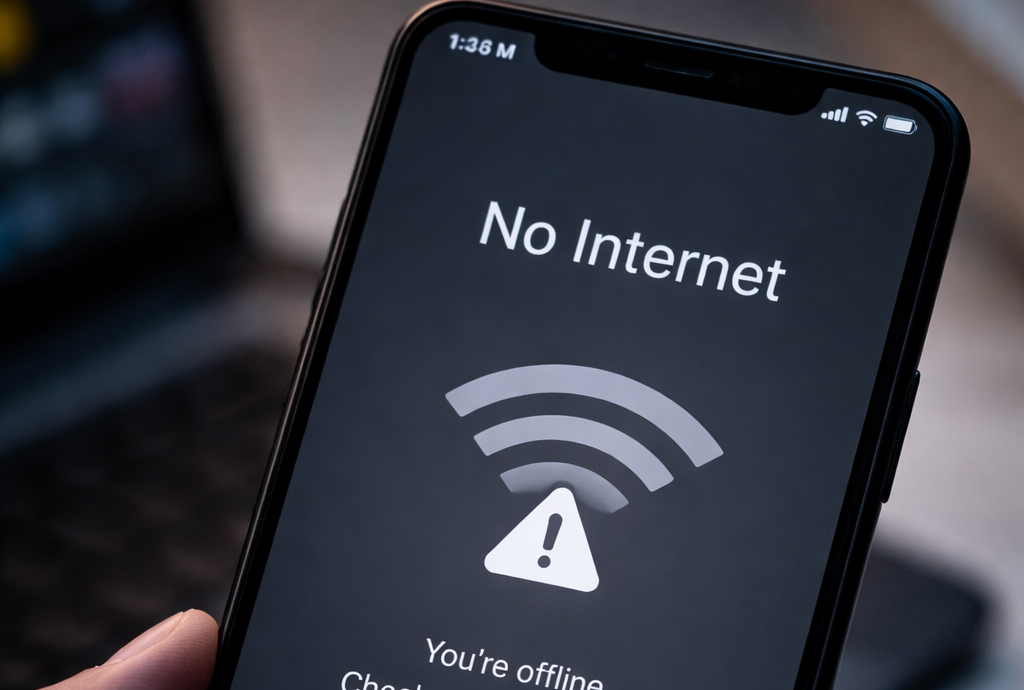
This is where the Iran Israel war internet blackout risk becomes more alarming. A prolonged disruption would affect more than just social media apps. Platforms like WhatsApp and YouTube may stop working in affected regions.
Moreover, the impact could spread to critical systems. Global banking networks rely on fast and secure data transfer. Stock markets depend on real-time updates. Cloud computing services power businesses worldwide.
If the infrastructure stays down for long, financial systems may slow or even freeze. Companies could lose access to their data. Online services may stop working. This could lead to economic losses on a large scale.
In addition, communication during emergencies would become harder. Governments and organizations rely on stable internet for coordination. A blackout could delay responses and increase risks.
Despite these dangers, experts say there are backup routes. Some data can travel through alternative cables or satellites. However, these backups have limits. They cannot fully replace the capacity of major undersea networks.
As tensions continue, global attention is shifting toward digital security. Governments and tech companies are closely monitoring the situation. They are also working on improving network resilience.
Still, the risk remains real. The Iran Israel war internet blackout scenario shows how modern conflicts can affect everyday life in unexpected ways. It highlights the fragile nature of global connectivity.
In a world that depends on instant communication, even a small disruption can have big consequences. Therefore, protecting undersea cables has now become a top priority for many countries.
The coming days will be crucial. If the conflict escalates further, the digital impact may become unavoidable. For now, the world watches closely as both geopolitical and technological risks continue to rise.