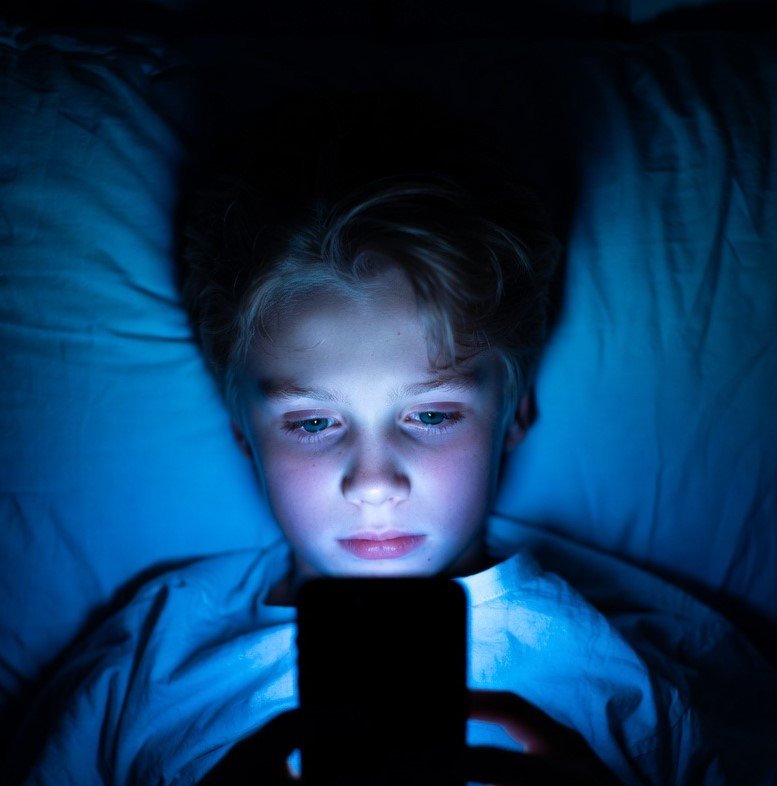
For years, people have blamed blue light from phones and tablets for poor sleep. However, new research shows the issue may not be as serious as many believe.
Back in 2014, a widely discussed study linked nighttime screen use to sleep problems. Participants who used an iPad before bed took longer to fall asleep and felt more tired the next morning. The study also found reduced levels of melatonin, the hormone that helps regulate sleep.
Since then, the fear around blue light has grown. Many people started limiting screen time at night, assuming it directly harms sleep quality.
Recent findings, however, tell a more detailed story. Thomas Germain reviewed multiple studies and found that everyday exposure to screen light does not have the same effect as controlled lab experiments.
At the same time, Jamie Zeitzer from Stanford University pointed out an important issue. He explained that earlier research created confusion because people misunderstood how the results apply to real life.
In lab settings, participants often stay in very dim light all day. Later, researchers expose them to bright light at night, which naturally disrupts their sleep cycle. This setup is very different from normal daily routines.
In real-world conditions, the light from modern devices is quite weak. Some studies even suggest that a full day of screen exposure equals only a minute of natural sunlight outdoors.
Another popular solution, blue light blocking glasses, may not be as helpful as advertised. Research shows they do not significantly improve sleep in most cases.
What seems to matter more is daily light exposure. Getting enough sunlight during the day helps regulate the body’s circadian rhythm. When this rhythm stays balanced, the body handles evening screen use more easily.
A healthier approach focuses on simple habits. Spend time outdoors, keep a regular sleep schedule, and avoid overstimulation before bed.
Blue light is not completely harmless, but it is not the main reason behind sleep problems either. Daily routines and lifestyle choices play a much bigger role.