


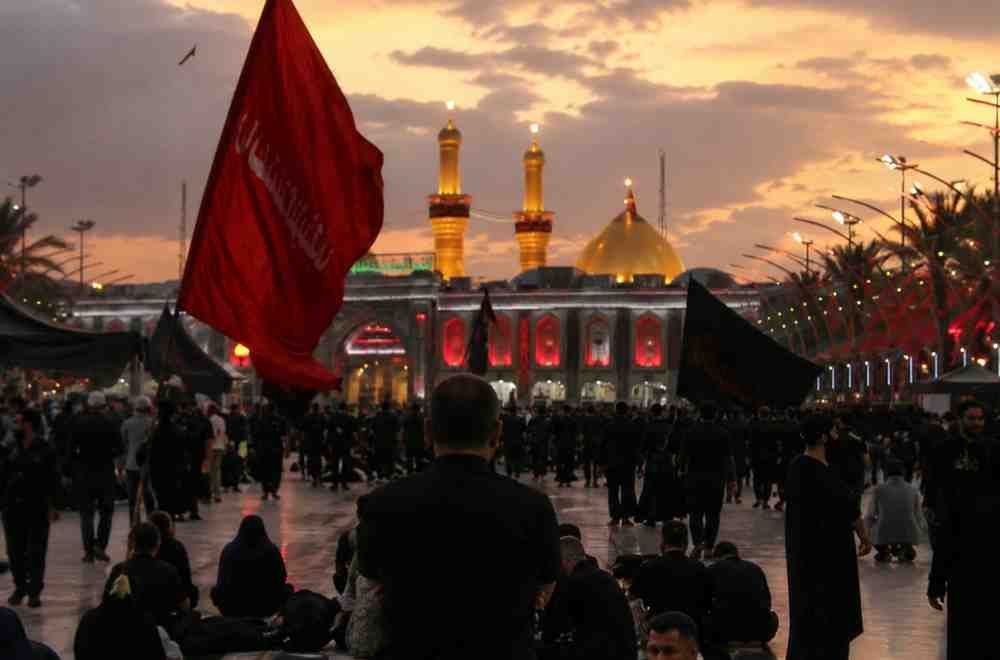
Muharram opens the Islamic lunar year with a call to reflection, restraint, and moral renewal. Among its days, the 9th and 10th Muharram carry a depth of history that continues to move hearts across the Muslim world.
These dates bring together remembrance, worship, grief, gratitude, and a renewed commitment to truth. They invite Muslims to look beyond ceremony and ask what courage, loyalty, justice, and compassion require in daily life.
Muslims call the ninth day Tasua and the tenth day Ashura. Shia Muslims observe these days with solemn mourning for Imam Husayn ibn Ali, the beloved grandson of Prophet Muhammad ﷺ, his family, and his companions at Karbala.
Sunni Muslims also give Ashura religious importance through voluntary fasting and remembrance of Prophet Musa علیہ السلام. Therefore, the days hold deep meaning for Muslims, even though communities express that meaning through different spiritual practices.
Why 9th and 10th Muharram Hold a Special Place
Muharram stands among Islam’s sacred months, calling believers to avoid injustice and strengthen their relationship with Allah. The 9th and 10th Muharram give that wider sacredness a powerful human story through the events of Karbala.
In 61 AH, Imam Husayn refused to accept an allegiance that he believed would compromise Islamic values. He traveled from Makkah toward Kufa with members of his family and a small group of supporters, hoping to protect the moral spirit of Islam.
The journey ended on the plain of Karbala in present-day Iraq. On Ashura, Umayyad forces killed Imam Husayn and many members of his small group after a siege that inflicted immense hardship on the camp.
Karbala did not become important because of military power or numbers. It became timeless because Imam Husayn chose principle over safety, dignity over submission, and truth over personal advantage.
Tasua carries its own emotional weight in Shia remembrance. It marks the eve of Ashura, when the camp of Imam Husayn faced the certainty of a brutal confrontation.
The night teaches a quiet but demanding lesson. Faith does not remove fear, yet it gives people the strength to act with integrity even as fear surrounds them.
9th and 10th Muharram and the Message of Karbala
The 9th and 10th of Muharram do not ask people to mourn only a past tragedy. They ask every generation to recognize injustice, refuse cruelty, and stand beside those who suffer.
Imam Husayn’s stand did not depend on wealth, an army, or political influence. Instead, he defended a moral boundary and showed that a believer must not trade conscience for comfort.
This message matters whenever power demands silence from ordinary people. It matters when communities ignore people with low incomes, when leaders break trust, or when people watch wrongdoing without speaking against it.
Karbala also carries a message of loyalty. Hazrat Abbas ibn Ali, Hazrat Zainab bint Ali, Imam Husayn’s companions, and the surviving members of his family each represent courage under enormous pressure.
Hazrat Zainab carried the message of Karbala after the tragedy. Her strength reminds readers that courage is not limited to the battlefield; it also belongs to those who protect the truth through speech, patience, and service.
The story also protects the place of compassion in public life. It directs believers to care for hungry families, comfort grieving people, defend children, and treat opponents with human dignity.
How 9th and 10th Muharram Can Shape Our Lives
For Shia communities, the 9th and 10th Muharram often include majalis, processions, elegies, charity, and acts of service. These gatherings keep the memory of Karbala alive and strengthen bonds with the Ahl al-Bayt.
For many Sunni Muslims, Ashura includes voluntary fasting, prayer, charity, and reflection. Hadith collections report that the Prophet Muhammad ﷺ fasted on Ashura and encouraged its observance. At the same time, reports also mention his intention to fast on the ninth day in a later year.
Muslims can respect both streams of devotion without turning sacred days into an argument. A mature response begins with knowledge, speaks with good manners, and honors the love that Muslims share for the Prophet’s family.
Families can make these days meaningful through simple actions. Parents can tell children the story of Karbala in age-appropriate language, focusing on honesty, bravery, kindness, and the duty to resist bullying.
Young people can turn the message into service. They can donate blood where health authorities allow it, arrange water for travelers, support food drives, visit a grieving neighbor, or contribute to a trustworthy charity.
Communities can also protect the dignity of mourning by keeping roads safe, helping emergency services, and avoiding hate speech. Respectful gatherings reflect the very values that Karbala teaches.
The 9th and 10th Muharram also call people to examine their own choices. Each person can ask, “Do I speak honestly when a lie offers an easier path?” Do I support someone who faces unfair treatment? Do I use my influence to bring relief or harm?
Such questions turn remembrance into personal reform. They keep Karbala from becoming only a historical event and make it a living guide for character.
A Legacy That Calls Us to Act
The 9th and 10th Muharram remind the Muslim world that numbers do not define truth. A person with conviction can challenge oppression, protect human dignity, and leave a moral legacy that outlives every worldly power.
These days also teach balance. Grief can deepen empathy, faith can strengthen resilience, and memory can inspire responsible action.
As Muharram reaches its most solemn moments, the message of Karbala remains clear. Choose justice over convenience, hold fast to truth, show mercy to others, and never accept wrongdoing as normal.
That is why the 9th and 10th Muharram still speak so powerfully to every generation. They keep the sacrifice of Imam Husayn alive while also calling each person to live with courage, conscience, and compassion.