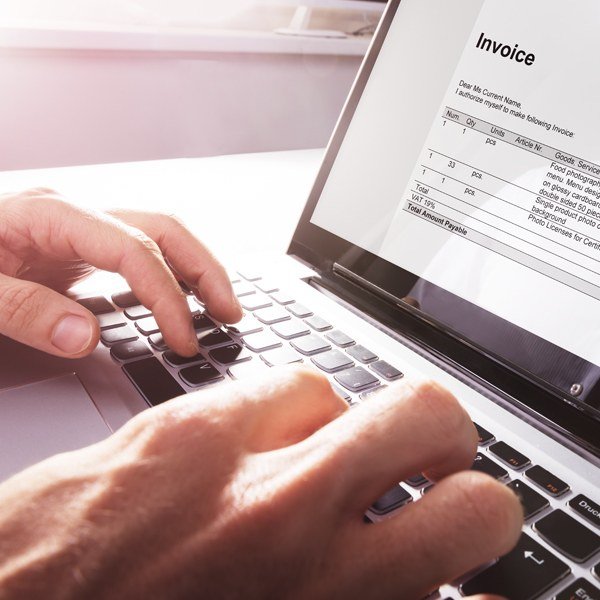
Freelance Invoicing and Payment Tools: A 2026 Guide
Late payments are the freelancer’s oldest enemy. The right invoicing and payment setup gets you paid faster and with less chasing. This 2026 guide covers invoices, methods, fees and reminders.
What every invoice must include
Every invoice needs your name and contact details, the client’s details, a unique invoice number, the issue date and a clear due date. Above all, itemize the work: what you did, the rate, and the total.
Add your payment details and terms on every invoice. For example, “Net 14” means payment is due within 14 days. Clear terms prevent the most common payment disputes.
Pick the right invoicing tool
In fact, free invoicing apps cover unlimited invoices, templates and basic tracking. Paid tools add time tracking, expense management and deeper reports. Match the tool to your volume.
Look for recurring invoices if you bill retainers. Automatic reminders are worth their weight in gold. Indeed, polite automated nudges collect payments that manual follow-ups miss.
Compare payment methods and their fees
Card payments cost roughly 2.9% plus a small fixed fee per transaction. For example, on a $1,000 invoice, that is about $29. Bank transfers typically cost around 1%, or about $10 on the same invoice. Digital wallets fall somewhere in between.
Wire transfers suit large invoices but carry flat fees of $25 to $50 per side. Indeed, that flat fee crushes small invoices. Consequently, steer small clients toward cards or bank transfers and reserve wires for big payments.
Offer the method your client prefers
The cheapest method is not always the fastest-paid. However, some clients pay instantly by card but sit on bank transfers for weeks. Speed often beats a 2% fee saving.
Put a payment link or button directly on the invoice. Every extra step loses payments. In addition, offer two methods when possible, so a client with a blocked card still has a path to pay.
Set terms that protect you
In fact, short payment terms get money in faster: 7 or 14 days beats 30. For new clients, ask for a deposit of 30 to 50% before work starts. Deposits filter out unserious clients immediately.
State a late fee in your terms, such as a small monthly percentage. You may rarely enforce it. However, its presence on the invoice speeds up payment all by itself.
Automate reminders and follow-ups
Send a friendly reminder the day before the due date. Subsequently, follow up three days after it passes. Escalate to a firm note at two weeks overdue. Most late payments are forgetfulness, not malice.
Above all, keep every follow-up polite and factual. Above all, never start new work for a client with an overdue invoice. That single rule ends most payment problems.
Track everything for tax time
Your invoicing tool should export income reports by month and client. Reconcile payments against invoices monthly. Finally, set aside a share of each payment for taxes the day it arrives.
The bottom line
Freelancers get paid faster with clear invoices, payment links, short terms, and automated reminders. Compare method fees, offer what clients actually use, and never work past an overdue invoice. Indeed, good systems beat good luck.