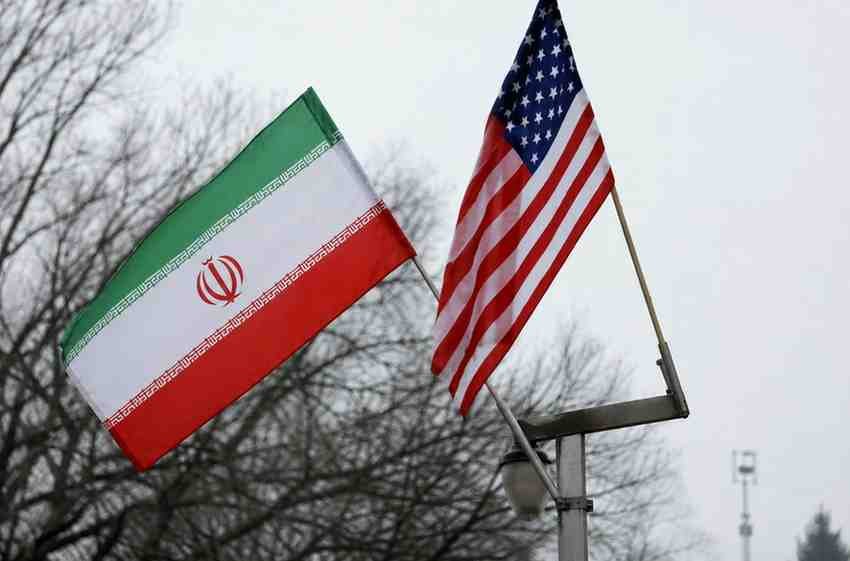
WASHINGTON: The United States has announced the complete removal of restrictions on Iranian maritime access after the signing of the Islamabad Memorandum between Washington and Tehran. The move marks a significant step in implementing the agreement and signals a reduction in tensions across the Gulf region.
According to a statement from the United States Central Command (CENTCOM), American forces have ended all operational measures that previously restricted access to Iranian ports and coastal facilities. The decision came after directives from US President Donald Trump and follows commitments made under the newly signed diplomatic framework.
The development has drawn international attention because maritime trade routes in the Gulf play a critical role in global energy supplies and regional commerce. As a result, shipping companies, energy markets, and regional governments continue to monitor the situation closely.
CENTCOM stated that the Iranian Ports Blockade no longer exists and that vessels can travel to and from Iranian ports without facing restrictions from US naval forces. The command also confirmed that commercial shipping traffic may continue normal operations through key waterways connected to Iran’s maritime network.
Meanwhile, US officials emphasized that the decision reflects confidence in the commitments outlined in the Islamabad Memorandum. They noted that both sides have taken steps to reduce tensions and support stability in the region. Furthermore, officials described the agreement as an important opportunity to strengthen diplomatic engagement after a period of uncertainty.
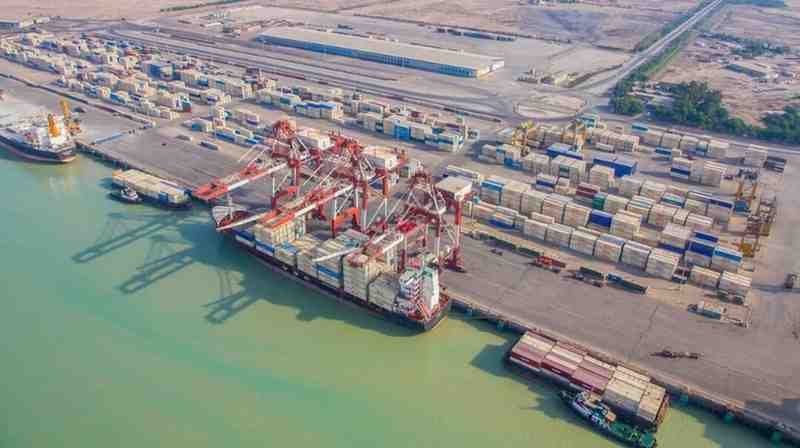
The removal of the Iranian Ports Blockade could provide economic relief for Iran by improving access to international shipping routes. Analysts believe that easier maritime access facilitates trade, supports imports and exports. It improves the movement of goods through Iranian ports located along the Gulf coastline.
CENTCOM also clarified that American naval assets will continue to operate in the broader Gulf region. However, officials explained that these deployments aim to monitor regional security conditions and support freedom of navigation.
The command added that US forces will remain present in the general operational area until authorities confirm full compliance with the terms of the agreement. At the same time, officials stressed that vessels traveling through the Arabian Gulf and the Gulf of Oman currently face no interference related to the former Iranian Ports Blockade.
Regional governments have welcomed efforts that lower the risk of confrontation in one of the world’s most important maritime corridors. The Gulf region handles a significant share of global energy exports, and any disruption often affects international markets. Consequently, policymakers continue to watch developments closely.
The end of the Iranian Ports Blockade represents one of the first major outcomes linked to the Islamabad Memorandum. While challenges remain, both sides have signaled their intention to maintain dialogue and avoid actions that could undermine the agreement.
For now, maritime traffic around Iranian ports continues without restrictions, and international observers view the decision. As a notable step toward regional stability, economic activity, and improved diplomatic relations between the parties involved.