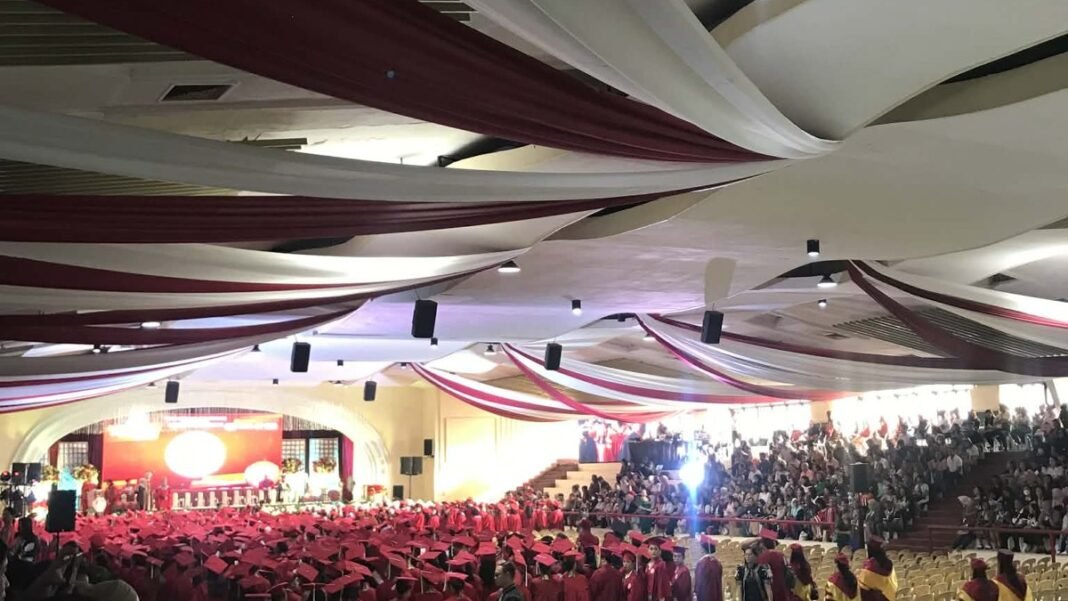
In short: Pakistan is full of educated young people, but many struggle to find opportunities to use their abilities. Unemployment, financial difficulties, lack of experience and unequal access to resources prevent many young people from achieving their goals. This article explores why talent alone is not enough, and why Pakistan needs to create opportunities for its younger generation.
In today's world, young people are considered one of the strengths of any nation. They bring ideas, creativity, energy and the desire to build a better future. Pakistan is home to millions of young individuals who dream of becoming successful professionals, starting businesses and making a positive difference in society. However, despite their abilities and ambitions, many of them face a question: what is the value of talent when there is no opportunity to prove it?
For young Pakistanis, the journey towards success is not as simple as completing an education and finding a job. Behind every degree there is often a struggle that people do not see. Some students work hard for years only to discover that the opportunities they hoped for are limited. Others have skills and creative ideas, but lack the financial support, guidance or professional connections needed to move forward.
The Growing Challenge of Youth Unemployment
One of the problems facing young people in Pakistan is unemployment. Every year, universities produce thousands of graduates who enter the job market with hopes of building their careers. Unfortunately, finding employment remains difficult for many of them.
A common problem is that employers often demand experience even for entry-level positions. This creates confusion for graduates who are ready to work but have not yet received an opportunity to gain experience. They are expected to have experience before getting a job, but without a job, gaining that experience becomes difficult.
This situation can affect people's confidence and motivation. After spending years studying and preparing for their future, many begin to question whether their education will actually help them achieve their dreams.
Talent Should Not Depend on Financial Background
Another major challenge is the difference between the opportunities available to students from different financial backgrounds. Not every talented student has access to universities, professional courses, modern technology or career development programmes.
Students from well-off families may have more opportunities to attend training programmes, learn new skills and build professional networks. Meanwhile, talented students from low-income families often struggle to access the same resources.
This does not mean that students from privileged backgrounds lack ability or ambition. In many cases, others simply have fewer opportunities to demonstrate what they can do.
A person's financial background should not decide how far their talent can take them. Every young individual deserves a chance to learn, grow and succeed.
The Struggle of Young People Beyond Big Cities
Opportunities are also not equally available across the country. Students living in cities may have better access to universities, internships, career counselling and professional training.
However, young people living in towns and rural areas often face additional difficulties. Limited educational facilities, fewer employment opportunities and a lack of career guidance can make it harder for them to achieve their goals.
Pakistan has talented individuals in every city, village and community. However, talent cannot grow properly when the resources and opportunities needed to develop it are unavailable.
Providing opportunities across different regions should therefore become an important part of national development.
Education Is Not Enough Without Skills
Education plays an important role in shaping the future of young people, but academic qualifications alone cannot guarantee professional success.
Many students complete their degrees without gaining practical experience or workplace skills. They may understand concepts but struggle when they enter professional environments.
Educational institutions should focus not only on examinations and grades but also on communication, critical thinking, creativity, teamwork and practical learning.
Internships, workshops, career counselling and skill-development programmes can help students prepare for working environments. Education should prepare people for life, not simply help them pass examinations.
Creating Opportunities for the Next Generation
The challenges faced by young Pakistanis cannot be solved through individual effort alone. Government institutions, universities and private organisations all have a role to play.
More employment opportunities should be created for graduates. Professional training programmes should be made accessible to students from all financial backgrounds. Universities should develop connections with industries so that students can gain practical experience before completing their degrees.
Young entrepreneurs should also receive encouragement through training, financial assistance and mentorship. Supporting businesses and innovative ideas can create new employment opportunities for others as well.
Importantly, young people should be judged on their abilities, dedication and potential rather than their financial background or personal connections.
The Future Depends on Giving Talent a Chance
Pakistan's generation has the ability to contribute to the country's development in education, technology, healthcare, business, arts and many other fields. However, these contributions cannot reach their potential without proper support and opportunities.
Young people are not simply looking for success. They are looking for a chance to work hard, gain experience and build something meaningful. They want their education and abilities to have value in a society where opportunities are often difficult to find.
A country cannot progress by leaving its generation behind. Recognising people's abilities is important, but creating opportunities for them is even more important.
Pakistan does not lack talent; it lacks opportunities to turn that talent into success.
Frequently Asked Questions
Why do talented young people in Pakistan struggle to find jobs?
Many young people face unemployment because of limited job opportunities, high competition, lack of professional experience and a gap between academic education and workplace requirements.
How does financial background affect people's opportunities?
Students from disadvantaged families may struggle to afford higher education, professional courses, technology and training programmes, making it difficult for them to compete equally.
What can educational institutions do to support people?
Universities and colleges can provide internships, practical training, career counselling, workshops and industry connections to help students develop skills.
How can Pakistan create opportunities for its youth?
Pakistan can support young people by creating employment opportunities, improving educational facilities, encouraging entrepreneurship and providing equal access to professional development.
Related reading on Feature Pakistan: The Silent Crisis of Mental Health in Pakistan, Ignored Too Long by Farwa Amir and The Silent Crisis of Mental Health in Pakistan, Ignored Too Long by Farwa Amir.
The views expressed in this article are the writer’s own and do not necessarily reflect the editorial policy of Feature Pakistan.