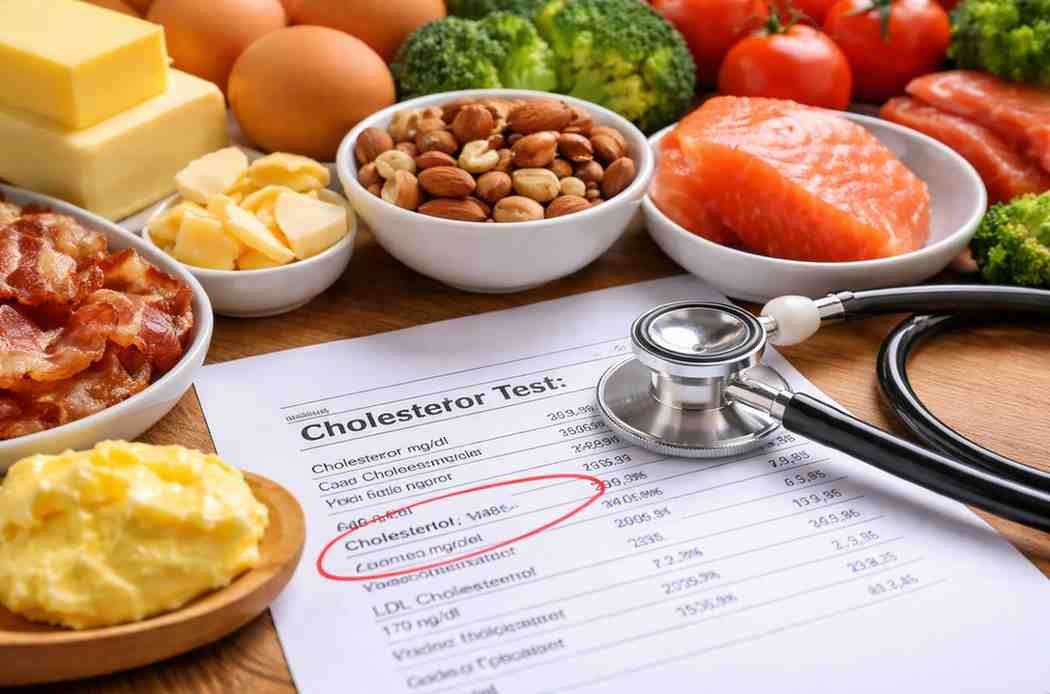
High cholesterol level is one of the most common health problems worldwide. Many people live with it for years without noticing any symptoms. However, high cholesterol can quietly damage your blood vessels and increase the risk of a heart attack.
Understanding how it affects your body can help you protect your heart. With the right lifestyle choices and medical care, you can reduce your risk and stay healthy.
What Is High Cholesterol?
Cholesterol is a waxy substance found in your blood. Your body needs it to build healthy cells and produce hormones. The liver naturally produces cholesterol, but you also get it from foods such as meat, eggs, and dairy products.
Problems start when cholesterol levels become too high. Doctors usually measure two main types of cholesterol:
LDL cholesterol – often called “bad cholesterol.” It can build up inside the arteries and block blood flow.
HDL cholesterol – known as “good cholesterol.” It helps remove excess cholesterol from the bloodstream.
When LDL levels rise and HDL levels drop, the risk of complications from high cholesterol increases.
How High Cholesterol Level Leads to Heart Attack
High cholesterol damages arteries over time. LDL cholesterol sticks to the inner walls of blood vessels and forms fatty deposits called plaque.
This process is known as atherosclerosis.
Plaque buildup narrows the arteries. This reduces blood flow to important organs, especially the heart. If a plaque suddenly breaks, a blood clot can form. The clot can completely block the artery.
When the heart muscle stops receiving oxygen-rich blood, a heart attack occurs. Many people do not realize they have high cholesterol level until this serious event happens.
Common Causes of High Cholesterol level
Several factors can increase the chance of developing high cholesterol level. An unhealthy diet is a major cause. Foods rich in saturated fats and trans fats can raise LDL cholesterol levels.
Lack of physical activity also contributes to high cholesterol. When you do not exercise regularly, your body struggles to regulate blood fat levels.
Other common causes include:
- Obesity
- Smoking
- Diabetes
- High blood pressure
- Genetics or family history
Age also plays a role. Cholesterol levels often rise as people grow older.
Warning Signs People Often Miss
High cholesterol level usually does not cause clear symptoms. Many people feel completely healthy while the problem slowly develops.
However, some warning signs may appear when arteries become severely blocked.
Possible signs include:
- Chest pain
- Shortness of breath
- Fatigue during physical activity
- Pain in the neck, jaw, or arms
These symptoms can indicate reduced blood flow to the heart. Doctors often recommend regular blood tests to detect high cholesterol level before it causes serious damage.
Healthy Cholesterol Levels
Doctors measure cholesterol through a simple blood test called a lipid profile.
General guidelines include:
- Total cholesterol: less than 200 mg/dL
- LDL cholesterol: less than 100 mg/dL
- HDL cholesterol: 40 mg/dL or higher for men, 50 mg/dL or higher for women
Higher numbers increase the risk of high cholesterol complications and heart disease.
If your levels exceed these limits, doctors may recommend lifestyle changes or medication.
Effective Ways to Lower High Cholesterol level
The good news is that high cholesterol can often be controlled with simple daily habits.
Improve Your Diet
Healthy eating plays a major role in lowering cholesterol. Certain foods are especially valued for this, including soaked fenugreek seeds, a traditional choice believed to help keep cholesterol in check.
Choose foods that support heart health:
- Vegetables and fruits
- Whole grains
- Nuts and seeds
- Olive oil
- Fatty fish such as salmon
Limit foods that increase cholesterol, including fried foods, processed snacks, and red meat.
Reducing sugar intake can also help improve cholesterol balance.
Exercise Regularly
Physical activity improves heart health and helps manage high cholesterol level. Doctors recommend at least 30 minutes of moderate exercise five days a week.
Walking, cycling, swimming, or jogging can raise HDL cholesterol and reduce LDL levels.
Even small lifestyle changes, such as taking the stairs or walking after meals, can help.
Maintain a Healthy Weight
Excess body fat increases cholesterol levels. Losing even a small amount of weight can improve cholesterol balance and reduce heart disease risk.
Healthy eating and regular exercise work best together for long-term weight control.
Quit Smoking
Smoking damages blood vessels and lowers HDL cholesterol. When people quit smoking, cholesterol levels often improve, and heart disease risk decreases.
Limit Alcohol Intake
Too much alcohol can increase cholesterol and blood pressure. Doctors suggest moderate consumption or avoiding alcohol altogether for better heart health.
Medical Treatment for High Cholesterol level
Sometimes lifestyle changes are not enough to control high cholesterol. Doctors may prescribe medications called statins.
Statins help reduce LDL cholesterol and protect arteries from plaque buildup. Other medications may include cholesterol absorption inhibitors or injectable drugs for severe cases. Doctors usually combine medication with healthy lifestyle habits for the best results.
Why Early Detection Matters
High cholesterol is often called a “silent condition.” Many people do not realize they have it until serious heart problems appear.
Regular health checkups can detect high cholesterol early. Blood tests allow doctors to monitor cholesterol levels and recommend treatment before complications develop.
Adults should check their high cholesterol levels every few years. People with risk factors may need more frequent tests.
Protect Your Heart Starting Today
High cholesterol level does not mean a heart attack is inevitable. Many people successfully control their cholesterol through healthy habits and proper medical care.
Eating a balanced diet, staying active, maintaining a healthy weight, and avoiding smoking can dramatically reduce the risk of heart disease.
By understanding the dangers of high cholesterol and taking preventive steps, you can protect your heart and enjoy a healthier future.