WASHINGTON: Tensions in the Middle East are rising quickly as American intervention in Iran becomes the center of global attention.
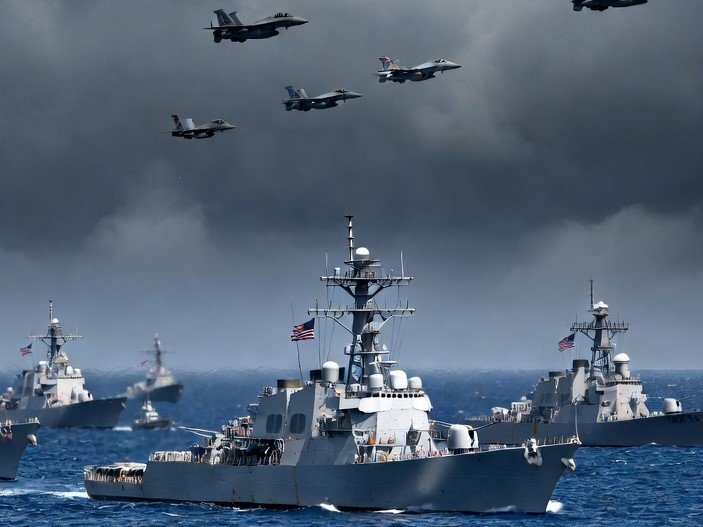
The crisis began after the United States and Israel launched major military operations targeting Iranian military sites and missile facilities. Washington says the campaign aims to weaken Iran’s missile network and stop its nuclear ambitions.
American intervention in Iran has already pushed the region toward a wider confrontation. Iran responded with missile and drone attacks across the region, targeting U.S. bases and allied locations in several Middle Eastern countries.
The conflict has quickly turned into a geopolitical challenge for the entire Islamic world. Many Muslim-majority countries now face pressure to choose sides as tensions between Tehran and Washington grow.
American intervention in Iran also comes after months of economic pressure on Tehran. U.S. sanctions on Iranian oil exports and banking access reduced the flow of foreign currency into the country. As a result, Iran’s currency sharply lost value and inflation surged, sparking protests in several cities.
The demonstrations, which began in late December 2025, reflected growing public frustration over rising prices and economic hardship. Iranian authorities later moved to suppress the protests and arrested several activists.
Meanwhile, Washington argues that its actions are necessary to stop Iran from developing nuclear weapons and expanding its influence in the region. U.S. officials say the military campaign targets missile facilities, naval assets, and other strategic infrastructure.
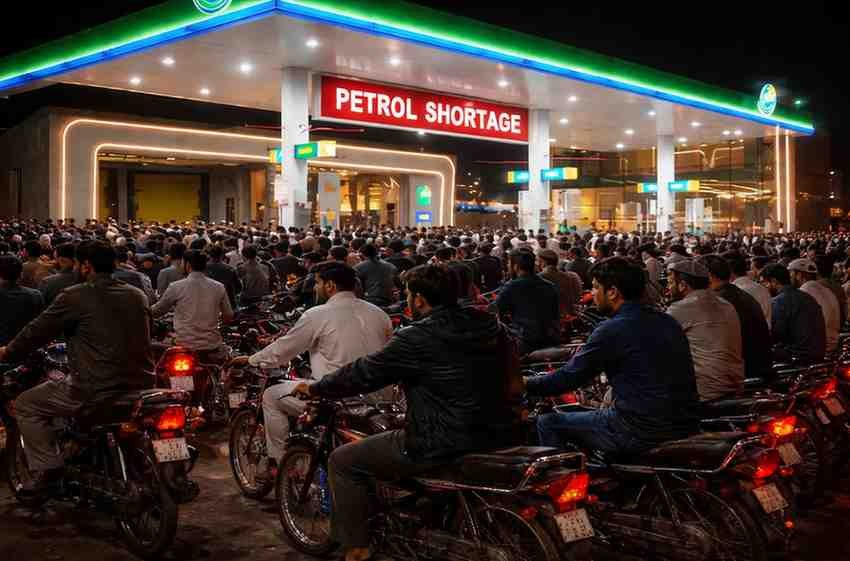
However, analysts warn that American intervention in Iran could trigger serious consequences for the global economy. Iran has repeatedly threatened to close the Strait of Hormuz, a critical route for global oil shipments. Any disruption there could push energy prices sharply higher.
The situation also raises fears of a broader regional war. Iran’s allies and proxy groups across the Middle East could become involved if the conflict escalates further.
For many countries in the Islamic world, the crisis represents a difficult test. Governments must balance political pressure, economic interests, and regional stability while responding to growing tensions between Washington and Tehran.
Observers say the coming weeks will determine whether diplomacy can still prevent a wider conflict. If tensions continue to rise, the consequences may extend far beyond Iran and the United States.