For years, discussions around green technology were often treated as idealistic conversations linked to environmental activists, climate conferences, and long-term sustainability goals. Many governments and businesses viewed green investment as expensive, unrealistic, or secondary to economic growth.
That perception is now changing rapidly.
Today, green technology is no longer only about protecting the environment. It is increasingly becoming a matter of economic realism, energy security, industrial competitiveness, and long-term survival.
Before understanding why this shift matters, it is important to understand the meaning behind these two terms.
What Is Green Tech?
Green tech, also known as green technology, refers to environmentally friendly technologies designed to reduce pollution, conserve resources, improve energy efficiency, and support long-term sustainability.
In simple words, green tech means using innovation and technology in ways that are safer for both people and the environment.
Common examples include:
- solar panels
- wind energy systems
- electric vehicles
- sustainable public transport
- water recycling systems
- energy-efficient buildings
- smart electricity grids
The purpose of green technology is not only environmental protection. It also helps countries reduce fuel dependency, lower long-term energy costs, and build more sustainable economies.
What Is Economic Realism?
Economic realism refers to making practical economic decisions based on financial realities, available resources, long-term stability, and future risks instead of short-term political promises or idealistic thinking.
In simple terms, economic realism means understanding what is financially sustainable in the real world.
For example, countries facing fuel shortages, rising electricity demand, inflation, and climate disasters cannot continue relying entirely on outdated systems without eventually facing economic pressure.
This is where green tech and economic realism begin connecting with each other.
The global economy is increasingly recognizing that environmental sustainability is no longer separate from economic stability.
The World Is Investing Where the Future Exists
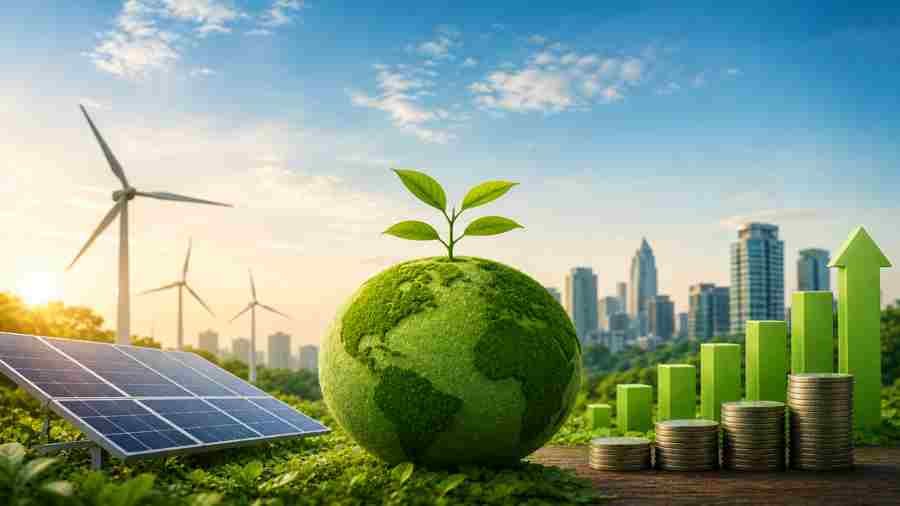
Major economies are now investing billions into renewable energy, electric transportation, clean manufacturing, and sustainable infrastructure.
According to the International Energy Agency (IEA), global clean energy investment continues growing at a historic pace as countries reduce dependence on fossil fuels and prepare for future energy demands.
This transition is not happening simply because governments suddenly became environmentally conscious.
It is happening because traditional economic systems are becoming increasingly expensive and unstable.
Rising fuel prices, climate disasters, energy insecurity, and growing environmental costs are forcing countries to rethink how economies operate. Green technology is now being viewed less as an environmental experiment and more as a long-term financial strategy.
The countries investing in renewable energy today are also investing in future industrial control.
Pakistan’s Energy and Resource Crisis
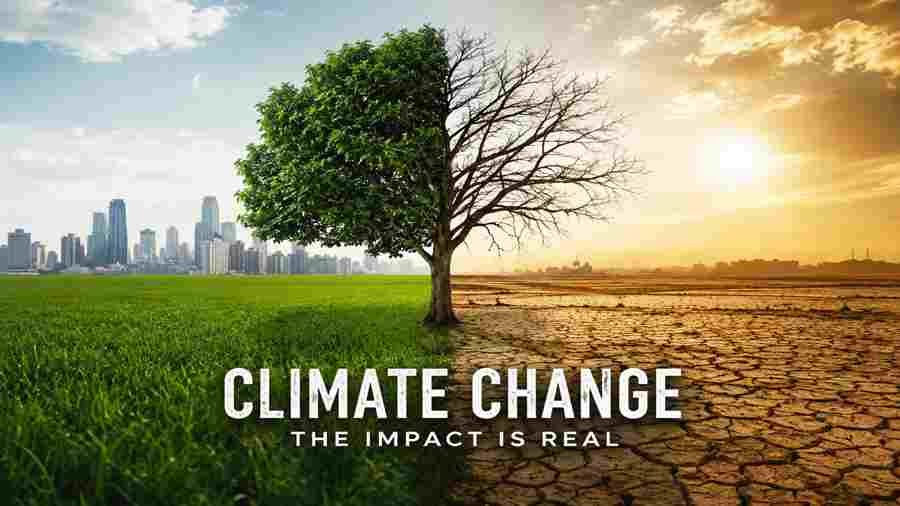
Pakistan’s environmental challenges are no longer separate from its economic problems. Rising fuel prices, electricity shortages, water scarcity, and climate-related disasters are now creating direct pressure on businesses, households, and public infrastructure.
Every major heatwave increases electricity demand beyond capacity. Floods continue damaging roads, agriculture, and local economies. Urban pollution affects public health, while fuel dependency keeps transportation and industrial costs unstable.
According to the National Disaster Management Authority (NDMA) Pakistan, recurring environmental disasters continue affecting vulnerable communities and weakening economic resilience across different regions of the country.
Similarly, the Pakistan Meteorological Department (PMD) has repeatedly warned about rising temperatures and worsening heatwave conditions in several cities.
These pressures are gradually exposing the limits of outdated infrastructure and unsustainable energy systems.
For many developing economies, environmental instability is now becoming an economic burden that can no longer be ignored.
Why Pakistan Needs Smarter Long-Term Planning
One of the biggest weaknesses in developing economies is the habit of treating long-term problems with short-term solutions.
Temporary relief measures may reduce immediate pressure, but they rarely address the deeper structural issues connected to energy management, urban expansion, water conservation, and environmental sustainability.
Pakistan now needs policies focused not only on economic growth, but also on long-term resilience.
Investment in renewable energy, efficient public transport, sustainable housing, climate-resilient infrastructure, and modern irrigation systems can reduce future economic pressure significantly over time.
Educational institutions, local governments, businesses, and media platforms also have an important role in building environmental awareness and encouraging responsible resource use.
Sustainable planning does not mean slowing economic growth.
It means building systems capable of surviving future environmental and economic challenges without creating deeper instability for the next generation.
Technology Alone Is Not Enough
Another important reality often ignored in climate discussions is that technology itself cannot solve environmental problems without responsible governance and public awareness.
A country can import solar panels and electric vehicles, but poor urban planning, corruption, weak institutions, and policy inconsistency can still limit progress.
Sustainable development requires coordination between governments, businesses, educational institutions, and local communities.
Public awareness also matters.
Simple behavioral changes such as reducing electricity waste, conserving water, supporting cleaner transportation, and adopting energy-efficient systems can collectively reduce environmental pressure over time.
Green technology works best when societies themselves begin adapting to changing realities.
Sustainability Is Becoming a Financial Strategy
The global transition toward green technology will not happen at the same speed everywhere. Some countries already possess advanced infrastructure and financial capacity, while others continue struggling with energy shortages, inflation, and limited resources.
Despite these differences, one reality is becoming increasingly difficult to ignore: future economic stability will depend heavily on how efficiently countries manage energy, resources, and environmental pressure.
Nations investing in renewable energy, sustainable infrastructure, and efficient resource systems today are not only responding to climate concerns. They are also preparing their economies for long-term resilience and lower operational risk.
For developing countries like Pakistan, this transition is no longer simply about environmental responsibility. It is becoming part of economic survival itself.
Rising fuel prices, electricity instability, water shortages, and climate-related disasters continue placing pressure on national economies. Without sustainable planning, these challenges may become even more expensive and difficult to manage in the coming years.
Green technology alone cannot solve every economic problem. However, smarter energy systems, sustainable urban planning, water conservation, and climate-resilient infrastructure can reduce long-term pressure on public resources and improve national stability over time.
The future economy will likely favor countries that prepare early instead of reacting late.
Because in a rapidly changing world, sustainability is no longer only an environmental goal.
It is increasingly becoming a practical economic strategy.