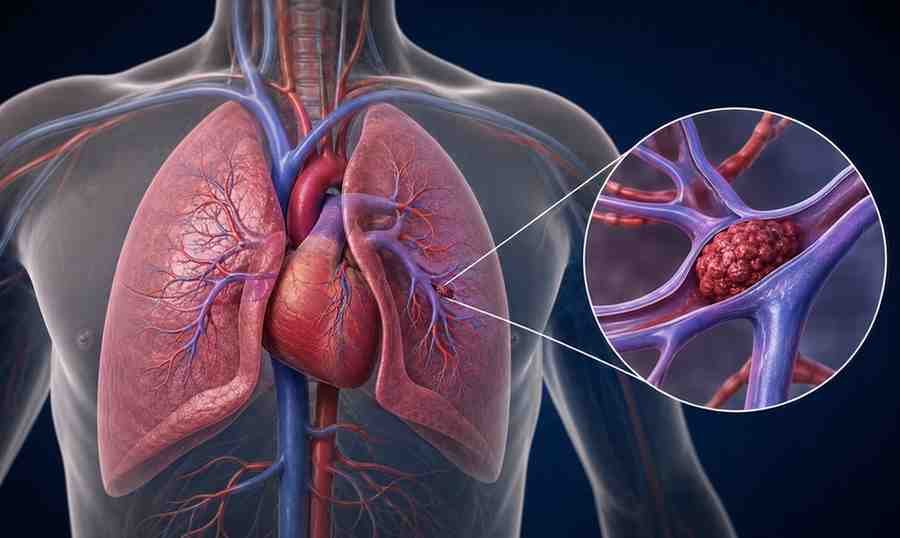
Pulmonary embolism is a life-threatening condition that occurs when a blood clot blocks an artery in the lungs. In most cases, the clot starts in the legs and then travels to the lungs through the bloodstream. Doctors call this condition deep vein thrombosis before the clot reaches the lungs.
Many people ignore early warning signs because the symptoms can appear suddenly. However, quick diagnosis and treatment can save lives. Therefore, understanding the symptoms of pulmonary embolism is extremely important for people of all ages.
This condition can reduce oxygen levels in the body and place severe pressure on the heart. In serious cases, it can cause sudden collapse or death within minutes.
Pulmonary Embolism Symptoms You Should Never Ignore
Doctors consider early diagnosis critical because pulmonary embolism symptoms can worsen very quickly. Some symptoms appear mildly at first. However, the condition can become dangerous within a short time.
The most common symptoms include:
- Sudden shortness of breath
- Sharp chest pain
- Rapid heartbeat
- Dizziness
- Excessive sweating
- Coughing blood
- Anxiety or restlessness
- Fainting episodes
Many patients confuse chest pain with heartburn or muscle pain. However, pulmonary embolism pain usually worsens with deep breathing, coughing, or movement.
In addition, some patients experience swelling or pain in one leg before lung symptoms appear. This often signals deep vein thrombosis, which can lead to pulmonary embolism if doctors do not treat it early.
What Causes Pulmonary Embolism Symptoms?
Blood clots are usually the main cause of pulmonary embolism; the clot forms in the deep veins of the legs. Later, the clot travels upward and blocks blood flow in the lungs.
Several risk factors increase the chances of developing blood clots. These include:
Long Periods of Inactivity
Long flights, bed rest, or prolonged sitting can slow blood circulation. As a result, blood may clot more easily in the legs.
Surgery and Hospitalization
Major surgeries increase the risk of clotting because patients remain inactive for long periods. In addition, surgery can damage blood vessels and trigger clot formation.
Smoking Causes Pulmonary Embolism
Smoking damages blood vessels and increases the risk of clotting. Therefore, smokers face a higher risk of severe lung and heart complications.
Obesity and Pulmonary Embolism
Excess body weight places extra pressure on veins and reduces healthy blood circulation. Consequently, obesity increases the risk of clot formation.
Cancer and Chronic Illness
Some cancers and medical treatments can increase the risk of blood clots. Similarly, heart disease and chronic lung disease can worsen complications.
Hormonal Medicines
Birth control pills and hormone replacement therapies can increase clotting risk, especially in smokers or older adults.
How Doctors Diagnose Pulmonary Embolism
Doctors use several medical tests to confirm pulmonary embolism. First, they examine the patient’s symptoms, breathing, oxygen levels, and heart rate.
After that, doctors may order imaging scans and blood tests.
Common diagnostic tests include:
- CT pulmonary angiography
- Chest X-rays
- Blood oxygen testing
- D-dimer blood test
- Ultrasound of leg veins
- ECG for heart monitoring
Doctors often act quickly when they suspect severe pulmonary embolism symptoms because delayed treatment can increase the risk of death.
Why Pulmonary Embolism Can Become Fatal
Pulmonary embolism blocks blood flow inside the lungs. Consequently, the lungs cannot supply the body with enough oxygen. At the same time, the heart must work harder to pump blood through blocked arteries.
Large clots can suddenly stop blood circulation. Therefore, some patients collapse without warning.
Even smaller clots can damage lung tissue over time if doctors do not treat the condition properly. Repeated clots may also cause permanent lung pressure problems known as pulmonary hypertension.
Because of these risks, emergency treatment remains essential.
Treatment Options for Pulmonary Embolism
Doctors usually begin treatment immediately after diagnosis. The main goal is to stop the clot from growing and prevent new clots from forming.
Blood Thinners
Doctors commonly prescribe anticoagulant medicines, also called blood thinners. These medicines reduce the blood’s ability to clot.
Patients may need blood thinners for several months, depending on their condition.
Clot-Dissolving Medicines
In severe cases, doctors may use thrombolytic drugs to break down dangerous clots quickly. However, these medicines carry a risk of bleeding and require careful monitoring.
Surgery or Catheter Procedures
Some patients require emergency procedures to remove large pulmonary clots. Doctors may use catheter-based treatment or surgery in life-threatening situations.
Oxygen Support
Doctors often provide oxygen therapy to patients struggling with breathing problems caused by blocked lung arteries.
How to Reduce the Risk of Pulmonary Embolism Symptoms
Doctors encourage prevention because blood clots can develop silently. Fortunately, several lifestyle changes can reduce the risk.
Stay Physically Active
Regular movement improves blood circulation. Therefore, people should avoid sitting for very long periods.
During travel, experts recommend walking every few hours and stretching the legs frequently.
Drink Enough Water
Dehydration thickens the blood and increases the risk of clotting. Consequently, drinking enough water helps maintain healthy circulation.
Maintain a Healthy Weight
Weight control reduces pressure on blood vessels and improves heart health.
Quit Smoking
Smoking damages arteries and increases the risk of clotting. Therefore, quitting smoking greatly benefits lung and cardiovascular health.
Follow Medical Advice After Surgery
Doctors often recommend compression stockings or blood-thinning medicines after surgery. Following these instructions significantly reduces the risk of clotting.
Who Faces the Highest Risk?
Although pulmonary embolism can affect anyone, some groups face higher risk levels.
These include:
- Older adults
- Pregnant women
- Cancer patients
- Smokers
- Obese individuals
- Patients with clotting disorders
- People with a family history of blood clots
People in these categories should pay close attention to the symptoms of pulmonary embolism and seek medical help immediately if any warning signs appear.
When Should You Seek Emergency Help?
Immediate medical care is necessary if symptoms suddenly appear.
Seek emergency help if you experience:
- Sudden breathing difficulty
- Sharp chest pain
- Fainting
- Blue lips or skin
- Severe dizziness
- Coughing blood
Early treatment can prevent severe complications and improve survival.
Final Thoughts on Pulmonary Embolism Symptoms
Pulmonary embolism remains one of the most dangerous medical emergencies linked to blood clots. However, early diagnosis and proper treatment can save lives.
Many people ignore warning signs until the condition becomes severe. Therefore, understanding the symptoms of pulmonary embolism can help people recognize danger early and seek urgent care.
Doctors also stress the importance of prevention through movement, hydration, smoking cessation, and regular medical checkups. Even simple lifestyle changes can significantly reduce the risk of clotting.
Most importantly, never ignore sudden chest pain or breathing problems. Fast medical attention can make the difference between recovery and a life-threatening emergency.