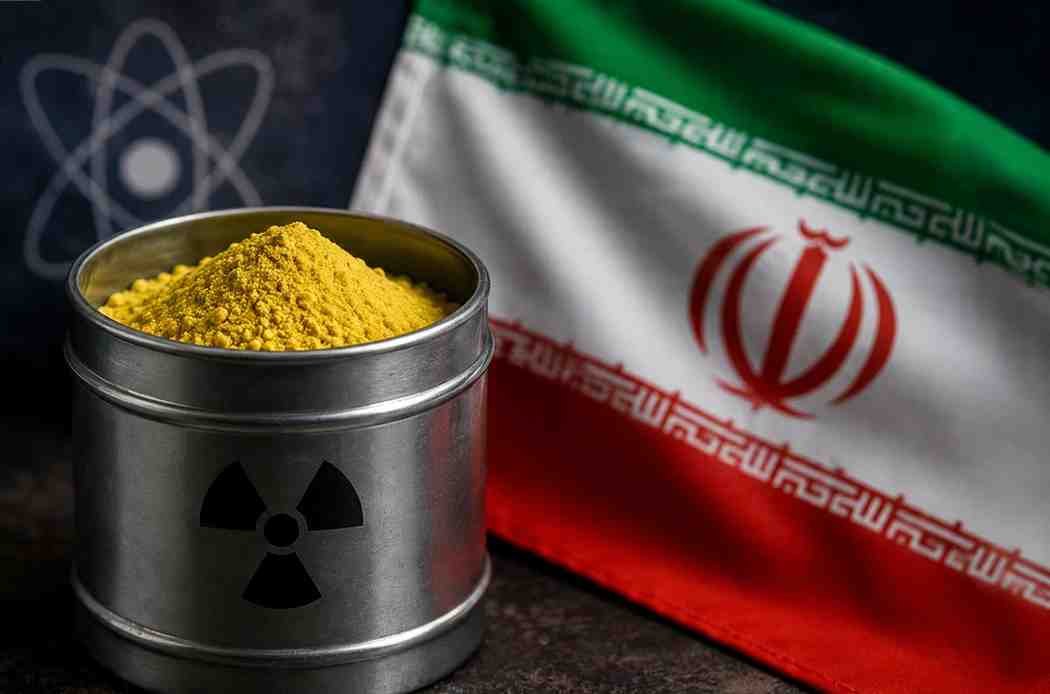
Iran has taken a tougher stance on its nuclear policy after the country’s Supreme Leader ordered officials not to send enriched uranium outside the country. The latest decision has increased tensions in ongoing diplomatic talks between Tehran and Washington. The development has also raised concerns about the future of regional stability and nuclear negotiations.
The focus keyword Iran’s uranium policy has become central to recent international discussions. Political analysts believe the latest move reflects Iran’s growing distrust of Western intentions. At the same time, global powers continue efforts to revive diplomatic engagement with Tehran.
According to international reports, the Iranian leadership rejected proposals that involved transferring highly enriched uranium abroad. Iranian officials believe such a move could weaken the country’s strategic position. Therefore, they prefer to keep nuclear materials under domestic control. This decision has further strengthened the current Iranian uranium policy and signaled a more cautious approach toward future agreements.
Meanwhile, the United States reportedly offered Iran a new package aimed at reducing tensions. The proposal includes the release of nearly 25 billion dollars in frozen Iranian assets. It also allows limited uranium enrichment at 3.67 percent and offers temporary relief for Iranian oil exports. However, Iranian officials remain skeptical about the proposal and continue to demand guarantees before moving forward.
Iranian political analyst Ali Golhaki claimed that Washington wants a broad agreement covering sanctions relief, oil exports, regional security, and nuclear commitments together. However, Tehran insists that all promises must first be implemented and verified before negotiations continue. As a result, the debate over Iran’s uranium policy has become even more sensitive.
In addition, Iranian authorities reportedly fear that recent diplomatic efforts may serve broader strategic goals by the United States and Israel. Officials believe exporting uranium could reduce Iran’s leverage during future negotiations. Therefore, the leadership continues to prioritize national control over nuclear resources.
US Secretary of State Marco Rubio recently said there are encouraging signs for a possible agreement. He also expressed hope that regional diplomatic visits, including talks involving Pakistani officials in Tehran, may help ease tensions.
Rubio added that President Donald Trump remains committed to achieving a strong deal with Iran. However, he warned that Washington still has alternative options if negotiations fail. Even so, he avoided discussing those options publicly.
The latest developments show that Iran’s uranium policy will remain a major issue in global diplomacy. Furthermore, both sides continue to test each other’s positions while trying to avoid further escalation in the region.