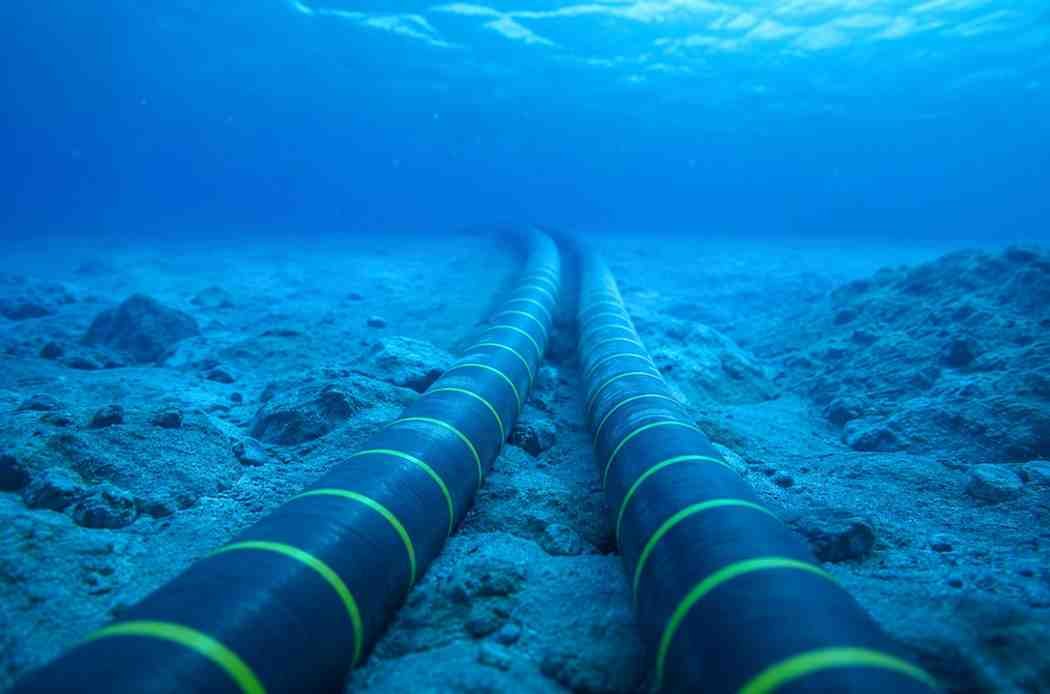
Iran has announced a controversial new plan involving Hormuz internet cables, raising fresh concerns about global digital security and internet stability.
According to international reports, Tehran now wants to impose fees on undersea internet cables that pass through the Strait of Hormuz. These cables carry huge amounts of global internet traffic and financial data between Asia, Europe, and Gulf countries.
The move comes amid rising tensions in the Middle East. As a result, many analysts now see the issue of Hormuz internet cables as more than just an economic matter.
Iranian lawmakers recently reviewed a proposal that could force international technology companies to pay licensing fees for cables operating near Iranian waters. In addition, Iranian authorities may give local companies exclusive rights to repair and maintain those cables.
State-linked media in Iran also issued indirect warnings about possible disruptions if companies refuse to cooperate. Therefore, global tech firms and financial markets have begun closely monitoring the situation.
Major companies such as Google, Microsoft, Meta, and Amazon have previously invested in regional cable infrastructure. However, officials have not confirmed whether those exact lines pass through Iranian territorial waters.
Experts say the importance of Hormuz internet cables goes far beyond internet speed. These undersea systems support banking networks, military communication, artificial intelligence cloud systems, online gaming, video streaming, and remote work platforms around the world.
At the same time, U.S. sanctions against Iran create another major challenge. Many international firms cannot legally send payments to Tehran under current restrictions. Because of this, some observers believe Iran may mainly use the proposal as political pressure rather than a fully enforceable policy.
Still, security experts warn that even verbal threats against Hormuz’s internet cables could increase uncertainty in global markets. Any damage or interruption could affect trillions of dollars in daily digital transactions.
The Strait of Hormuz already has major strategic importance due to global oil shipments. Now, attention is shifting toward its role in the worldwide digital communication infrastructure as well.
Meanwhile, regional tensions continue to fuel fears of wider instability. Iran has repeatedly signaled that it can use economic and technological pressure alongside military power.
Analysts believe Tehran seeks to strengthen its geopolitical influence by leveraging its geographic position. Consequently, the future of Hormuz internet cables may become a serious international issue in the coming months.
Global governments and technology companies will likely continue watching developments carefully. Any disruption in these cable networks could impact millions of users and businesses worldwide.