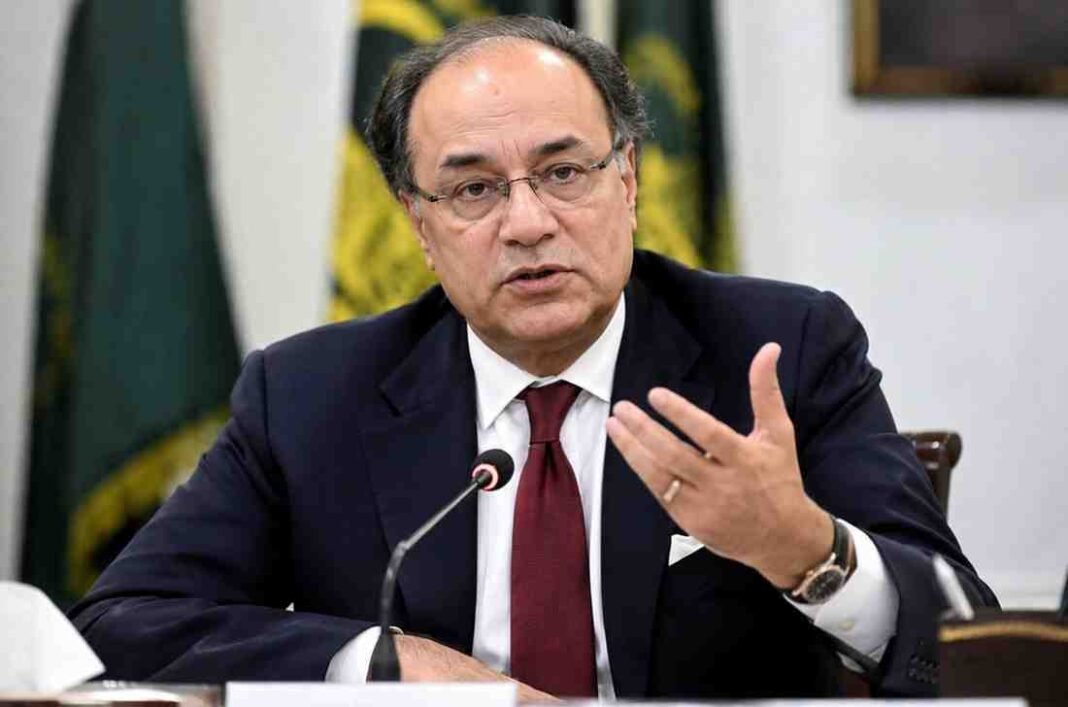
Islamabad: Pakistan’s Finance Minister Muhammad Aurangzeb has expressed optimism about the economic impact of a possible US-Iran Deal, saying the development could bring relief from inflation and strengthen the country’s economic outlook.
Speaking in an interview with ARY News, the finance minister said a successful US-Iran Deal would benefit not only the region but also the global economy. He explained that improved stability in the Middle East could help reduce uncertainty in international energy markets and support lower oil prices.
According to Aurangzeb, declining oil prices would directly benefit Pakistan. Since the country imports a significant portion of its energy requirements, lower crude oil prices could reduce import costs and ease pressure on foreign exchange reserves.
He noted that the government closely monitors global developments because international oil prices often influence domestic inflation. Therefore, a positive outcome from the US-Iran Deal could create favorable conditions for economic stability in Pakistan.
The finance minister said recent tensions in the region contributed to higher costs across international markets. Consequently, inflationary pressure increased in several countries, including Pakistan. Rising energy prices affected transportation costs, production expenses, and supply chains. As a result, businesses and consumers faced additional financial pressure.
However, Aurangzeb stated that the government managed the situation effectively during the period of uncertainty. He said authorities ensured the continuous availability of fuel and essential commodities across the country. Therefore, Pakistan avoided major disruptions despite challenging global conditions.
The minister also highlighted the relationship between energy prices and inflation. He explained that when oil prices rise, the cost of goods and services often increases as well. On the other hand, lower oil prices can support lower inflation and improve consumers’ purchasing power.
For this reason, officials view the potential US-Iran Deal as an encouraging development. If international markets respond positively, Pakistan could experience reduced inflationary pressure during the coming months.
Aurangzeb further said that lower energy costs would support both the fiscal and external sectors. Reduced import expenses could improve financial indicators and help create a more stable economic environment. Moreover, businesses could benefit from lower operating costs, potentially encouraging investment and growth.
At the same time, the finance minister acknowledged that some challenges may remain. He pointed out that regional tensions affected parts of the energy infrastructure and disrupted supply chains. Therefore, full normalization may require additional time even if a peace agreement moves forward.
Despite these concerns, he expressed confidence about the country’s economic prospects. He said the government remains focused on maintaining stability and supporting sustainable growth throughout the next fiscal year.
Aurangzeb also referred to earlier projections from the State Bank of Pakistan. According to those estimates, inflation could remain within the range of 6 to 7 percent. Furthermore, if global oil prices continue to decline after the US-Iran Deal, inflation may return to that projected range.
The finance minister described the development as an important moment for Pakistan and the wider region. He added that peace and stability often create economic opportunities, strengthen investor confidence, and support long-term growth.
As discussions surrounding the US-Iran Deal continue, economic observers will closely watch its impact on oil markets, inflation trends, and Pakistan’s overall economic performance.