Islamabad: Pakistan’s upcoming federal budget has sparked fresh debate over the Electric Vehicle Tax after officials explained which vehicles may face Federal Excise Duty and which buyers may receive relief.
The government plans to implement the new budget on July 1, 2026. Under the proposed changes, the government will introduce Federal Excise Duty on selected electric vehicles.
However, the policy will not affect every electric vehicle. Federal Board of Revenue officials told the National Assembly Finance Committee that the government will exempt electric vehicles worth up to $75,000 from the duty.
In Pakistani currency, that threshold stands at more than Rs20 million. Therefore, the Electric Vehicle Tax will apply only to vehicles that cross this value limit.
FBR officials explained that buyers of lower-priced electric vehicles will not pay Federal Excise Duty. The policy instead places luxury electric vehicles in a separate tax category.
The Finance Committee reviewed the proposal during a meeting in Islamabad. Members raised concerns about whether the plan supports Pakistan’s wider goal of promoting cleaner transport.
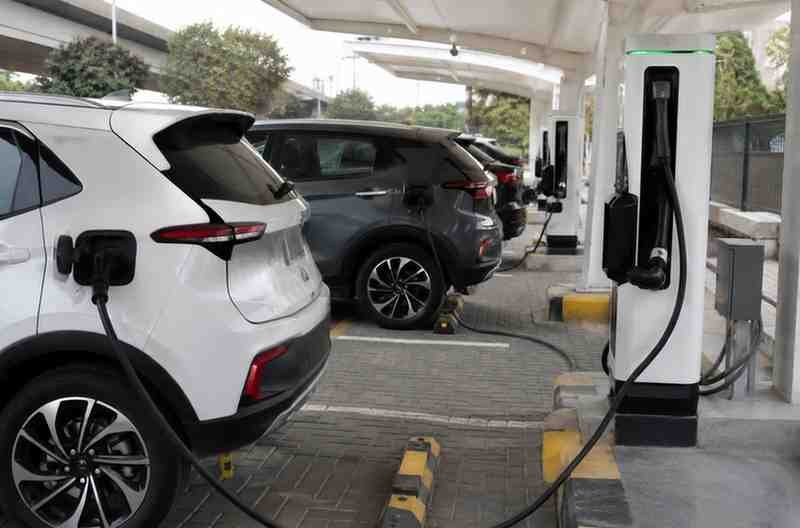
Committee member Shahida Akhtar asked FBR officials to clarify the government’s policy for electric vehicle charging stations. She said buyers cannot rely on electric vehicles without a reliable nationwide charging network.
She pointed to Pakistan’s electricity challenges. Moreover, she argued that the government must address power supply and charging access before it expects more people to shift toward electric mobility.
Her comments focused attention on a major gap in the country’s electric vehicle strategy. Consumers may hesitate to buy EVs if they cannot find charging points on highways, in cities, or near residential areas.
Meanwhile, committee member Sharmila Farooqi called for a consistent government policy. She questioned whether the government wants to encourage electric vehicles or limit their expansion through new duties.
Farooqi said the government cannot send mixed signals to the market. She argued that officials should clearly define the luxury category and explain how the Electric Vehicle Tax fits into a broader clean-energy plan.
She also highlighted the need for a policy that supports both environmental goals and consumer confidence. A clear framework can help buyers understand which vehicles qualify for relief and which ones will face additional charges.
Bilal Azhar Kayani responded that luxury electric vehicles will still face lower taxes than traditional vehicles. His remarks suggested that the government wants to keep some tax advantage for electric transport even after introducing the new duty.
However, other committee members opposed the move. Hina Rabbani Khar said electric vehicles already cost more than internal combustion engine vehicles in many cases.
She argued that the government should avoid placing new financial pressure on EV buyers. According to her, higher taxes can slow down the shift from fuel-powered vehicles to modern alternatives.
Khar also said electric vehicles did not previously face a 30 percent duty. She noted that the automobile industry changes quickly and introduces new technology at short intervals.
Her comments raised wider questions about the future of Pakistan’s transport policy. The Electric Vehicle Tax may generate revenue from high-end vehicles, but policymakers must also consider its effect on investment, consumer demand, and environmental targets.
The government faces a difficult balance. It wants to collect revenue through the new budget, yet it also needs to encourage cleaner transport and reduce dependence on imported fuel.
Electric vehicles can help lower emissions and cut fuel costs over time. However, buyers need affordable prices, dependable electricity, and accessible charging stations before they make the switch.
The Finance Committee discussion showed that lawmakers expect more details from the government. They want officials to explain how the duty will work and how the country will expand charging infrastructure.
For now, the policy protects electric vehicles priced below $75,000 from Federal Excise Duty. At the same time, the Electric Vehicle Tax will target higher-value EVs that the government considers luxury vehicles.
The final impact will depend on how clearly the government implements the policy after July 1. Consumers, car companies, and investors will closely watch the next steps as Pakistan prepares to reshape its electric vehicle market.