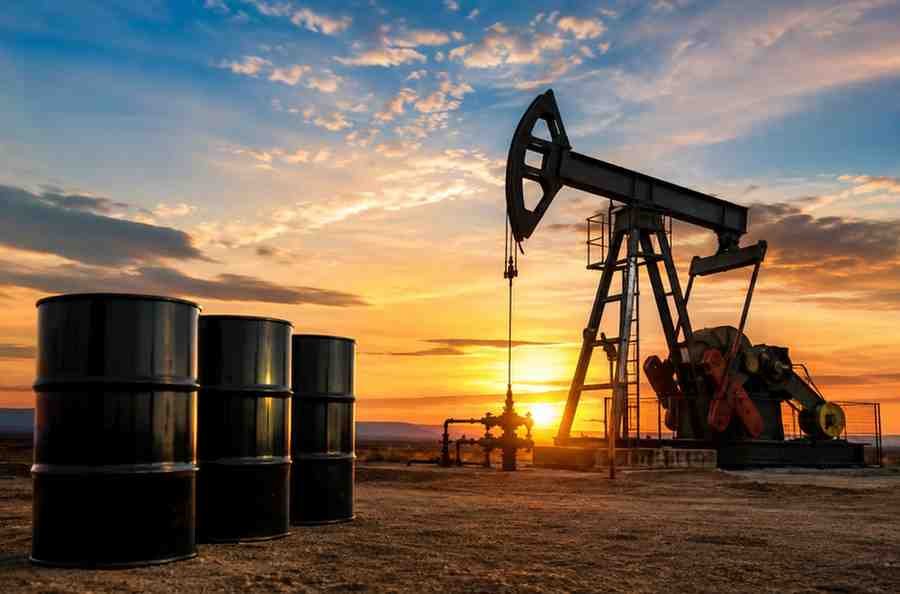
The latest movement in Global Oil Prices has attracted attention across financial markets. Investors reacted quickly after signs of easing tensions between Iran and the United States. As a result, crude oil prices recorded one of their biggest single-day declines in recent weeks.
Energy traders closely watched developments in the Middle East. The improving diplomatic situation encouraged investors to reduce concerns about possible supply disruptions. As a result, oil markets responded with a sharp price correction.
The recent decline came after reports suggested that the risk of immediate military action had decreased. Market confidence improved soon afterward. Consequently, buyers and sellers adjusted their positions across global energy exchanges.
According to the latest market data, Brent crude recorded a significant decline. The international benchmark dropped by about 5.4 percent during trading. After the fall, Brent crude reached nearly 83.16 dollars per barrel.
At the same time, West Texas Intermediate also experienced a strong decline. The American benchmark lost more than six percent in value. It later traded around 79.45 dollars per barrel.
This sharp movement in Global Oil Prices reflects how quickly geopolitical events influence commodity markets. Oil traders often respond within minutes to political developments. Consequently, market volatility increases whenever uncertainty rises or falls.
Experts explained that investors had previously priced in the possibility of supply disruptions. However, improving diplomatic signals changed market expectations. Therefore, many traders shifted toward selling positions.
The Middle East remains one of the world’s most important oil-producing regions. Any political development in this area directly affects international energy markets. For that reason, investors continue to monitor every major announcement.
The latest decline in Global Oil Prices also brought optimism to businesses that depend on fuel. Lower crude oil prices often reduce transportation costs. As a result, companies may experience lower operating expenses.
Consumers could also benefit if lower international oil prices continue. Fuel-importing countries usually experience reduced import costs when crude oil becomes cheaper. Consequently, governments may receive additional financial relief.
Market analysts believe that diplomacy played a major role in calming investor concerns. Positive developments between Iran and the United States reduced fears of wider regional conflict. Therefore, oil prices quickly moved lower.
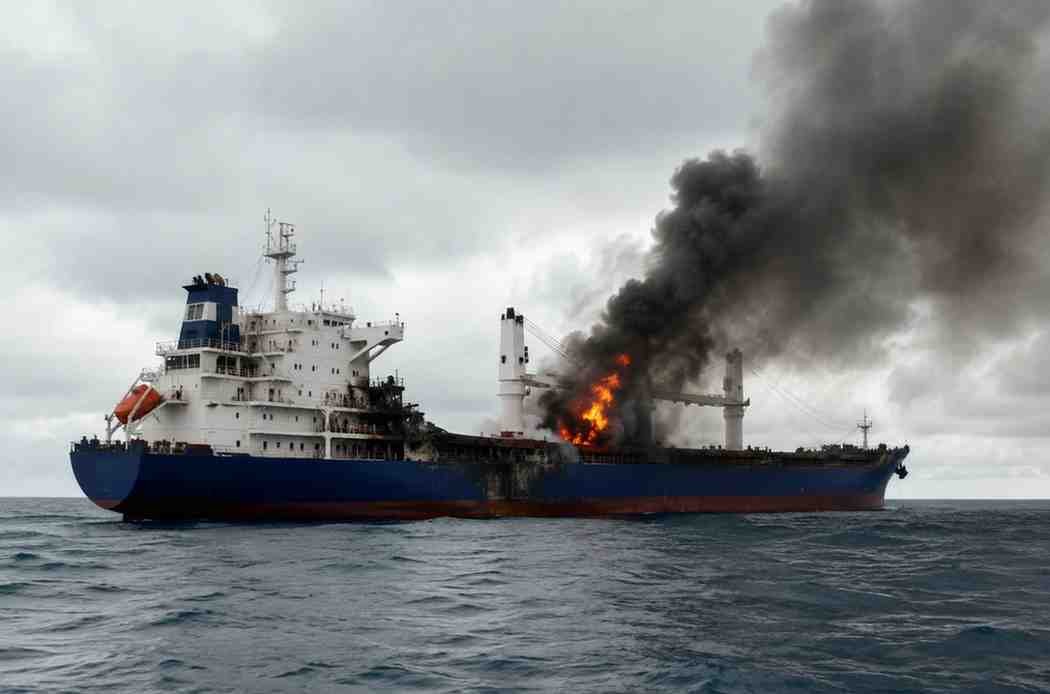
Another important factor involves the Strait of Hormuz. This strategic shipping route carries a large share of the world’s oil exports. Any disruption in this area usually creates immediate pressure on global energy prices.
Analysts now expect smoother commercial shipping if regional stability continues. Better transportation conditions would support uninterrupted oil supplies. As a result, energy markets may remain more stable.
The recent decline in Global Oil Prices also supports industries that rely heavily on petroleum products. Airlines, shipping companies, and manufacturers often benefit from lower fuel costs. Therefore, production expenses could decrease in several sectors.
Financial experts also noted that lower oil prices may help control inflation. Energy costs influence transportation, manufacturing, and food distribution. Consequently, cheaper fuel can reduce overall price pressures across many economies.
Several economists believe central banks will closely monitor these developments. Lower energy prices sometimes support efforts to stabilize inflation. Therefore, policymakers may gain greater flexibility in future economic decisions.
Investors now continue to evaluate upcoming diplomatic meetings and regional developments. Every new statement from political leaders could influence market direction. Consequently, trading activity may remain active in the coming weeks.
The latest trend in Global Oil Prices also highlights the close relationship between politics and economics. International energy markets rarely move independently from geopolitical events. Instead, investor confidence often shapes daily price movements.
Energy companies also continue monitoring global demand. Strong economic activity can increase oil consumption even when prices decline. Therefore, future demand will remain another important factor for market direction.
Meanwhile, analysts expect price fluctuations to continue as fresh economic data becomes available. Supply levels, production decisions, and global demand will influence future trading. Consequently, investors will continue watching every major development.
If diplomatic progress continues across the Middle East, market confidence may strengthen further. Stable supply chains could encourage additional price stability. At the same time, lower energy costs could support global economic growth.
Overall, the recent fall in Global Oil Prices reflects improving geopolitical conditions rather than weakening demand. Lower crude oil prices offer positive signals for businesses, governments, and consumers alike. If regional peace continues, international energy markets may gradually return to more stable and predictable trading conditions.