


Introduction
Every nation depends on trust to move forward. People trust governments to make fair decisions, institutions to uphold justice, businesses to act responsibly, and communities to support one another. When that trust grows, countries attract investment, create opportunities, and build stronger societies.
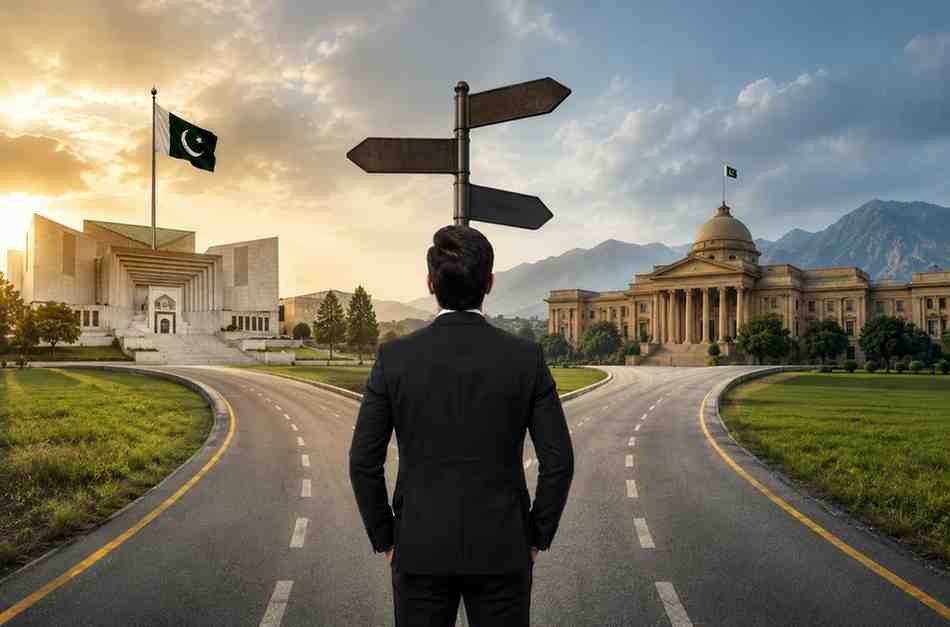
Today, Public Trust Pakistan stands at the center of one of the country’s biggest national challenges. It influences economic growth, political stability, education, healthcare, business confidence, and even the future decisions of young Pakistanis. Without trust, progress becomes slower. With trust, every reform gains greater public support.
Pakistan has remarkable strengths. The country has a young population, talented professionals, rich natural resources, and a strategic location. However, many citizens continue to question whether institutions can consistently deliver fairness, transparency, and accountability. That growing uncertainty deserves serious attention.
Why Public Trust Matters More Than Ever
Trust creates confidence. Confidence encourages investment. Investment creates jobs. Jobs improve living standards.
The same cycle works in reverse. When confidence declines, economic activity slows. Businesses become cautious. Investors delay projects. Families reduce spending because they worry about the future.
This is why Public Trust Pakistan is much more than a political issue. It directly affects everyday life.
People make important decisions based on confidence. They decide where to invest, where to study, where to work, and even whether to remain in the country. Every major decision reflects how secure they feel about tomorrow.
The Link Between Trust and Economic Growth
Every successful economy depends on predictable policies and transparent institutions.
Business owners invest when they believe rules will remain stable. Entrepreneurs launch startups when they expect fair competition. International investors enter markets when they see long-term consistency.
Pakistan has enormous economic potential. Nevertheless, uncertainty often discourages investment decisions.
Many local businesses postpone expansion plans during uncertain periods. Likewise, foreign investors carefully evaluate governance, regulations, and policy consistency before committing capital.
For this reason, public trust in Pakistan directly influences economic development.
Higher confidence usually attracts greater investment. Greater investment creates employment. More employment strengthens the national economy.
Why Young Pakistanis Feel the Challenge Most
Pakistan’s youth represent one of the country’s greatest strengths.
Millions of young people graduate every year with dreams of building successful careers. They possess talent, ambition, and fresh ideas. Unfortunately, many struggle to find opportunities that match their abilities.
This situation creates frustration. Consequently, many skilled professionals begin exploring opportunities abroad.
The growing brain drain reflects more than financial concerns. Many young people want an environment where hard work receives recognition and equal opportunities exist for everyone.
Retaining talented youth requires more than motivational speeches. It requires confidence in the future.
Social Media and the Crisis of Confidence
The digital age has transformed public opinion.
News spreads across social media within seconds. Accurate information reaches millions quickly. Unfortunately, misinformation also travels at remarkable speed.
False stories often create unnecessary fear and confusion.
Responsible journalism and digital literacy have therefore become increasingly important.
Citizens need verified information before forming opinions. Likewise, institutions must communicate openly and respond quickly during important national events.
Transparent communication strengthens confidence. Silence usually creates speculation.
Transparency Builds Stronger Institutions
Trust grows when institutions remain transparent.
People appreciate honest communication even during difficult times. Clear explanations reduce uncertainty. Consistent actions strengthen credibility.
Governments, businesses, universities, hospitals, and public organizations all benefit from transparency.
Citizens also expect accountability.
Fair investigations, equal application of laws, and responsible leadership gradually improve public confidence.
Small improvements often produce long-term results.
The Role of Education in Rebuilding Trust
Education shapes responsible citizens.
Schools teach much more than academic subjects. They also develop honesty, discipline, responsibility, and critical thinking.
Teachers inspire future leaders through daily actions.
Universities encourage independent thinking and innovation. Those qualities help create societies where trust becomes stronger over time.
Students who value ethics often carry those principles into business, government, and community leadership.
Businesses Also Share Responsibility
Trust does not belong only to governments.
Private companies also influence public confidence through ethical practices.
Consumers support businesses that deliver quality products, fair prices, and honest customer service.
Employees remain loyal to organizations that treat them with respect.
Transparent financial practices also strengthen corporate credibility.
Responsible businesses contribute significantly to rebuilding Public Trust Pakistan.
Technology Can Improve Public Confidence
Technology continues transforming public services around the world.
Digital systems reduce paperwork. Online services increase convenience. Electronic payments improve transparency.
Artificial intelligence also offers exciting opportunities.
AI can improve efficiency in healthcare, education, taxation, transportation, and public administration.
Technology alone cannot solve every challenge.
However, responsible use of digital systems can strengthen accountability while reducing delays and unnecessary complications.
Every Citizen Has a Role
Building trust requires collective effort.
Citizens strengthen society when they follow laws, pay taxes honestly, respect public property, and reject corruption.
Communities become stronger when people cooperate instead of dividing themselves.
Families also play an important role.
Children often learn honesty, fairness, and responsibility at home before experiencing society.
Strong values eventually create stronger institutions.
A Roadmap for Pakistan’s Future
Rebuilding trust does not happen overnight.
Successful nations improve gradually through consistent reforms and responsible leadership.
Pakistan can strengthen confidence by improving transparency, protecting the rule of law, encouraging merit, simplifying regulations, investing in education, and expanding digital governance.
Economic stability will further reinforce these improvements.
Each successful reform creates momentum for the next one.
Progress may seem slow initially. Nevertheless, consistent action always produces meaningful results.
Conclusion
Public Trust Pakistan remains one of the country’s most important national challenges because trust influences every part of society. It shapes investment decisions, strengthens democratic institutions, supports economic growth, encourages entrepreneurship, and determines whether talented young people choose to build their future at home.
Pakistan already possesses the talent, resources, and resilience needed for long-term success. The next step is to strengthen confidence through transparency, accountability, fairness, and responsible leadership.
Every honest decision, every fair policy, and every meaningful reform moves the country closer to that goal.
Ultimately, rebuilding Public Trust Pakistan is not only the responsibility of governments or institutions. Businesses, educators, media organizations, community leaders, and ordinary citizens all share this responsibility. When trust grows, opportunities grow with it. When confidence returns, Pakistan can unlock its full potential and build a stronger future for generations to come.