US Embassies Across Middle East Issue Identical Security Alerts, Citing Iran and Houthi Threats
US embassies across the Middle East have issued identical security alerts. They warn American citizens in the region of possible threats from Iran and Yemen’s Houthi movement. Moreover, the coordinated US embassies security alert marks one of the broadest US security advisories in the region this year.
The alert covers 12 Middle East countries. These include the Gulf Arab states, Jordan, Iraq, Syria, Lebanon, Israel, Yemen and Iran. Furthermore, Americans in these countries have been told to “exercise heightened vigilance due to the complex security environment”.
What the US embassies security alert says
The advisory warns that “Iran and groups supportive of Iran may target other US interests overseas”. It adds that targets could include “locations associated with the United States and Americans throughout the world”. Finally, it names “US businesses and other institutions”.
It also asks Americans to “be aware of potential flight cancellations, airspace closures, and travel disruptions”. In addition, the warning notes that hostilities “have the potential to escalate rapidly beyond that immediate area”.
The US embassy in the United Arab Emirates issued one of the alerts. It pointed to the Houthis’ attacks against Saudi Arabia. Specifically, it cited strikes on civilian airports and other critical infrastructure. These caused civilian casualties and severe travel disruption.
Americans travelling to or from the Middle East have been advised to monitor airport and airline operations. They should also prepare contingency plans. In addition, the advisory urges US citizens to enrol in the State Department’s Smart Traveler Enrollment Program (STEP). This ensures they receive security updates. Finally, the US embassy in Jerusalem issued a separate list of actions to take. It also gave details of possible emergency assistance.
Why the alert was issued now
The warning follows a sharp escalation in Yemen in October. It came after the collapse of a multi-year informal ceasefire. Since then, the Houthis have launched major cross-border drone and missile strikes deep into Saudi Arabia.
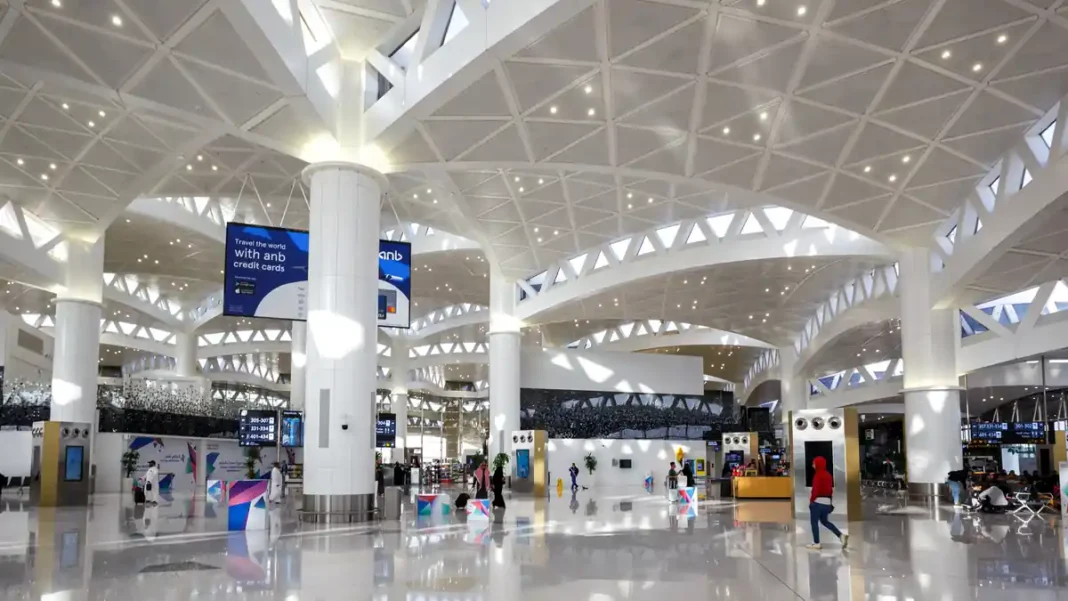
On October 10, a deadly strike on Riyadh’s King Khalid International Airport killed 13 people. The victims included an Indian national. Pakistan condemned the attack on the airport, as Feature Pakistan reported at the time. Moreover, it called for restraint in the region.
The Saudi-led coalition has responded with a series of airstrikes. These targeted Houthi positions in Yemen, including the capital Sanaa. Meanwhile, the group has threatened further attacks on Saudi oil facilities and other critical infrastructure.
What Americans in the region should do
The advisory asks US citizens to follow local media. They should stay away from demonstrations and large gatherings. In addition, they must follow the instructions of local authorities. Travellers heading to or leaving the region should confirm their bookings directly with airlines before going to the airport.
Finally, the warning says Americans should consult the country-specific security alerts. These are on the State Department’s Bureau of Consular Affairs website. They carry the latest guidance.
FAQs
Which countries are covered by the US embassies security alert?
The alert covers American citizens in 12 Middle East countries. These are the Gulf Arab states (Saudi Arabia, the UAE, Kuwait, Qatar, Bahrain and Oman). In addition, they include Jordan, Iraq, Syria, Lebanon, Israel, Yemen and Iran.
Why did US embassies issue the Middle East security alert?
The embassies cited the threat from Iran and Iran-backed groups. This includes the Houthis. Moreover, the Houthis have escalated drone and missile attacks against Saudi Arabia. This followed the collapse of Yemen’s informal ceasefire in October.
What should Americans in the Middle East do?
Exercise heightened vigilance and monitor airport and airline operations. In addition, prepare contingency plans for travel disruption. Avoid demonstrations and follow local authorities’ instructions. Finally, enrol in the State Department’s STEP programme.