

Karachi carries countless stories within its streets, markets, schools, and old neighborhoods. Among the city’s most fascinating stories stands the history of the Karachi Goans, a community that brought skill, color, discipline, and cultural warmth to a growing port city.
Their journey does not begin with one grand event. Instead, it unfolds through families who crossed the sea for work, built homes, served institutions, and created a lasting bond with Karachi.
How a Goan Community Reached a Rising Port City
During the nineteenth century, Karachi began to grow as a strategic port and commercial center. That growth attracted people from across the wider region, including families from Goa on India’s western coast.
Many arrivals sought stable work and new opportunities. They joined the port economy, entered technical professions, taught in schools, supported railway operations, and worked in communication services.
The Karachi Goans arrived with valuable professional experience and strong community networks. Therefore, they found space in a city that needed trained workers, teachers, clerks, health professionals, and administrators.
Karachi offered movement, trade, and possibility. In return, Goan families added their knowledge, work ethic, and traditions to the city’s everyday life.
Institutions That Shaped the City
Their contribution reached far beyond private family life. Community members participated in education, public service, healthcare, sports, clubs, and cultural activities.
Schools and church-linked networks often gave families a strong sense of discipline and service. As a result, many young people entered careers that supported Karachi’s expanding civic life.
The Karachi Goan Association became one of the clearest symbols of this presence. Community leaders formed the earlier Goa-Portuguese Association in 1886, and its hall later served as a gathering place for social events, performances, games, and celebrations.
The Karachi Goans also helped shape neighborhood life through clubs, schools, and professional circles. Their work connected people across communities at a time when Karachi welcomed traders, laborers, officials, and entrepreneurs from many backgrounds.
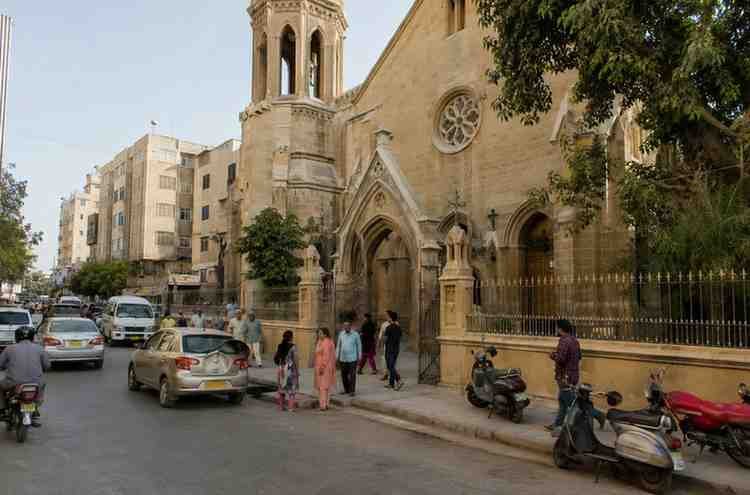
Their legacy also appears in the city’s public memory. Older streets, buildings, community halls, and family stories still point towards people who invested time and talent in Karachi’s progress.
A Culture of Food, Music, Language, and Celebration
Culture gives this history its most human side. Goan families carried Konkani language traditions, family customs, music, recipes, and celebrations across the sea.
Konkani shaped the community’s identity, while English and local languages helped families build daily connections in Karachi. This mix gave younger generations a wide cultural vocabulary and a strong sense of belonging.
Food remains one of the most memorable parts of this heritage. Spiced dishes, festive cooking, and shared family meals keep stories alive long after older relatives pass their memories to the next generation.
The Karachi Goans also brought energy to music, dance, theatre, and sports. These traditions created spaces for joy, friendship, and community pride, while they also added another layer to Karachi’s already vibrant cultural character.
This heritage does not sit behind museum glass. It lives in family kitchens, wedding customs, old photographs, community events, and conversations between generations.
Migration Changed Numbers, Not Identity
The community’s size changed after Partition and through later waves of global migration. Many Goan-origin families left for the United Kingdom, Canada, Australia, and other countries in search of education, safety, family links, or professional growth.
However, migration did not erase Karachi from their identity. Many families retained memories of schools, churches, friends, streets, and community events that shaped their earliest years.
The Karachi Goans show how identity can travel without disappearing. A family may live abroad, yet still celebrate ancestral recipes, remember Karachi landmarks, and stay connected with relatives at home.
This diaspora also carries Karachi’s story into new places. It reminds the world that the city’s history includes far more than headlines, traffic, and business districts.
Why Karachi Goans Matter to Every Karachiite
Karachi works best when people recognize its many layers. The city grew through the efforts of communities that brought different languages, beliefs, skills, and dreams into one shared urban space.
The Karachi Goans offer a powerful example of that shared history. Their story challenges narrow ideas about who belongs in Karachi and proves that the city’s strength comes from cultural exchange.
Their legacy also gives young Pakistanis a reason to explore local history with fresh curiosity. Students can look beyond textbook summaries to discover how communities have shaped schools, services, sport, neighborhoods, and cultural life.
This history deserves care, research, and public attention. Heritage walks, school projects, oral history interviews, and community archives can preserve memories before they fade.
A Story Karachi Must Continue to Tell
The Goan community remains an important part of Karachi’s multicultural identity. Its people helped turn a port city into a place where different cultures could meet, work, learn, and celebrate together.
Today, the Karachi Goans preserve a legacy built on courage, service, and connection. Their story invites every resident to see Karachi not only as a city of millions, but also as a city of unforgettable communities.
When Karachi protects these stories, it protects its own soul. The past then becomes more than nostalgia; it becomes a guide for building a more respectful and inclusive future.