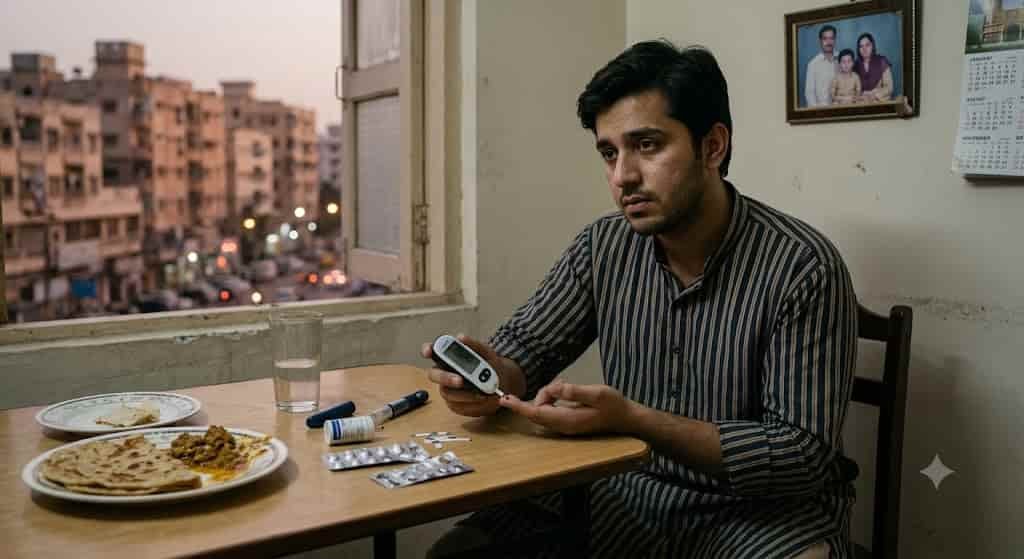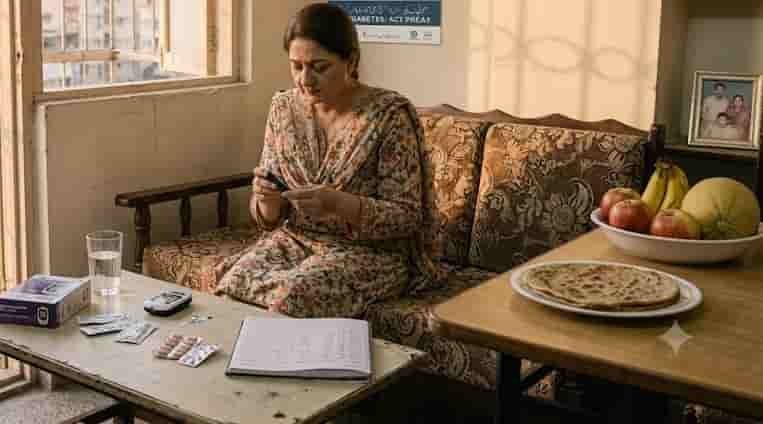
Diabetes does not always appear suddenly. For many people, blood sugar starts moving above the healthy range long before they receive a type 2 diabetes diagnosis.
This stage is known as prediabetes. Understanding prediabetes in Pakistan matters because millions of people may have abnormal blood sugar without experiencing obvious warning signs.
Prediabetes means blood glucose levels are higher than normal but not yet high enough to meet the diagnostic criteria for diabetes.
The encouraging part is that early action can make a difference. Healthy eating, regular physical activity, weight management, better sleep, and medical guidance can help people address important risk factors.
However, ignoring abnormal blood sugar can allow the problem to progress.
That makes awareness particularly important in Pakistan, where diabetes already represents a major public health challenge.
What Is Prediabetes?
Prediabetes occurs when the body starts struggling to maintain normal blood glucose levels.
Insulin plays a central role in this process. The pancreas produces this hormone to help glucose move from the bloodstream into cells, where the body can use it for energy.
However, cells can become less responsive to insulin.
Doctors call this insulin resistance.
The pancreas may initially produce additional insulin to compensate. Eventually, the body may struggle to maintain healthy blood glucose levels.
At that stage, a person’s glucose readings may enter the prediabetes range.
Prediabetes does not mean that type 2 diabetes is inevitable. Instead, it provides an important warning that metabolic health needs attention.
Why Prediabetes in Pakistan Is an Important Issue
Pakistan faces a substantial diabetes burden, but diagnosed diabetes tells only part of the story.
Many people do not routinely check their blood sugar, especially when they feel healthy.
That can create a dangerous gap.
Prediabetes often develops without clear symptoms, so someone may continue their normal routine without realizing that their blood glucose has risen.
Meanwhile, several common lifestyle patterns can increase type 2 diabetes risk.
Limited physical activity, excess body weight, calorie-dense diets, sugary drinks, family history, and long periods of sitting can all contribute.
Therefore, increasing awareness about prediabetes in Pakistan could help more people recognize their risk before type 2 diabetes develops.
Prediabetes Often Has No Clear Warning Signs
One of the most important facts about prediabetes is also one of the most concerning.
You may feel completely normal.
Prediabetes frequently causes no obvious symptoms. That means relying only on how you feel may not reveal what is happening to your blood glucose.
Some people only discover abnormal glucose levels during routine medical testing.
Others learn about the problem when a doctor recommends screening because of excess weight, family history, previous abnormal results, or other risk factors.
This makes appropriate screening valuable.
You do not need to wait for severe symptoms before discussing your risk with a healthcare professional.
Possible Signs That Should Not Be Ignored
Prediabetes itself may not cause noticeable symptoms.
However, as blood glucose rises toward the diabetes range, some people can experience symptoms associated with high blood sugar.
These may include increased thirst, frequent urination, unusual tiredness, blurred vision, increased hunger, unexplained weight changes, recurring infections, or slow wound healing.
These symptoms do not automatically mean you have diabetes.
Other health conditions can cause similar problems.
However, persistent symptoms deserve medical attention rather than self-diagnosis.
A simple conversation with a qualified healthcare professional can determine whether blood glucose testing is appropriate.
Who Is More Likely to Develop Prediabetes?
Prediabetes can affect different types of people, but certain factors can increase risk.
Excess weight represents one important factor, particularly when a person carries more fat around the waist.
Physical inactivity also matters.
People who spend most of the day sitting and rarely exercise may have poorer insulin sensitivity than those who maintain regular physical activity.
Family history represents another important consideration.
If your parents or close relatives have type 2 diabetes, discussing your personal risk with a doctor may be worthwhile.
Age can increase risk as well, but younger people should not assume they are automatically protected.
In fact, changing lifestyle patterns mean young adults increasingly need to pay attention to metabolic health.
Our detailed guide on diabetes in young people in Pakistan explains why type 2 diabetes risks can emerge earlier than many families expect.
Insulin Resistance Can Begin Before Diabetes
Insulin resistance sits at the center of many cases of type 2 diabetes.
After you eat carbohydrates, your digestive system breaks many of them down into glucose. Glucose enters the bloodstream, and insulin helps cells take it up.
When cells become resistant to insulin, the body needs to work harder.
The pancreas responds by producing more insulin.
For some time, this compensation may keep blood glucose within a relatively normal range.
However, the system may eventually struggle.
Blood glucose can then rise into the prediabetes range and, in some people, eventually reach the diabetes range.
That is why prevention should begin before a diabetes diagnosis.
How Do Doctors Test for Prediabetes?
Healthcare professionals can use several blood tests to assess glucose control.
One commonly used option is the fasting plasma glucose test.
For this test, a person does not eat for a specified period before blood is taken. The result shows the amount of glucose present in the bloodstream at that time.
Another commonly used test is HbA1c.
HbA1c provides information about average blood glucose over roughly the previous two to three months.
Doctors may also use an oral glucose tolerance test in certain situations.
In this test, healthcare professionals assess how the body handles glucose over a set period.
The appropriate test depends on the individual.
Therefore, a qualified healthcare professional should interpret results rather than relying on random online charts or self-diagnosis.
Can Prediabetes Turn Into Type 2 Diabetes?
Yes, prediabetes can progress to type 2 diabetes.
However, progression is not inevitable.
This distinction makes prediabetes in Pakistan an especially important topic for prevention.
People who identify abnormal blood glucose early have an opportunity to discuss lifestyle changes and medical management with healthcare professionals.
Waiting until diabetes develops can mean losing valuable time. Prediabetes often develops without obvious symptoms. However, understanding the early symptoms of diabetes can help you recognize warning signs if blood glucose continues to rise.
Think of prediabetes as a warning light.
The warning does not guarantee that the engine will fail, but ignoring it would make little sense.
Your body may be giving you an opportunity to act.
1. Start Moving More Every Day
Physical activity is one of the most practical ways to support metabolic health.
Your muscles use glucose for energy when you move.
Regular activity can also improve insulin sensitivity and help with weight management.
You do not need to transform into an athlete overnight.
Start with realistic goals.
Walking after meals, taking stairs, doing household activities, cycling, swimming, playing sports, or following home workouts can increase your daily movement.
For people with desk jobs, breaking up long sitting periods can also help create a more active routine.
The best exercise is usually one you can continue consistently.
2. Reduce Sugary Drinks
Drinks can quietly add large amounts of sugar and calories to a person’s diet.
Soft drinks, sweetened juices, energy drinks, milkshakes, flavored coffees, and heavily sweetened tea can become regular habits.
Because liquids do not always feel as filling as solid foods, people can consume substantial calories without realizing it.
Water provides a simple alternative.
Unsweetened tea or other low-sugar options may also help reduce overall sugar intake.
You do not necessarily need to change everything in one day.
Gradually reducing the amount and frequency of sweet drinks can make the transition easier.
3. Improve Your Pakistani Meals Instead of Abandoning Them
Preventing diabetes does not require giving up Pakistani cuisine.
Many traditional foods can fit comfortably into a balanced diet.
Daal, chana, beans, vegetables, salads, yogurt, whole grains, lean meat, fish, eggs, and other minimally processed foods can provide valuable nutrients.
Problems often arise from portions and preparation methods.
Large amounts of oil or ghee, oversized servings of refined carbohydrates, fried foods, sweets, and sugary drinks can dramatically increase the calorie content of a meal.
Focus on balance.
Increase vegetables and fiber-rich foods while paying attention to portion sizes and cooking methods.
Sustainable changes usually work better than extreme restrictions.
4. Pay Attention to Portion Size
Healthy ingredients can still provide more energy than the body needs when portions become very large.
This matters in Pakistani households, where hospitality often means encouraging guests and family members to eat more.
You do not need to leave the dining table hungry.
Instead, learn to recognize comfortable fullness.
Eat more slowly and give your body time to respond.
Using a balanced plate can also help.
Include vegetables, an appropriate protein source, and a sensible amount of carbohydrate rather than allowing rice or roti to dominate every meal.
5. Work Toward a Healthy Weight
Excess body fat can contribute to insulin resistance.
Therefore, people who are overweight may benefit from gradual and sustainable weight management.
Extreme crash diets rarely create healthy long-term habits.
Instead, combine better food choices with regular movement, adequate sleep, and realistic portions.
Even relatively modest improvements can matter.
A qualified dietitian or healthcare professional can provide personalized guidance, particularly for people who already have abnormal blood glucose or other health conditions.
6. Protect Your Sleep
Diet and exercise receive most of the attention in diabetes discussions.
Sleep deserves a place beside them.
Irregular or insufficient sleep can affect appetite, energy levels, hormones, and metabolic health.
Unfortunately, many people now sacrifice sleep for work, studying, gaming, streaming, or social media.
Try to establish a consistent sleep schedule.
Reducing unnecessary late-night screen time can also make healthy sleep easier.
Better sleep will not replace good nutrition or physical activity, but it can support both.
7. Take Family History Seriously
If diabetes runs in your family, do not panic.
Instead, use that information wisely.
Family history can increase type 2 diabetes risk, but it does not determine your future on its own.
Your daily habits still matter.
Someone with a strong family history may have even more reason to stay active, maintain a healthy weight, eat a balanced diet, and discuss appropriate screening with a doctor.
Awareness creates an advantage.
Ignoring family history removes that advantage.
8. Avoid Waiting for Symptoms
This may be one of the most important prevention messages.
Do not assume that feeling healthy guarantees normal blood sugar.
Prediabetes can exist silently.
If you have relevant risk factors, ask a qualified healthcare professional whether you should get tested.
This becomes particularly important for people with excess weight, a strong family history, previous abnormal glucose results, or other metabolic risk factors.
Early information can help guide your next steps.
What Should You Do If a Test Shows Prediabetes?
First, do not panic.
Prediabetes is a warning that deserves attention, not a reason to assume the worst.
Discuss the result with a qualified healthcare professional.
Your doctor may consider your blood glucose results alongside your age, weight, family history, blood pressure, cholesterol, medications, and other relevant factors.
You may need repeat testing depending on your circumstances.
Your healthcare professional can also recommend appropriate dietary changes, exercise, weight management, follow-up testing, or medical treatment when necessary.
Avoid starting medications or supplements based solely on internet advice.
Individual treatment decisions require proper medical assessment.
Can Prediabetes Return to Normal?
Some people with prediabetes can bring their glucose levels back below the prediabetes threshold, particularly when they make effective lifestyle changes and follow appropriate medical guidance.
However, that does not mean future risk disappears permanently.
Healthy habits still matter.
Someone who improves their blood glucose and then returns to prolonged inactivity, excessive calorie intake, weight gain, and other unhealthy patterns may face problems again.
Think long term.
The goal should not simply involve achieving one good laboratory result.
The real objective is better metabolic health over many years.
Young Adults Should Pay Attention Too
Prediabetes should not become a conversation limited to people over 40.
Younger adults can also develop insulin resistance and abnormal glucose levels.
Increasing screen time, sedentary jobs, processed foods, sugary drinks, irregular sleep, and weight gain can create metabolic problems surprisingly early.
This makes prevention particularly valuable during your 20s and 30s.
Habits developed at this age can influence health for decades.
Pakistan Needs a Prevention-First Approach
Treating diabetes remains essential, but prevention deserves far more attention.
Families can encourage healthier meals and physical activity.
Schools and universities can create opportunities for sports and movement.
Employers can encourage staff to break up long sitting periods.
Healthcare professionals can help high-risk individuals identify abnormal blood glucose earlier.
Public health campaigns can also explain risk factors in simple language.
Most importantly, people need to understand that diabetes does not always begin on the day of diagnosis.
The metabolic changes can start years earlier.
Our pillar article, Why Diabetes Is Increasing in Pakistan: 10 Major Reasons, explores the wider lifestyle, dietary and social factors contributing to the country’s growing diabetes burden.
Prediabetes in Pakistan deserves much more attention because it offers an important opportunity for early intervention.
A person can have abnormal blood glucose without feeling ill.
That is precisely why awareness, appropriate screening, and healthier daily habits matter.
Regular physical activity, balanced meals, fewer sugary drinks, healthier body weight, adequate sleep, and medical guidance can all support better metabolic health.
Most importantly, do not wait for diabetes symptoms before thinking about prevention.
Know your risk factors.
Discuss appropriate testing with a healthcare professional.
And remember that small improvements made consistently can become powerful over time.
Pakistan’s diabetes challenge will not disappear overnight. However, helping more people recognize and address prediabetes could become an important part of reducing the future burden of type 2 diabetes.
Frequently Asked Questions
What is prediabetes?
Prediabetes means blood glucose levels are above the normal range but have not yet reached the diagnostic threshold for diabetes.
Does prediabetes have symptoms?
Prediabetes often causes no obvious symptoms. Some people only discover it through blood testing.
Can young adults have prediabetes?
Yes. Young adults can develop prediabetes, particularly when relevant genetic, weight, dietary, or lifestyle risk factors are present.
What tests can detect prediabetes?
Healthcare professionals commonly use fasting plasma glucose, HbA1c, and sometimes an oral glucose tolerance test to assess glucose control.
Can prediabetes become type 2 diabetes?
Yes. Prediabetes can progress to type 2 diabetes, although progression is not inevitable.
Can lifestyle changes help with prediabetes?
Healthy eating, regular physical activity, weight management, adequate sleep, and appropriate medical care can help address important risk factors.
Should I stop eating roti if I have prediabetes?
Not necessarily. Overall diet quality, carbohydrate quantity, portion size, and individual health needs matter. A doctor or qualified dietitian can provide personalized advice.
Should people with a family history of diabetes get tested?
Family history is an important risk factor. People with a strong family history should discuss their individual risk and appropriate screening schedule with a healthcare professional.