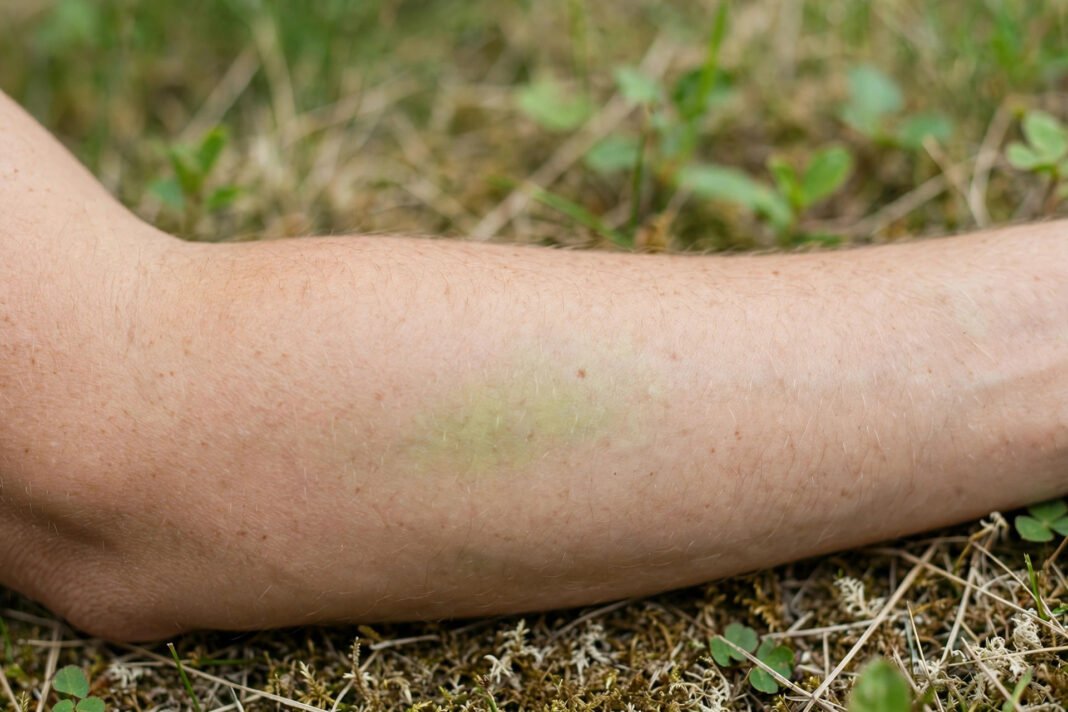
Most people have had the experience of finding a bruise and having no memory of earning it. An odd purple mark on the shin, a yellow-green patch on the forearm — and no recollection of bumping into anything. The occasional mystery bruise is normal. But when bruises appear often, seem out of proportion to the bump that caused them, or show up in unusual places, it is natural to ask: why do I bruise so easily?
The answer is usually reassuring. Skin thins with age, some medications make bruising more likely, and a few people simply bruise more readily than others. But because easy bruising can occasionally signal a problem with blood clotting, platelets, or blood vessels, it is worth understanding the common causes of bruising easily — and knowing which patterns deserve a doctor’s look rather than a shrug.
What a Bruise Actually Is
A bruise, medically called a contusion, forms when small blood vessels — capillaries — under the skin break and leak blood into the surrounding tissue. Because the skin itself is not broken, the blood has nowhere to go, so it pools beneath the surface and shows through as a mark. The familiar color changes of a healing bruise tell the story of the blood breaking down: reddish-blue at first from oxygen-rich blood, then purple, then greenish as the hemoglobin converts, then yellowish-brown as the body clears the debris, before fading entirely over one to two weeks.
Whether a bump becomes a bruise depends on three things: how fragile the small vessels are, how well the blood clots to seal the leak, and how much cushioning the skin and fat provide over the vessels. Anything that makes vessels more fragile, slows clotting, or thins the protective tissue on top will make bruising easier and bruises larger. Almost every cause of easy bruising works through one of these three mechanisms — which is why the list of causes looks long but the underlying logic is simple.
Common Causes of Bruising Easily
Ageing skin and sun damage
The most common reason people notice they bruise more easily over time is simply ageing. As skin ages, it thins, loses some of its fatty cushioning, and produces less collagen — the protein that supports blood vessel walls. The small vessels themselves become more fragile. The result is that bumps which would once have left no mark now leave visible bruises, particularly on the backs of the hands and the forearms, where skin is thinnest and sun exposure has been greatest over a lifetime.
Dermatologists have a name for the flat purple patches that appear on sun-damaged forearms of older adults: actinic or senile purpura. These are not true bruises from injury — they form with minimal or no trauma — but they look similar and worry people the same way. They are benign, though they can take weeks to fade and the skin there tears easily. Protecting skin from further sun damage, moisturizing regularly, and being gentle with fragile skin are the mainstays of care. If this pattern matches yours and you are otherwise well, it is most likely just the calendar at work.
Blood-thinning medications
Medicines that affect clotting are among the most frequent causes of easy bruising. This includes anticoagulants prescribed to prevent blood clots, antiplatelet drugs such as low-dose aspirin, and even common over-the-counter painkillers like ibuprofen, which mildly impair platelet function. People taking these medicines often notice larger bruises from minor bumps, bruises that take longer to fade, and sometimes nosebleeds or bleeding gums alongside.
This kind of bruising is usually an expected trade-off of the medication rather than a sign of overdose — these drugs are deliberately keeping clotting in check. Still, any new or worsening bruising after starting a medication should be mentioned to your doctor or pharmacist, who can confirm whether it is within the expected range. Never stop a prescribed blood thinner because of bruising without medical advice: the clot it is preventing is far more dangerous than the bruise. If you take over-the-counter painkillers regularly and bruise easily, mention that too, since alternatives may exist.
Corticosteroids
Corticosteroid medicines — prednisone tablets, steroid creams used long-term, or steroid inhalers at high doses — thin the skin and make small vessels more fragile, leading to easy bruising. People on long-term oral steroids often develop the classic pattern: large, dark bruises on the forearms and hands from trivial bumps, plus skin that tears easily. Even potent steroid creams, when used on thin skin for months, can cause local thinning and bruising in the treated area.
If you are on steroids and notice increased bruising, tell the doctor who prescribed them. They may be able to adjust the dose, switch to a less thinning formulation, or add measures to protect the skin. As with blood thinners, do not stop steroids abruptly on your own — they must be tapered under medical supervision. The bruising tendency usually improves gradually once the steroid burden is reduced.
Vitamin deficiencies: C and K
Vitamin C is essential for building collagen, the scaffolding that keeps vessel walls strong. When vitamin C runs very low — a condition called scurvy, rare today but still seen in people with extremely restricted diets, alcohol dependence, or certain digestive disorders — small vessels become fragile and bruising becomes easy, often alongside bleeding gums, fatigue, and slow wound healing. Vitamin K, meanwhile, is needed to make several clotting factors; deficiency can prolong bleeding and worsen bruising.
True deficiency-level bruising is uncommon in people eating a reasonably varied diet, and most easy bruising is not caused by a vitamin shortfall. But the connection is real enough that doctors consider it when bruising comes with other clues: bleeding gums or poor wound healing pointing toward vitamin C, or digestive conditions and certain medications pointing toward vitamin K. If your diet is very limited, that is worth mentioning to your doctor, who can assess it properly rather than having you guess with supplements.
Genetics: some people just bruise more
Bruising tendency varies enormously between healthy people, and much of that variation is inherited. Fair, thin skin shows bruises more visibly than thicker or darker skin, so the same bump looks worse. Women tend to bruise more easily than men, partly because of differences in skin thickness and partly because of hormonal effects on vessel walls — many women notice more bruising around menstruation. Some families simply have more fragile capillaries, and easy bruising runs through the generations without any underlying disease.
If you have always bruised easily, your relatives do too, and you have no other symptoms — no unusual bleeding, no fatigue, no illness — then a constitutional tendency is the likely explanation. It is still worth mentioning at a routine checkup so it is on your record, but lifelong easy bruising in an otherwise healthy person rarely needs investigation. What should prompt a fresh look is a change: bruising that is clearly worse than your personal normal.
Liver disease
The liver manufactures most of the proteins that make blood clot, so when the liver is seriously diseased, clotting suffers and bruising becomes easier. This is one of the more important medical causes to know about, because it can develop silently. Liver-related bruising often comes with other signs: yellowing of the skin or eyes, swelling of the abdomen or legs, persistent fatigue, or a history of heavy alcohol use or viral hepatitis. The bruises themselves tend to be larger and slower to heal.
Doctors take new, unexplained easy bruising seriously partly because the liver is on the checklist — blood tests of liver function are a standard part of the workup. This is not a reason to panic about every bruise, but it is a reason not to ignore a clear change in your bruising pattern, especially with any of the accompanying signs above. Liver disease caught early is far more manageable than liver disease caught late.
Low platelets
Platelets are the tiny cell fragments that plug leaks in vessel walls — the first responders of clotting. When platelet numbers fall, a condition called thrombocytopenia, even minor vessel damage bleeds longer under the skin and bruises form easily. Causes range from immune conditions where the body destroys its own platelets, to bone marrow problems, to certain infections and medications. Besides bruising, low platelets can cause pinpoint red spots on the skin (petechiae), nosebleeds, bleeding gums, or unusually heavy periods.
A routine blood count detects low platelets easily, which is why doctors often start the workup for new easy bruising with a simple blood test. Many causes of low platelets are treatable once identified. The pattern that points this way is bruising plus other bleeding signs — gums, nose, or tiny red dots — rather than bruises alone.
Less Common but Important Causes
A few less common conditions can cause easy bruising and are worth knowing about. Von Willebrand disease, the most common inherited bleeding disorder, impairs a protein needed for platelets to stick to vessel walls; it often shows up as easy bruising plus nosebleeds or heavy periods, frequently running in families. Certain blood cancers, such as leukemia, can lower platelets and cause bruising alongside fatigue, fevers, or frequent infections — rare, but part of why doctors do not dismiss new bruising outright. Vasculitis, inflammation of small blood vessels, can produce bruise-like purple spots, typically on the legs, that do not fade with pressure. Cushing’s syndrome, from excess cortisol, thins skin dramatically. None of these are common, but together they explain why a clear change in bruising pattern deserves proper testing rather than reassurance alone.
When to See a Doctor About Bruising Easily
Lifelong mild bruising in a healthy person usually needs no action. But see your doctor if your bruising pattern has changed or if any of the following apply:
- Bruises are clearly more frequent, larger, or slower to heal than your personal normal.
- Bruises appear with no remembered injury, especially on the trunk, back, or face.
- You also have nosebleeds, bleeding gums, blood in urine or stool, or unusually heavy periods.
- Tiny red or purple pinpoint spots (petechiae) appear on the skin.
- Bruising started after beginning a new medication.
- Bruises come with fatigue, fevers, unexplained weight loss, or frequent infections.
- There is yellowing of the skin or eyes, abdominal swelling, or other signs of liver trouble.
- A child bruises easily in unusual places, which should always be assessed promptly.
Seek urgent care if bruising follows a significant head injury, if you are on blood thinners and develop a very large or rapidly expanding bruise, or if bruising comes with signs of internal bleeding such as severe abdominal pain, vomiting blood, or black stools.
What Helps, and What a Doctor May Check
For ordinary easy bruising, protection is the main strategy. Be mindful of sharp furniture corners, wear protective clothing for sports or manual work, and moisturize fragile skin to keep it resilient. Sun protection on the forearms and hands slows the thinning that makes vessels fragile. If you take regular painkillers and bruise easily, ask your doctor or pharmacist whether an alternative suits your situation. Eat a varied diet with fruit and vegetables — not because a single food prevents bruises, but because genuine vitamin C deficiency, though rare, is preventable.
When you see your doctor about new easy bruising, the workup is usually straightforward. Expect a review of your medications and supplements, questions about family history and other bleeding symptoms, and blood tests: a full blood count (checking platelets), clotting tests, and liver function tests are the standard starting points. Depending on results, you may be referred to a hematologist. Most of the time, the tests either find a treatable cause — a medication effect, low platelets, a vitamin issue — or come back normal, which itself is reassuring and establishes your baseline.
The Bottom Line
Asking why do I bruise so easily is one of the most common questions doctors hear about skin, and most of the time the answer is benign: thinner skin with age, a medication effect, or simply the way you are built. The value of understanding the common causes is knowing where the line sits — lifelong mild bruising in a healthy person is just a trait, while a clear change in pattern, bruising with other bleeding, or bruising with illness deserves a proper check. A few simple blood tests usually settle the question, and most causes, once found, can be managed.