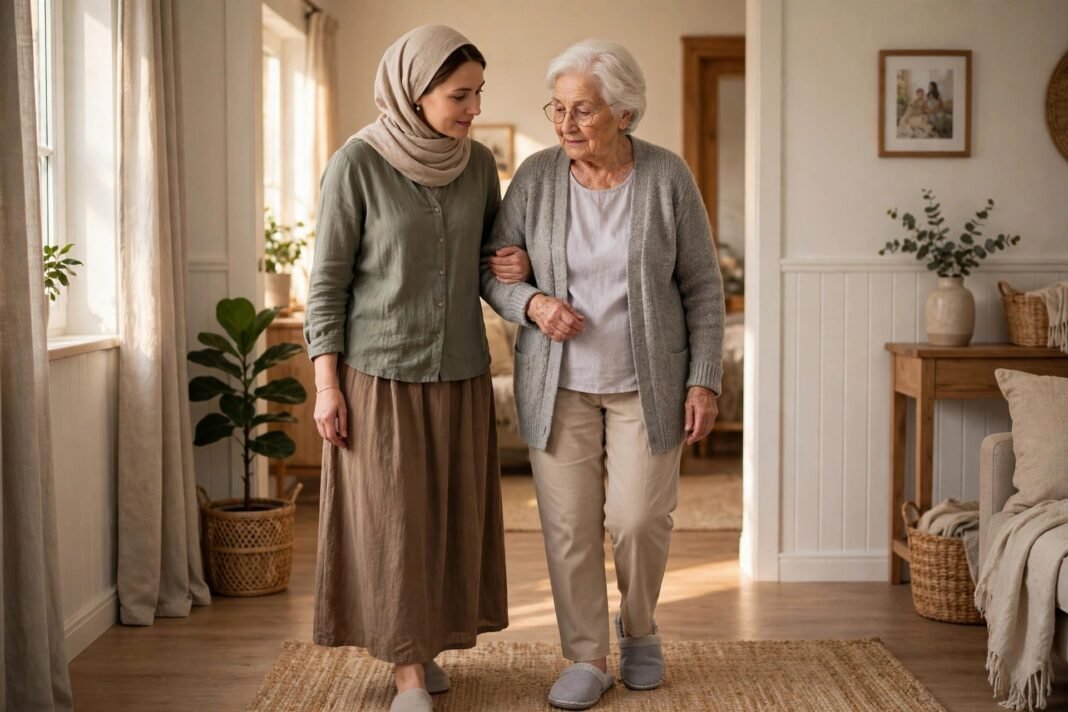
It is 3 in the morning. Your mother calls your name from the next room. You get up, help her to the bathroom, settle her back into bed, and then lie awake for an hour. Soon your alarm goes off, and your day begins. This is the hidden cost of caregiving, and millions of women pay it every single day.
Caring for elderly parents is an act of love. Yet love does not pay the bills. It does not bring back lost sleep. It does not protect your health. So this article looks at what caregiving really costs, why so many daughters carry it alone, and what can help.
What the Hidden Cost of Caregiving Really Looks Like
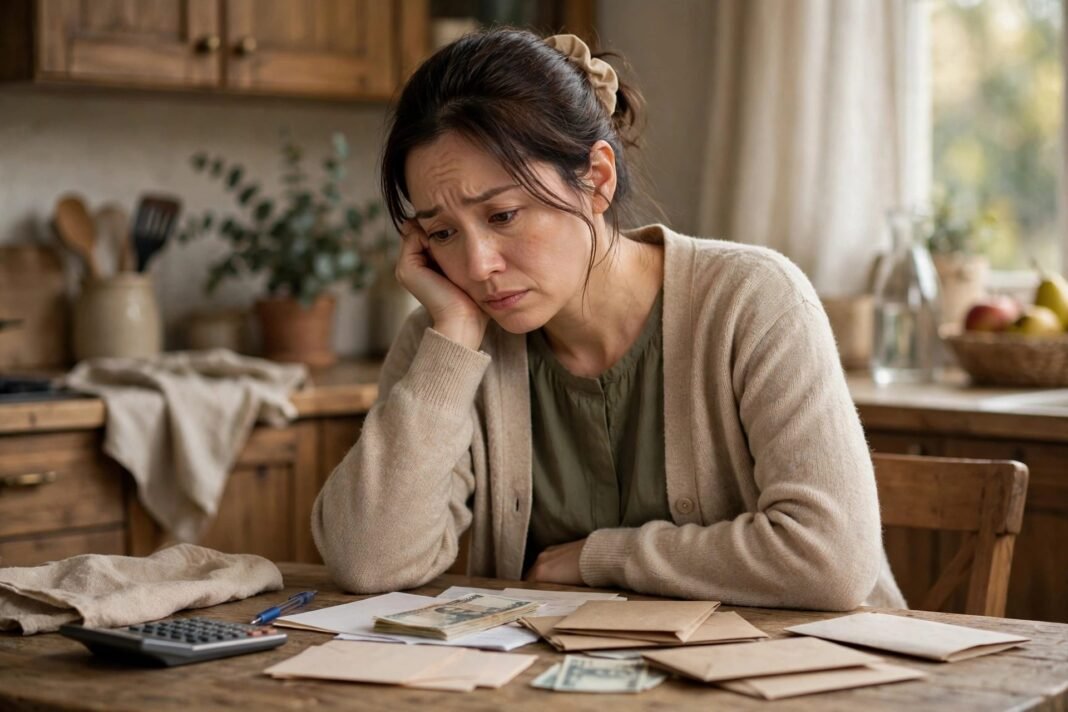
The hidden cost of caregiving starts with money. Medicine, doctor visits, transport, special food, and small changes at home all add up. In fact, many caregivers spend a large sum from their own pocket every year, and the bills never stop.
Then there is time. A large study found that family caregivers give about 24 hours of care each week. One in five gives 41 hours or more, which is the same as a full-time job. As a result, many women cut their work hours, turn down promotions, or leave their jobs. The lost income can follow them for years.
Sleep is another cost. Night calls, worry, and broken rest leave many caregivers tired all day. Meanwhile, their own health slowly wears down. One in five family caregivers rates their health as fair or poor. Nearly a quarter say they find it hard to take care of themselves.
Friendships fade too. There is no time for a coffee with a friend or a walk in the park. So the caregiver’s world grows smaller, and her own needs move to the bottom of the list. This is the mental load women carry, and it grows heavier with every year of care.
Why Daughters End Up Carrying the Care
Most daughters do not plan to become caregivers. It happens slowly. First, a parent needs a little help with shopping. Then help with cooking. Then help with bathing, medicine, and getting out of bed. One day, the daughter is doing it all.
Love is the first reason. She loves her parents and wants them safe at home. Duty is the second reason. In many families, old ideas still say that daughters should care for ageing parents. So when a parent falls ill, everyone looks at the daughter first.
Often, there is simply no one else. Brothers may live far away or work long hours. Other family members may help a little, but the daily care still falls on one woman. A large 2025 study found that 61% of family caregivers are women, and the average caregiver is 51 years old.
This is not about blame. Families are not villains. Most families do their best with what they have. But when care is shared by no one, one person pays the full price. If this feels familiar, you may also find comfort in reading about daughters who carry the emotional weight of ageing parents.
The Emotional Cost of Caregiving
The hidden cost of caregiving is not only money and time. It is also the weight on the heart. Many caregivers feel guilty for ever feeling tired. They tell themselves they should be grateful, because their parents gave them everything. Yet guilt does not make the tiredness go away.
Grief is part of it too. The parent in front of you is not the strong parent you remember. You grieve for that person while you still care for them. This grief has no funeral and no clear end, so it can feel very lonely.
Burnout can follow. The signs are easy to miss. Small things bring tears. You may snap at people you love. Sleep turns bad, and mornings bring no rest. Things you once loved slowly lose their joy. These are warning signs, not weakness. In fact, they are your body asking for help, and emotional exhaustion is a real and common burden for women who carry too much alone.
What Helps When the Hidden Cost of Caregiving Feels Too Much
Help starts with sharing the care. Call a family meeting and list every task: medicine, meals, washing, transport, night care. Then divide the list. Even one evening off each week can change how you feel. If a sibling lives far away, they can still help with money, phone calls, or paperwork.
Next, protect a small piece of each day for yourself. It does not need to be long. A 20-minute walk, a cup of tea in silence, or a short call with a friend can help. Rest is not selfish. It is what keeps you able to care.
Also, ask for help outside the family. Many areas have local carer support services that offer advice, short breaks, and someone to talk to. A doctor can also help if sleep or mood gets worse. There is no shame in asking. In fact, asking early is wiser than waiting until you break down.
Finally, plan for hard days. Keep a small list of people you can call. Keep medicine and key numbers in one place. When a crisis comes, a simple plan saves time and stress.
Where to Find Support
You do not have to carry this alone. Carers UK is a charity that supports unpaid carers with free advice on money, rights at work, and local services. Its helpline is 0808 808 7777, open Monday to Friday, 9am to 6pm. You can also find local carer support services near you through your doctor or local council.
If you feel very low or alone at night, Samaritans is open 24 hours a day, every day of the year, on 116 123. The call is free, and you can talk about anything.
Caring for elderly parents is one of the kindest things a person can do. But kindness should not cost a woman her health, her income, or her life. So ask yourself today: who cares for the caregiver? And what is one small step you can take this week to share the load?