Murree Air Pollution Hits Hazardous AQI 383
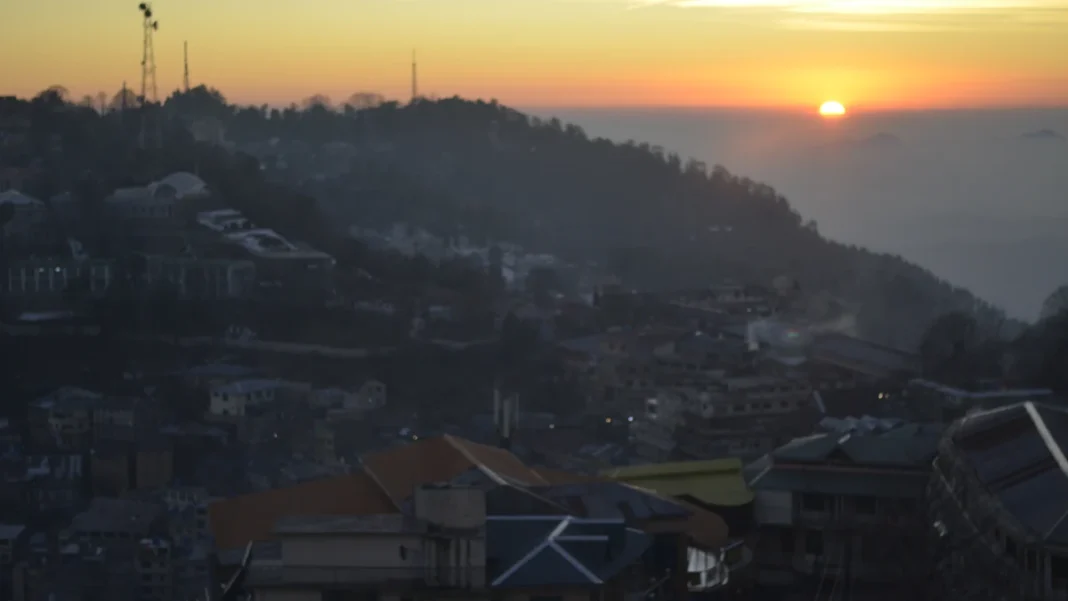
Murree air pollution has reached extremely hazardous levels for the first time, with the hill station’s air quality index climbing to 383. The smog that has gripped Punjab for weeks has now spread from the plains to the hills, alongside the twin cities of Rawalpindi and Islamabad and five major cities of Punjab. The Express Tribune reported the reading on Thursday, November 26.
On the commonly used air quality scale, any reading above 300 counts as hazardous. At 383, the air in Murree is far past the point where it is safe to breathe outdoors for long, and it is dangerous for children, older people and anyone with asthma or heart trouble.
Murree air pollution reaches the hills
Murree is a major tourist destination, and its cool, clean air is part of the reason people travel there. That reputation has now taken a hit. The same thick smog that has covered Lahore and other Punjab cities has climbed into the hills.
The spread follows a pattern FP has tracked all month. Lahore’s smog worsened on November 22, when the air quality index hit 500 in two areas of the city. Gujranwala recorded an index of 810 on November 25. Murree at 383 is lower than both, but it is the first time the hill station has recorded an extremely hazardous reading.
Where the smoke comes from
Rawalpindi district, which surrounds Murree, has a large number of brick kilns that emit poisonous black smoke. Stone-crushing machines, smoke-emitting vehicles, factories and industrial units add to the load.
The practice of burning garbage, scrap material and crop residues is also flourishing in the area. Old tyres are burnt to extract black oil, which adds thick, toxic smoke to the air.
The Environment and Climate Change Department has reportedly started hoping for rainfall to bring down pollution levels. Its advance operation to control air pollution and smog has proved completely unsuccessful, according to the report.
The deputy commissioner has issued instructions to launch an operation against all those responsible for emitting smoke. No details have been given yet about how many kilns, factories or vehicles the operation will cover, or when it will start.
What people should do
Medical experts have advised people to wear masks and to drink kehwa, soup, broth, tea and warm water. The advice is aimed at easing the throat and chest irritation that smog causes, though it does not remove the risk from breathing polluted air.
People with breathing trouble should stay indoors as much as possible and avoid morning walks and outdoor exercise while the index stays above 300. Children and older people face the highest risk.
Transport and the wider picture
Murree’s troubles come on top of other pressures on the hill station. Transport fares in Murree stayed high even after fuel prices were cut, a burden on visitors and residents alike.
The provincial government has pushed cleaner transport as part of its answer to smog. Maryam Nawaz has announced 5,000 more green buses for Punjab, with 35 electric buses already launched in Rawalpindi. Electric buses cut tailpipe smoke, but they do not touch brick kilns, crop burning or tyre burning, which are the main sources named in the Murree report.
The health system is already under strain from the smog season. Punjab’s hospitals face a shortage of 1,600 ventilators, a gap that matters most when smog sends more patients to emergency wards.
For now, Murree’s visitors face the same advice as people in Lahore and Gujranwala: wear a mask, limit time outdoors, and wait for rain.
Frequently asked questions
What is Murree’s air quality index?
Murree’s air quality index has reached 383, which counts as extremely hazardous. It is the first time the hill station has recorded such a level.
Is an AQI of 383 dangerous?
Yes. On the commonly used air quality scale, any reading above 300 is hazardous. At 383, the air is dangerous for everyone, and most of all for children, older people and people with asthma or heart trouble.
What is causing the pollution in Murree?
Brick kilns, stone-crushing machines, smoke-emitting vehicles, factories and industrial units in Rawalpindi district, along with the burning of garbage, scrap, crop residues and old tyres.
What are officials doing about it?
The deputy commissioner has ordered an operation against those responsible for emitting smoke. The Environment and Climate Change Department is hoping for rainfall to bring pollution levels down.
What should people in Murree do?
Medical experts advise wearing masks and drinking kehwa, soup, broth, tea and warm water. People with breathing trouble should stay indoors and avoid outdoor exercise while the index stays above 300.