First Legal Himalayan Ibex Hunt Opens 2026-27 Season
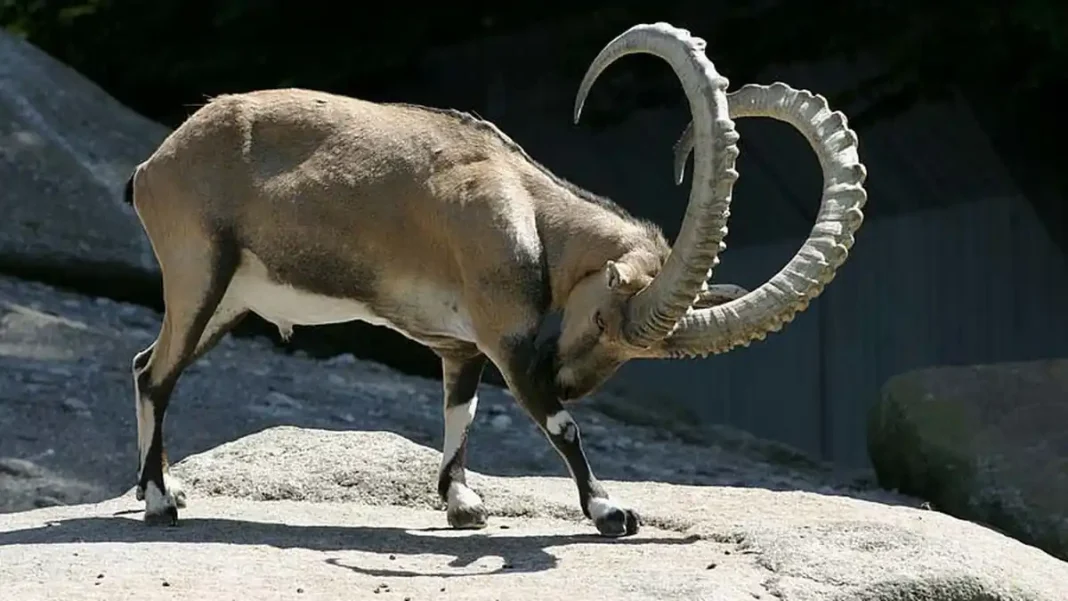
A Spanish hunter has legally shot a trophy-size Himalayan ibex in upper Hunza, opening the 2026-27 hunting season in Gilgit-Baltistan. The Himalayan ibex hunt took place in a community-controlled hunting area in Misgar, and the animal carried 44-inch horns.
Miguel Gorostidi Martinez De Ubago of Spain paid $11,000 for the trophy permit and $300 for a shooting licence, wildlife management officer Shabbirullah Baig said. The hunt was the first legal hunt of the season, which runs through April 10, 2027.
The same day brought a sharp contrast in the valleys nearby. A wildlife watchman arrested a suspected poacher in Gojal Valley with two illegally hunted Himalayan ibexes, a reminder that the legal hunt and the illegal trade run side by side in the same mountains.
How the Himalayan ibex hunt works
The hunt took place in a Community Controlled Hunting Area in upper Hunza’s Misgar area. Under this system, local communities manage the hunting blocks and share in the revenue, which gives villages a direct stake in protecting the animals. Roughly 80 per cent of the permit revenue supports local conservation under a community-based programme launched in 1990.
The fees in this case show how the system works in practice. The $11,000 trophy permit is the main payment, while the $300 shooting licence covers the right to hunt. Together they put money into conservation in the same valleys where the animals live.
Poacher caught the same day
Separately on Tuesday morning, wildlife watchman Shah Jahangir apprehended Haramosh resident Nadir Aman with two illegally hunted Himalayan ibexes during a routine patrol in Gojal Valley’s Khyber village. The two events on one day show both sides of wildlife management in Gilgit-Baltistan: the legal hunt is licensed, priced and monitored, with most of the fee flowing back to conservation, while poaching takes animals without a licence, without payment and without any benefit to the communities that guard them.
Why trophy hunting divides opinion
Trophy hunting in Pakistan’s northern mountains has long divided opinion. Supporters point to the conservation funding it brings to remote valleys where the state has little presence. Critics question whether killing wild animals can ever be called conservation, however high the fee.
The record in Gilgit-Baltistan gives supporters their strongest case. The community-based programme has run since 1990, and the revenue share has helped local people see wild animals as an asset rather than a threat to their livestock and crops. Snow leopards in the same region still face growing threats, which shows that hunting revenue alone cannot solve every conservation problem.
Legal hunts target a small number of mature males, and the permits are set against surveys of the local herds. When the count is done properly, the hunt leaves the breeding population intact. When it is not, the system fails.
What happens next in the season
The 2026-27 season runs through April 10, 2027, so more licensed hunts are likely in the coming months. Each permit will follow the same pattern: a fee, a licensed hunter, and a share of the money going to the communities that manage the hunting area. The poaching case will now move through the legal process, and wildlife officials will want the arrest to send a message, since the community programme depends on local people reporting illegal hunting rather than taking part in it.
For the valleys of upper Hunza, the season brings both income and risk. The legal hunts pay for conservation, but they also put a price on animals that poachers can undercut. The mountains of the region draw visitors for their lakes and valleys as well, and places such as Karambar Lake show the other side of the northern economy. Istor-o-Nal and the Hushe Valley are among the high places that draw climbers and trekkers to the region. The Hushe Valley in particular has built its name on trekking routes that run deep into the Karakoram.
Frequently asked questions
How much did the Spanish hunter pay for the Himalayan ibex hunt?
He paid $11,000 for the trophy permit and $300 for a shooting licence, a total of $11,300.
Where did the hunt take place?
The hunt took place in a Community Controlled Hunting Area in upper Hunza’s Misgar area of Gilgit-Baltistan.
How long does the 2026-27 hunting season run?
The season runs through April 10, 2027. This hunt was the first legal hunt of the season.
Where does the permit money go?
Roughly 80 per cent of the permit revenue supports local conservation efforts under a community-based programme launched in 1990.
What happened to the poacher arrested the same day?
Wildlife watchman Shah Jahangir apprehended Nadir Aman of Haramosh with two illegally hunted Himalayan ibexes during a patrol in Gojal Valley’s Khyber village.