


Allegations of human rights violations in Pakistan come from many directions — and sorting credible documentation from noise matters. This guide sticks to what Pakistan’s own statutory bodies, its courts, and established international monitors have verified in 2025 and 2026, so you can see exactly what is documented, by whom, and what happened next.
Quick answer: The best-documented human rights violations in Pakistan (2025–26) include custodial torture — over 1,300 complaints logged by the NCHR between 2018 and 2022 — blasphemy accusations against minorities (8 Christians accused and 8 acquitted in 2025, per the NCJP), and abduction and forced conversion of minority girls (about 75 per cent Hindu victims, mostly in Sindh, per 2026 UN expert findings). Courts have acquitted high-profile victims, but systemic enforcement gaps persist.
In this guide
Who Documents Violations — and Why It Matters
Three layers of documentation carry the most weight. First, statutory bodies: the NCHR’s inspection reports and its 2026 alternate report to the UN Committee Against Torture. Second, civil society: the HRCP’s annual State of Human Rights reports, the NCJP’s Human Rights Monitor, and specialised groups like Justice Project Pakistan and the Centre for Social Justice. Third, the courts: acquittals and convictions that turn allegations into judicial fact. Reports from UN experts and treaty bodies add a fourth, international layer. For the institutional side of this picture, see our guide to Pakistan’s human rights laws and institutions.
Custodial Torture and Deaths
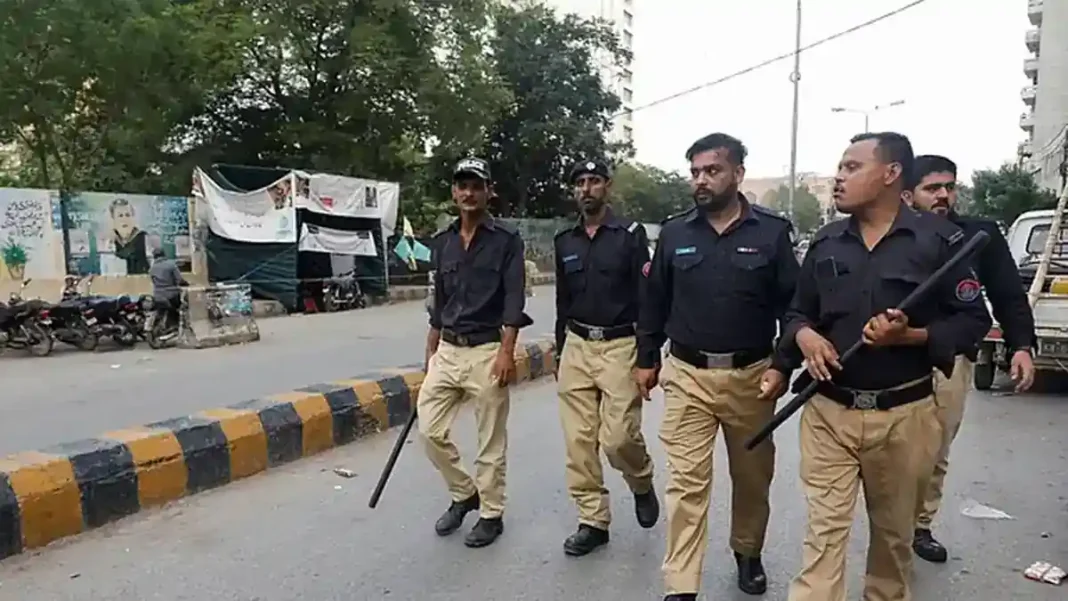
This is the most systematically documented violation category. The NCHR received over 1,300 complaints related to custodial abuse and detention conditions between 2018 and 2022, and its teams visited 150 police stations to examine conditions of detention and identify possible torture cases. Its 2026 alternate report to the UN Committee Against Torture found that despite the 2022 anti-torture law, Pakistan’s statutory definition of torture still does not fully align with international standards — missing explicit reference to psychological suffering, proportionate penalties, and victim compensation. Overcrowded detention adds pressure: Pakistan’s prisons hold over 110,000 inmates, three in four of them under trial.
Violations Against Minorities
The NCJP’s Human Rights Monitor 2026 — reviewing 2025 — documented eight Christians accused of blasphemy, two granted bail and eight acquitted, alongside 35 incidents involving minority women and girls, mostly Christians and Hindus. Two cases defined the year: Anwar Kenneth, a 72-year-old Christian acquitted by the Supreme Court in June 2025 after 23 years on death row, and nurses Mariam Lal and Newosh Arooj, acquitted in November 2025 after the court found the complainant had failed to substantiate the allegations. The NCJP has called for repeal or substantial amendment of the blasphemy laws, compensation for victims, and a comprehensive study of the laws’ social and economic impact.
Enforced Disappearances
Enforced disappearance — detention by state agents followed by refusal to acknowledge it — remains one of Pakistan’s most contested violations, concentrated historically in Balochistan and Khyber Pakhtunkhwa. The Commission of Inquiry on Enforced Disappearances, headed by a retired judge, has processed thousands of cases since 2011, though families and rights groups dispute its effectiveness and conviction record. Courts have repeatedly ordered the production of missing persons, and the issue features in nearly every HRCP annual report.
Violations Against Journalists
Documented violations against the press include abductions, assaults and the use of sedition and cybercrime laws against reporters. Pakistan’s improvement to 150th on the 2023 World Press Freedom Index notwithstanding, international monitors continue to record cases of journalists picked up and released without charge — a pattern rights groups describe as intimidation. Article 14’s dignity guarantee and Article 19’s speech protections are the constitutional provisions most often invoked in these cases (see our Article 14 explainer).
Frequently Asked Questions
What evidence exists of torture in Pakistan?
The NCHR logged over 1,300 custodial-abuse complaints between 2018 and 2022 and inspected 150 police stations. Its 2026 alternate report to the UN Committee Against Torture documented gaps in the 2022 anti-torture law’s definition, penalties and victim-compensation provisions — the most authoritative recent evidence base.
How many people were acquitted in blasphemy cases in 2025?
Eight Christians were acquitted of blasphemy charges in 2025, according to the NCJP’s Human Rights Monitor 2026 — including Anwar Kenneth, freed by the Supreme Court after 23 years on death row, and nurses Mariam Lal and Newosh Arooj, acquitted in November.
What are enforced disappearances in Pakistan?
Enforced disappearance refers to detention by state agents followed by refusal to acknowledge the detention. A dedicated Commission of Inquiry has processed thousands of cases since 2011, concentrated in Balochistan and Khyber Pakhtunkhwa, though families and rights groups continue to question its results.


