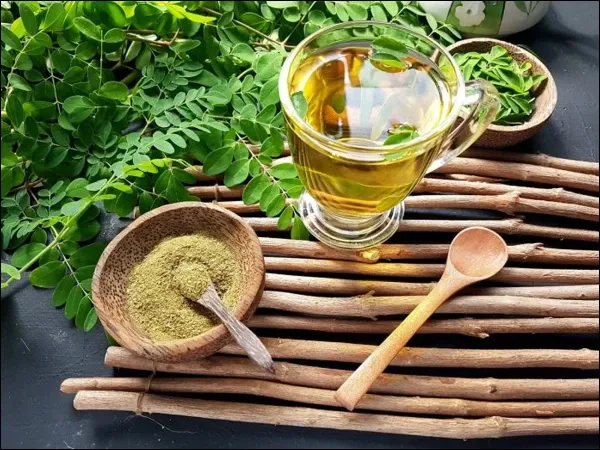
For millions of people, the day does not properly begin without a hot cup of tea. However, regular black tea and coffee contain caffeine, which may not suit everyone.
Some people become restless after drinking caffeine. Others experience difficulty sleeping, headaches, a racing heartbeat, or stomach discomfort. Therefore, many people now look for herbal drinks that can fit into their daily routine without adding more caffeine.
Moringa tea has become one such option.
Made from the leaves of Moringa oleifera, this herbal drink has attracted attention because moringa leaves contain several nutrients and naturally occurring plant compounds. In Pakistan, the plant is commonly known as sohanjna, while people in many other countries call it the drumstick tree.
Plain moringa leaf tea does not use traditional black or green tea leaves. Therefore, a simple moringa infusion is generally caffeine-free. However, a commercial blend may contain green tea, black tea, mate, or other caffeine-containing ingredients, so checking the label still matters.
Moringa has a long history as both a food and a traditional plant remedy in South Asia, Africa, and other tropical regions. Modern researchers have also studied its leaves for their nutritional content and possible effects on inflammation, blood sugar, blood pressure, oxidative stress, and other areas of health.
That does not mean every popular claim about moringa has been proven.
In fact, much of the excitement around moringa comes from laboratory studies, animal research, traditional use, and relatively small human trials. Newer reviews suggest that moringa may offer some health benefits, but researchers still need larger and better controlled human studies before they can make firm medical recommendations.
So, should you replace your morning tea with moringa tea?
The answer depends on what you expect from it.
What Is Moringa Tea and Why Is It Becoming Popular?
Moringa tea comes from the leaves of Moringa oleifera, a fast-growing tree that thrives in warm and tropical regions.
People eat different parts of the plant, including its leaves, pods and seeds. However, the leaves have attracted particular interest because they contain vitamins, minerals, amino acids and several plant-based compounds.
Researchers have identified flavonoids and phenolic compounds in moringa leaves, including quercetin, kaempferol, rutin and chlorogenic acid. Scientists continue to study these compounds because many of them show antioxidant or other biological activity in laboratory research.
Moringa tea usually uses dried leaves.
A person can place dried moringa leaves in hot water, allow them to steep and then strain the drink. The result is a light herbal infusion with an earthy and slightly grassy taste.
Some people enjoy it plain. Others add lemon, ginger, cinnamon or a small amount of honey.
One major advantage is its lack of natural caffeine when the drink contains only moringa leaves.
That makes it potentially useful for people who want a warm morning drink without coffee or conventional tea. It may also appeal to people who want something they can drink later in the afternoon or evening without consuming additional caffeine.
However, consumers should understand an important nutritional difference.
Eating whole moringa leaves or leaf powder is not exactly the same as drinking moringa tea. When leaves sit in hot water, some water-soluble plant compounds enter the drink, but the person does not consume the entire leaf.
Therefore, claims about the nutrient content of whole moringa leaves should not automatically be applied to one cup of moringa tea.
The exact amount of beneficial compounds in a cup can vary according to the quantity of leaves, growing conditions, drying methods, storage, water temperature and steeping time.
Still, moringa tea offers a simple way to include a plant-based herbal drink in the diet.
A comprehensive review published recently described Moringa oleifera as a plant with significant nutritional value and potential for use in functional foods. Researchers continue to investigate its leaves because of their diverse nutrient and phytochemical profile.
What Nutrients and Plant Compounds Does Moringa Contain?
One reason moringa receives so much attention is the composition of its leaves.
Moringa leaves contain protein and a variety of micronutrients. Reviews have also identified carotenoids, phenolic acids, flavonoids and other bioactive compounds in the plant.
However, consumers should avoid the common mistake of treating moringa tea like a vitamin supplement.
A dried leaf may contain valuable nutrients, but not every nutrient transfers into water in the same amount. Drinking an infusion also leaves much of the plant material behind.
Therefore, moringa tea works better as part of a varied diet than as a replacement for vegetables, fruit, protein-rich foods or prescribed supplements.
Researchers show particular interest in moringa’s antioxidant compounds.
Oxidative stress occurs when reactive molecules overwhelm the body’s protective systems. Scientists have linked long-term oxidative stress with several chronic diseases, although the relationship can be complex.
Moringa contains compounds that can act as antioxidants in laboratory settings. These include quercetin, chlorogenic acid and several other phenolic substances.
This is one reason people often describe moringa as an antioxidant-rich plant.
However, saying that a plant contains antioxidants is different from proving that drinking its tea prevents disease in humans.
The body processes plant compounds in complicated ways. Absorption, metabolism, dose and overall diet all affect what happens after a person consumes them.
Therefore, people should treat antioxidant claims as one part of the nutritional picture rather than proof that moringa tea can prevent serious illnesses.
Moringa leaves have also drawn attention because of their potential anti-inflammatory activity.
Recent reviews describe several bioactive compounds that may influence inflammatory pathways. However, much of this evidence comes from experimental research rather than large clinical trials involving people drinking moringa tea every day.
Researchers have also examined moringa extracts against certain bacteria in laboratory conditions.
These experiments can help scientists identify interesting compounds, but they do not prove that drinking moringa tea treats a bacterial infection.
That distinction matters.
Someone with a suspected infection should seek appropriate medical advice rather than relying on an herbal drink as an antibiotic substitute.
So, while moringa has an impressive botanical profile, the strongest way to describe it is simple: it is a nutrient-containing plant with several promising compounds that researchers continue to study.
Can Moringa Tea Help With Blood Sugar, Blood Pressure or Weight?
Blood sugar control is one of the most widely discussed potential benefits of moringa.
Scientists have investigated whether compounds in moringa leaves can influence glucose metabolism, insulin activity and oxidative stress.
Recent clinical evidence provides some interesting results, but it also shows why people should remain cautious.
A randomized human trial involving people with type 2 diabetes tested different amounts of moringa leaves. Researchers found some changes in measured health markers, but after statistical adjustment, the groups did not show significant differences across the main parameters. The researchers described the improvements as marginal.
More recently, a systematic review and exploratory meta-analysis examined 20 clinical studies involving people with metabolic diseases.
The pooled results suggested that moringa supplementation may be associated with reductions in fasting blood glucose, HbA1c and blood pressure. However, the researchers also highlighted major differences between studies and limitations in study quality. They concluded that the findings should remain preliminary until stronger trials confirm them.
That means moringa looks interesting, but it is not a proven replacement for diabetes medication.
People who already take insulin or glucose-lowering medicine should also avoid assuming that more moringa automatically means better blood sugar control.
If an herbal supplement affects glucose levels, combining it with medication could potentially complicate blood sugar management.
Therefore, anyone with diabetes who wants to consume concentrated moringa products regularly should discuss that decision with a doctor or qualified dietitian.
Researchers have also investigated moringa and blood pressure.
The same recent meta-analysis found an association between moringa supplementation and lower systolic and diastolic blood pressure across the included trials. However, the authors again stressed that study quality, different patient groups and variations between trials limit how confidently researchers can interpret those results.
People taking blood pressure medication should therefore continue their prescribed treatment.
A cup of herbal tea should never become a reason to stop antihypertensive medicine.
Weight loss creates another area where online claims often move faster than scientific evidence.
Moringa contains chlorogenic acid and other plant compounds that scientists have studied in relation to metabolism. Experimental studies have also examined possible effects on fat accumulation and metabolic health.
However, that does not make moringa tea a proven fat