


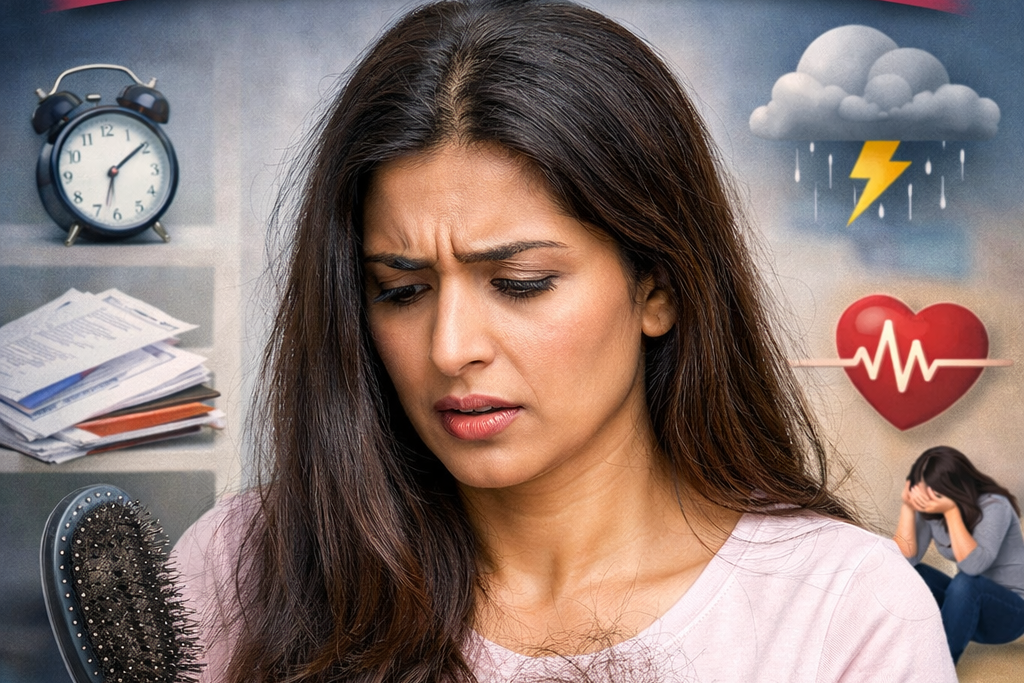
Stress is a common part of modern life. For many women, stress affects hair health directly. Hair fall, thinning, and slow growth often result from chronic stress. Experts warn that ignoring stress can damage hair over time.
Stress triggers hormonal changes in the body. High levels of cortisol, the stress hormone, can disrupt the hair growth cycle. Normally, hair grows in three stages: anagen (growth), catagen (rest), and telogen (shedding). Stress pushes more hair into the telogen phase, causing excessive shedding.
Women under pressure may notice sudden hair fall. It can occur in patches or evenly across the scalp. Some women report their hair becomes dry, brittle, or dull during stressful periods. Stress also affects scalp health, leading to dandruff or itching, which worsens hair problems.
Medical experts say stress does not only affect hair externally. Nutrient absorption and blood circulation can decrease under stress. Poor nutrition reduces essential vitamins and minerals reaching hair follicles. Iron deficiency, vitamin B12 deficiency, and low protein intake make hair fragile and prone to breakage.
Psychological stress can also worsen existing hair conditions. Women with thyroid problems, alopecia areata, or hormonal imbalances may see faster hair loss during stressful periods. Mental health and hair health are closely linked, and managing one helps the other.
Several studies confirm that stress affects hair health in women significantly. Researchers observed that women experiencing high emotional stress had more telogen effluvium—a condition where hair falls out due to stress. Stress also slows down hair regrowth, making recovery longer.
Fortunately, women can take steps to protect their hair from stress-related damage. Experts recommend a combination of lifestyle changes, nutrition, and self-care. Regular exercise reduces cortisol levels and improves blood flow to hair follicles. Yoga, meditation, and deep breathing help manage stress and promote hair growth.
Nutrition plays a crucial role. Eating iron-rich foods, proteins, omega-3 fatty acids, and vitamins supports hair strength. Foods like spinach, eggs, nuts, and fish help hair recover faster. Drinking enough water keeps the scalp hydrated, reducing dryness and breakage.
Hair care routines can also reduce stress-related damage. Gentle shampoos, conditioners, and avoiding excessive heat or chemical treatments keep hair healthy. Scalp massages increase blood flow and stimulate growth. Women should avoid tight hairstyles that strain hair roots.
Mental well-being is as important as physical care. Talking to friends, practicing hobbies, and seeking counseling when necessary can lower stress levels. Stress affects hair health in women more when it becomes chronic, so early intervention is key.
Experts warn that sudden hair loss should not be ignored. Persistent shedding may indicate underlying issues like thyroid imbalance, iron deficiency, or hormonal disorders. Consulting a dermatologist or trichologist helps identify the root cause.
Stress affects hair health in women across all age groups. Young adults balancing studies and careers, mothers managing households, and working professionals all face hair-related issues due to stress. Recognizing signs early allows women to act before significant damage occurs.
In addition to lifestyle changes, supplements may help. Biotin, iron, zinc, and vitamins A, C, and E improve hair strength. However, women should consult a doctor before taking any supplements, especially during pregnancy or existing health conditions.
Experts stress that hair recovery takes time. Reducing stress, improving nutrition, and following a proper hair care routine may show results in a few months. Consistency is essential for long-term hair health.
In conclusion, stress affects hair health in women in multiple ways. It causes hair fall, slows growth, and weakens hair structure. Hormonal changes, nutrient deficiencies, and mental health challenges all play a role.
Women can combat stress-related hair problems through healthy lifestyles, balanced nutrition, self-care, and professional guidance. Early awareness and action are key to maintaining strong, healthy hair.
Stress is inevitable, but its impact on hair health is controllable. With the right approach, women can protect their hair and regain its natural shine and strength.