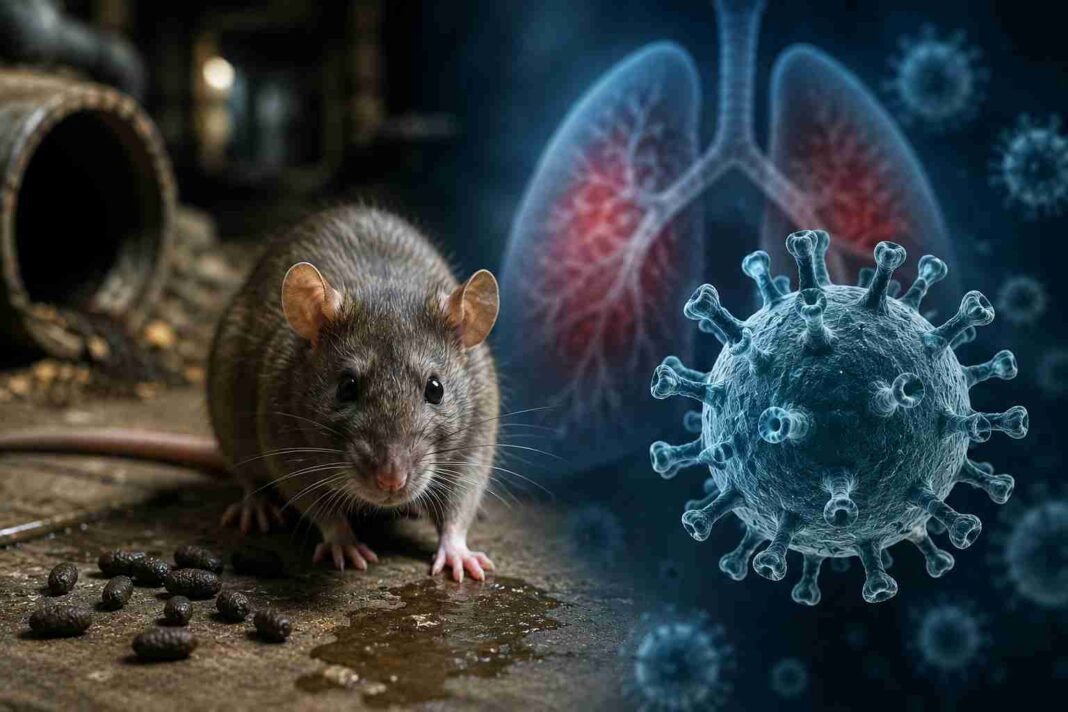
Hantavirus is a rare but dangerous virus that spreads mainly through contact with infected rodents such as rats and mice. Health experts say people usually become infected after breathing air contaminated with rodent urine, saliva, or droppings.
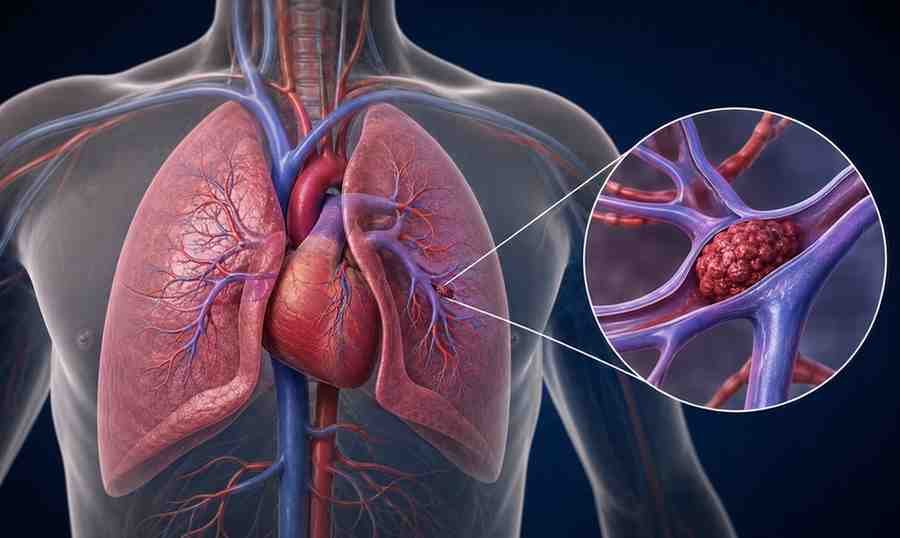
The virus can cause serious illnesses that affect the lungs or kidneys. Early symptoms often include fever, fatigue, muscle pain, headache, nausea, and chills. In severe cases, patients may develop breathing problems and dangerous lung complications.
Many people are now asking whether hantavirus could spread globally like COVID-19.
Medical experts say hantavirus is very different from COVID-19. Unlike the coronavirus, hantavirus does not spread easily from person to person in most cases. COVID-19 spread rapidly because infected people could easily transmit the virus through coughing, sneezing, and close contact.
However, hantavirus infections usually come directly from exposure to infected rodents or contaminated environments. Therefore, experts believe the risk of a worldwide pandemic similar to COVID-19 remains very low.
Doctors also explain that hantavirus cases are relatively rare compared to respiratory viruses like COVID-19. Most reported infections occur in rural or poorly cleaned areas where rodents are present.
Although the virus is uncommon, health authorities still advise people to take precautions. Experts recommend keeping homes clean, avoiding rodent infestations, and wearing protective gloves or masks while cleaning dusty storage areas or rodent-contaminated spaces.
There is currently no specific cure or vaccine for hantavirus. However, early medical treatment can improve survival chances and reduce severe complications.
Health experts continue monitoring hantavirus cases carefully, but they stress that the virus does not currently show the same widespread human transmission pattern seen during the COVID-19 pandemic.