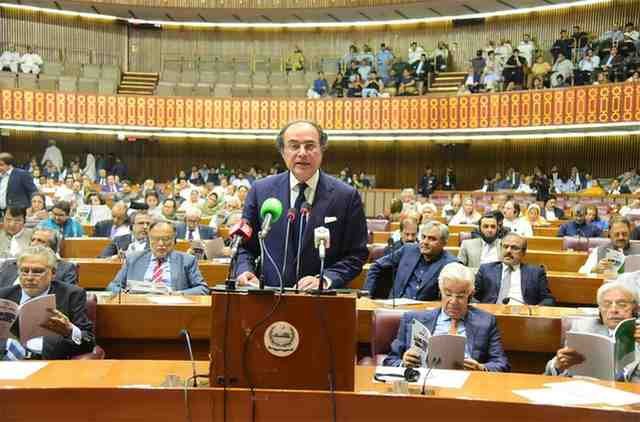
ISLAMABAD: The federal government’s Budget 2026-27 has sparked debate among economists, business leaders, and political figures. While many welcomed some relief measures, several former PML-N leaders questioned the overall direction of government policy.
The government announced tax relief for selected groups and introduced incentives for certain sectors. At the same time, it imposed new taxes to support revenue targets. As a result, reactions to Budget 2026-27 remain divided.
Speaking on a television program, former Sindh Governor Muhammad Zubair said the salaried class needed tax relief because workers in this category had carried a heavy burden in recent years. He argued that previous tax measures hurt investment and slowed industrial activity.
Zubair also expressed concern about the Federal Board of Revenue’s goal of increasing revenue collection by Rs2 trillion. According to him, authorities may rely heavily on enforcement measures to achieve that target. He warned that such an approach could create uncertainty for businesses and taxpayers.
Former Finance Minister Miftah Ismail shared a similar view. He said the government had taken a positive step by reducing taxes for salaried individuals. However, he added that the relief remained limited because small salary increases could move employees into higher tax brackets.
Miftah also highlighted Pakistan’s slow economic growth. He noted that the country has struggled to achieve strong growth in recent years. Therefore, he said Budget 2026-27 should have included stronger measures to boost exports, create jobs, and attract investment.
Former Privatization Minister Daniyal Aziz focused on poverty, inflation, and unemployment. He said the government did not present a clear strategy to reduce poverty. He also questioned official inflation estimates and warned that higher petroleum levy targets could increase financial pressure on consumers.
Furthermore, Aziz said Budget 2026-27 lacks a targeted employment plan. He argued that tax relief alone cannot significantly improve purchasing power when inflation remains high.
Despite their criticism, all three leaders acknowledged some positive reforms in Budget 2026-27. However, they stressed that Pakistan needs broader economic policies to support investment, create jobs, and ensure sustainable growth in the years ahead.