Lahore: The Punjab government has announced a major increase in Vehicle Token Tax rates after two decades. The decision was announced in the Finance Bill 2026-27 and forms part of a wider tax reform plan introduced for the new fiscal year.
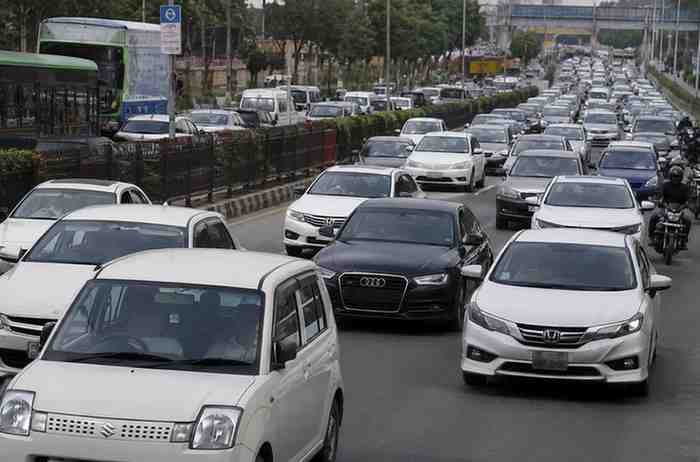
According to the Finance Bill, authorities have raised the Vehicle Token Tax for commercial and larger vehicles with engine capacities above 1,000 cc. As a result, vehicle owners in these categories will now pay higher annual taxes.
The government has also introduced new rules for car dealers. Under the revised policy, dealers must act as withholding agents on behalf of the government. Therefore, they must ensure that all tax requirements are complete during vehicle transactions.
In addition, authorities have linked vehicle registration more closely with sales procedures. Showroom owners can no longer deliver vehicles to customers without registration. If they violate this rule, they will face heavy financial penalties.
Meanwhile, the latest reforms extend beyond the Vehicle Token Tax changes. The Punjab government has also revised several taxation measures affecting businesses and consumers across the province.
For example, customers who pay hotel bills through credit or debit cards will now pay an 8 percent sales tax. Likewise, the government has increased the sales tax rate on various general services from 5 percent to 8 percent.
Furthermore, officials have strengthened enforcement measures against tax violations. Companies that fail to follow tax laws may face penalties ranging from Rs500,000 to Rs1 million. At the same time, traders who do not submit tax returns for two consecutive months may lose their status on the Active Taxpayers List.
The government has also imposed a 3 percent tax on services provided by foreign exchange companies and money changers. Officials believe these measures will improve revenue collection and encourage greater compliance with tax regulations.
However, the Finance Bill also includes relief for certain sectors. The Punjab government has abolished the Cotton Fee previously charged on raw cotton. Similarly, newly established businesses will receive exemptions from certain tax regulations for their first 6 months of operation.
In another relief measure, authorities have removed the monthly penalty on delayed property tax payments. However, unregistered traders will not qualify for government contracts, licenses, or No Objection Certificates.
Moreover, the government has significantly increased fines for violations of Punjab Revenue Authority regulations. Authorities have also raised penalties for businesses that fail to issue invoices during transactions.
The latest increase in Vehicle Token Tax marks one of the most notable tax policy changes in Punjab in recent years. Through these reforms, the provincial government aims to strengthen documentation, improve tax collection, and expand compliance across multiple sectors of the economy.