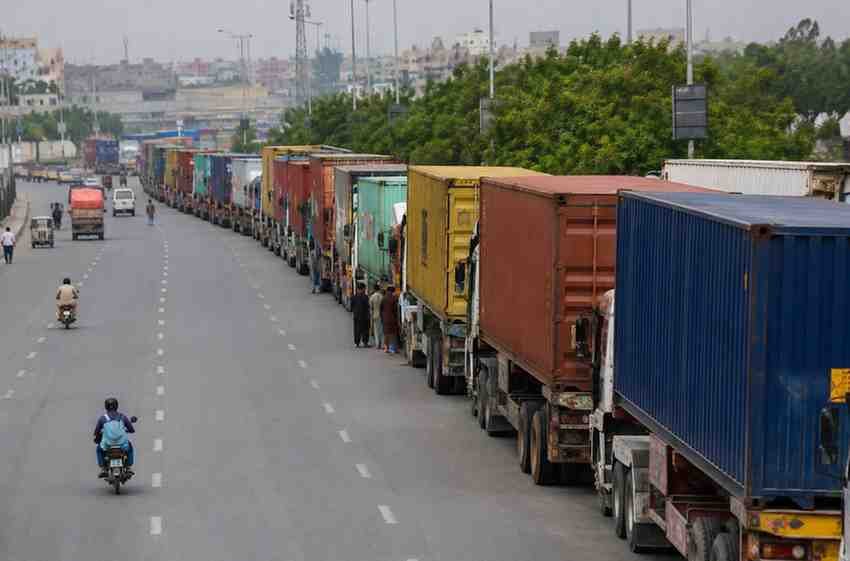
Pakistan faces growing economic and supply chain concerns as transporters continue their nationwide Goods Transport Strike. The shutdown has disrupted the movement of imported goods, exports, raw materials, and essential food supplies across the country.
Transport operators decided to continue the wheel-jam strike after talks with the federal government failed to produce a final agreement. Transport leaders say they will keep vehicles off the roads until authorities formally approve their demands.
The latest negotiations took place at the Ministry of Communications, where government officials and transport representatives discussed the ongoing dispute. Both sides reviewed the transporters’ demands and possible ways to resolve the situation.
However, the meeting failed to deliver a breakthrough. As a result, the Goods Transport Strike continues to affect businesses that depend heavily on road transportation for daily operations.
Goods Transport Alliance President Shahzad Awan said Federal Minister for Communications Abdul Aleem Khan assured transporters that the government would cooperate in resolving their concerns. However, the discussions did not produce a final approval or formal agreement.
Transport representatives now want the government to issue an official notification before they end the strike. They argue that verbal assurances alone cannot provide enough certainty to resume nationwide goods transportation.
Meanwhile, Goods Transport Owners Association President Muhammad Awais Chaudhry maintained a firm position on the dispute. He said transporters would continue pressing for what they consider their legitimate and legal demands.
According to Chaudhry, the transport community will not end the strike until the government officially accepts its demands. Therefore, the absence of a formal notification remains the main obstacle to restoring normal transport operations.
The continuing Goods Transport Strike has started creating serious problems for industries across Pakistan. Many factories rely on trucks and other commercial vehicles to receive raw materials and send finished products to markets.
When transport operations stop, factories can quickly face shortages of essential inputs. Consequently, manufacturers may struggle to maintain normal production if the disruption continues for an extended period.
The strike has also affected the movement of goods linked with Pakistan’s imports and exports. Delays in cargo transportation can create additional problems for traders, manufacturers, exporters, and businesses connected with ports.
Furthermore, businesses may face higher storage and operational costs when goods remain stuck for longer periods. Such delays can also affect delivery schedules and create uncertainty for companies dealing with local and international customers.
Food supplies have emerged as another major concern during the Goods Transport Strike. Transport disruptions have reportedly affected the movement of edible oil and other essential commodities toward markets and production facilities.
A prolonged shutdown could place additional pressure on supply chains if distributors cannot replenish stocks on time. Consumers could eventually feel the impact if shortages develop in wholesale or retail markets.
Industrial units also face growing uncertainty because they require a regular supply of raw materials. Any major interruption can slow production, delay orders, and increase costs for businesses already dealing with economic pressures.
Moreover, Pakistan’s supply chain depends heavily on road freight to connect ports, factories, warehouses and markets. A nationwide transport shutdown can therefore create problems across several sectors at the same time.
The Goods Transport Strike could also affect exporters who operate under strict shipment deadlines. Delays in moving products toward ports can create difficulties for companies trying to fulfill international orders on schedule.
Similarly, importers need reliable transport services to move cargo from ports to warehouses and factories. Continued disruption could leave businesses waiting longer for machinery, components, industrial inputs and consumer products.
Traders now closely watch negotiations between transport representatives and the federal government. A successful agreement could restore cargo movement and reduce pressure on businesses, markets and industrial operations.
However, transport leaders have linked the end of the protest with an official government notification. This position means verbal commitments may not immediately convince transporters to return their vehicles to the roads.
The government now faces pressure to resolve the dispute before disruptions spread further across the economy. Quick negotiations could help prevent deeper problems in manufacturing, trade and the distribution of essential commodities.
At the same time, both sides need to find a workable solution that addresses legitimate concerns while protecting economic activity. Extended disruption could increase losses for transporters, manufacturers, traders and other businesses.
The impact of the Goods Transport Strike will largely depend on how long the shutdown continues. A short disruption may create temporary delays, while a prolonged strike could put greater pressure on supply chains and industrial production.
Businesses will therefore closely follow any fresh talks between government officials and transport leaders. An official agreement could allow trucks to return to the roads and help normalize the movement of goods.
Until both sides settle, concerns about shortages, delayed shipments and industrial disruption will remain. The coming negotiations could determine whether Pakistan avoids a wider economic and supply chain crisis.