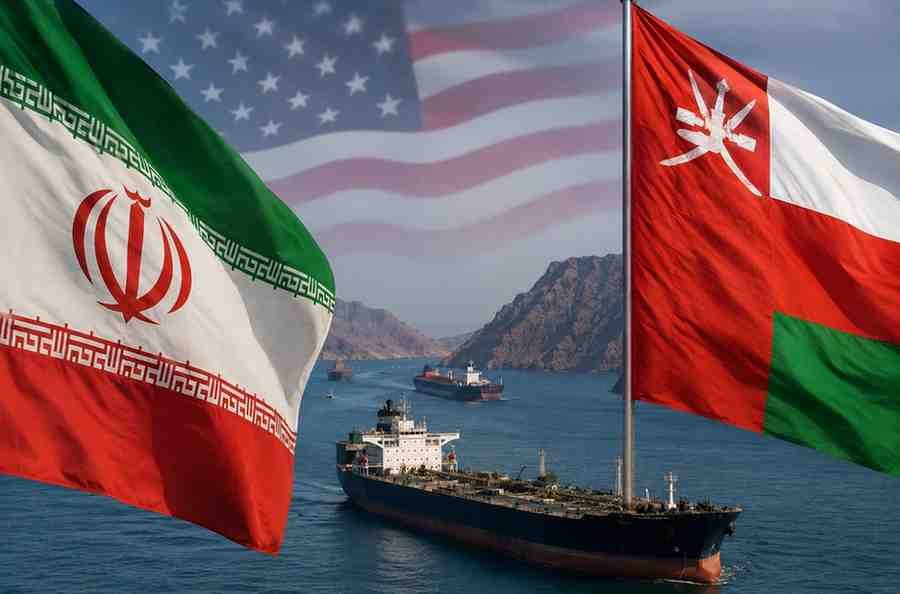


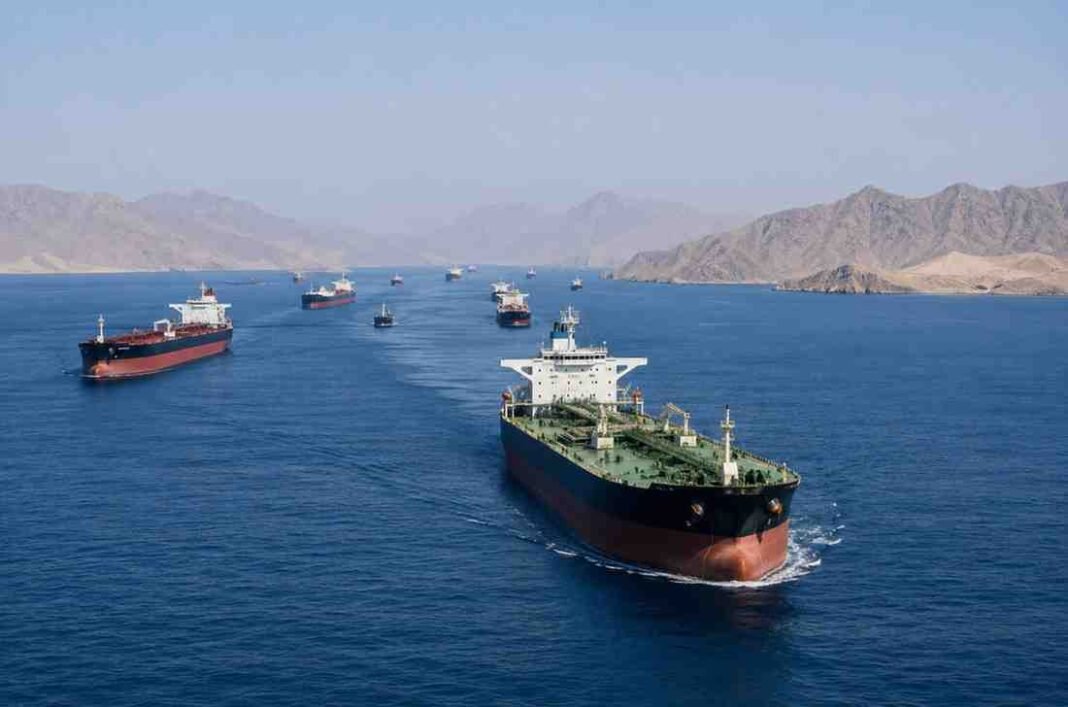
Oil transportation through the Strait of Hormuz has picked up pace as energy flows from the Gulf region continue to recover. US Energy Secretary Chris Wright said shipments through the strategic waterway have reached around 9 million barrels per day.
Wright shared the latest figures on X and highlighted the growing movement of energy supplies from the Gulf. The increase in Hormuz Oil Shipments comes as global markets closely monitor security conditions across the Middle East.
According to Wright, Gulf countries now send around 15 million barrels of oil per day to international markets through different routes. He credited Gulf allies and the US military for supporting continued energy movement from the region.
Meanwhile, pipelines and alternative export facilities have also played an important role in maintaining supplies. Wright said these facilities move an additional 5 million to 7 million barrels of oil per day outside the region.
The Strait of Hormuz remains one of the world’s most important energy routes. Therefore, any major change in traffic through the narrow waterway can quickly attract attention from oil traders, governments and shipping companies.
Fresh maritime tracking data also showed increased vessel activity. MarineTraffic data indicated that seven ships traveled through the Strait of Hormuz on Tuesday as commercial movement continued through the strategically important passage.
The increase in Hormuz Oil Shipments comes despite continuing security concerns in surrounding waters. Reports of military activity and maritime incidents have kept shipping companies alert while vessels navigate the wider Gulf region.
CNN reported several bombing incidents in Middle Eastern waters on Tuesday. At the same time, American military authorities released details about a separate encounter involving a Panama-flagged cargo vessel in the Gulf of Oman.
US Central Command said American forces took action against the cargo vessel while it traveled toward Iran. CENTCOM claimed that the ship violated a US blockade targeting Iran.
According to the command, a US Navy helicopter fired two missiles at the vessel, turning off its steering capability. CENTCOM later said the ship stopped its journey toward Iran following the military action.
The command also said American forces would continue enforcing the blockade. Consequently, shipping operators continue to face significant security risks while traveling through waters surrounding Iran and the Gulf of Oman.
However, rising Hormuz Oil Shipments suggest that significant volumes of energy continue to move through the region. The latest figures could attract particular attention because international oil markets depend heavily on stable Gulf supplies.
Another maritime incident also raised concerns on Tuesday. The United Kingdom Maritime Trade Operations reported an attack involving a container vessel operating in the Gulf of Oman.
According to the UKMTO alert, the crew requested emergency assistance following the incident. The crew also started preparing to leave the vessel as concerns about their safety increased.
A message on a public maritime radio channel indicated that 17 people were aboard the ship. Reports placed the vessel near the eastern end of the Gulf of Oman when the incident occurred.
Meanwhile, UKMTO reported another serious maritime event in the southern Red Sea. The organization said an unidentified projectile struck a cargo vessel traveling through the area.
The incident reportedly caused casualties and added to concerns surrounding commercial shipping routes in the wider region. Maritime operators now continue to monitor security alerts while planning journeys through these strategically important waters.
Despite these developments, Hormuz Oil Shipments have continued at a significant pace. The reported flow of 9 million barrels per day highlights the Strait of Hormuz’s continuing importance to international energy supplies.
The additional use of pipelines and export terminals also gives Gulf producers alternative routes for moving oil. These facilities can help maintain part of the region’s exports when maritime disruptions create difficulties for tankers.
Still, the Strait remains extremely important because of the huge volumes of energy that traditionally pass through it. Any disruption can influence shipping costs, insurance rates, oil prices, and expectations across global markets.
For that reason, traders will closely watch both vessel traffic and regional security developments. Any escalation around the Gulf of Oman, Strait of Hormuz, or nearby shipping lanes could quickly increase uncertainty.
The latest rise in Hormuz Oil Shipments therefore carries significance beyond the Middle East. Countries that rely heavily on imported Gulf energy will closely follow whether current shipment levels remain stable in the coming days.
Meanwhile, maritime incidents continue to underline the risks facing commercial vessels. Shipping companies may need to balance security concerns against the importance of maintaining global trade and energy deliveries.
For now, seven vessels crossing the Strait on Tuesday and the reported increase in daily oil flows point toward stronger shipping activity. However, regional tensions continue to create uncertainty around one of the world’s most critical energy corridors.
Global markets will now watch Hormuz Oil Shipments, security developments, and diplomatic efforts for signs of what comes next. Stable traffic could ease supply concerns, while fresh maritime disruptions could quickly renew pressure on energy markets.