


Hearing the words gestational diabetes during a routine prenatal visit can feel alarming, but it is one of the most common pregnancy complications, and it is highly manageable. Gestational diabetes is a type of diabetes that develops during pregnancy and usually goes away after the baby is born. With the right meal plan, regular activity, and careful blood sugar monitoring, most women have healthy pregnancies and healthy babies. This guide explains what gestational diabetes is, why it happens, who is at risk, how it is tested, how to manage blood sugar safely, and what it means for both mother and baby.
What Is Gestational Diabetes?
Gestational diabetes is high blood sugar that appears for the first time during pregnancy, typically in the second half. In a healthy pregnancy, the body produces extra insulin, the hormone that moves glucose from the blood into cells for energy. In gestational diabetes, the body does not make enough extra insulin to meet pregnancy’s increased demands, so glucose builds up in the blood instead of entering the cells.
It is important to distinguish gestational diabetes from diabetes that existed before pregnancy. Some women enter pregnancy with undiagnosed type 1 or type 2 diabetes, which prenatal screening may reveal. True gestational diabetes starts during pregnancy and is tied to pregnancy hormones. The Centers for Disease Control and Prevention estimates it affects roughly 5 to 9 percent of pregnancies in the United States each year. Most women feel perfectly fine, which is why routine screening is offered to everyone. When it is caught and managed, the outlook is excellent.
Why Does It Happen During Pregnancy?
The main cause of gestational diabetes is the placenta. To support the baby’s growth, the placenta produces hormones such as human placental lactogen, cortisol, and estrogen. These hormones help the baby get enough nutrients, but they also make the mother’s cells more resistant to insulin, a condition called insulin resistance. By the second and third trimesters, insulin resistance rises sharply.
In most pregnancies, the pancreas responds by producing up to three times the normal amount of insulin, keeping blood sugar steady. But in some women, the pancreas cannot keep up. When insulin supply falls short, blood sugar rises and gestational diabetes develops. This process is not caused by anything the mother did wrong. Eating sugar or sweets does not directly cause it, though overall diet and weight do influence risk.
Risk Factors for Gestational Diabetes
Any pregnant woman can develop gestational diabetes, but certain factors raise the risk. Knowing them helps doctors decide who needs earlier screening, but keep in mind that many women with no risk factors develop it, and many women with several risk factors do not.
Weight and Lifestyle Factors
Being overweight or having obesity before pregnancy is one of the strongest risk factors, because extra body fat increases insulin resistance. A history of physical inactivity is also associated with higher risk, while regular moderate activity before and during pregnancy is protective.
Medical and Family History
The risk is higher if you have prediabetes before pregnancy, a close family member with type 2 diabetes, polycystic ovary syndrome (PCOS), or high blood pressure. Women who had gestational diabetes in a previous pregnancy face a risk of up to 50 percent of developing it again in later pregnancies. Having previously given birth to a baby weighing more than 9 pounds (about 4 kilograms) is another warning sign.
Age and Ethnicity
The risk rises with maternal age, especially over 25, and increases further after 35. Rates are also higher among women of South Asian, Middle Eastern, Hispanic, Black, Native American, and Pacific Islander backgrounds, so doctors may screen some women earlier than the usual window. Eating too much sugar in early pregnancy does not directly cause gestational diabetes; it is driven by placental hormones and insulin resistance, not by any single food.
How Is Gestational Diabetes Tested?
Most pregnant women are screened for gestational diabetes between 24 and 28 weeks, when placental hormones are at their peak effect on insulin resistance. Women with strong risk factors may be tested earlier, sometimes at the first prenatal visit, and retested later if the early result is normal.
The Glucose Challenge Test (GCT)
Screening usually begins with the one-hour glucose challenge test. You drink a sweet liquid containing 50 grams of glucose, and one hour later a blood sample is drawn to measure your blood sugar. No fasting is required for this test, and many women can eat normally beforehand. If the result is below about 140 mg/dL (7.8 mmol/L), the test is considered normal. A result at or above this threshold does not diagnose gestational diabetes; it simply means you need the follow-up diagnostic test. Some clinics use a lower cutoff of 130 mg/dL to catch more cases, which means a “failed” screening is common and is not a cause for panic.
The Oral Glucose Tolerance Test (OGTT)
If the screening result is high, the next step is a longer diagnostic test. The most common version is the three-hour oral glucose tolerance test: you fast overnight, drink a solution containing 100 grams of glucose, and have blood drawn when fasting and then at one, two, and three hours. Gestational diabetes is diagnosed if two or more values meet or exceed the standard thresholds, roughly 95 mg/dL fasting, 180 mg/dL at one hour, 155 mg/dL at two hours, and 140 mg/dL at three hours. Exact cutoffs vary slightly between laboratories and guidelines, so your doctor interprets the numbers for you.
Some practices use a one-step approach instead: a two-hour test with a 75-gram glucose drink, with diagnosis based on thresholds of about 92 mg/dL fasting, 180 mg/dL at one hour, and 153 mg/dL at two hours. This method follows international IADPSG criteria and is common in many countries. Whichever version is used, the purpose is the same: to see how well your body handles a measured glucose load during pregnancy.
What to Expect on Test Day
The glucose drink tastes like very sweet soda and can cause temporary nausea, especially on an empty stomach. Fasting is required before the diagnostic test, so it is usually scheduled for the morning. If you vomit during the test, tell the staff, because the test may need to be repeated another day.
Managing Blood Sugar Safely During Pregnancy
Management of gestational diabetes focuses on keeping blood sugar within target ranges through diet, activity, and monitoring. Most women never need medication, because lifestyle measures are enough. The typical targets set by diabetes organizations are a fasting level below 95 mg/dL (5.3 mmol/L), below 140 mg/dL (7.8 mmol/L) one hour after a meal, and below 120 mg/dL (6.7 mmol/L) two hours after a meal. Your doctor or diabetes educator will confirm the exact goals for you.
Eating for Steady Blood Sugar
The cornerstone of management is a meal plan that keeps glucose stable without depriving you or the baby of nutrients. Eat three small-to-moderate meals plus two or three snacks each day rather than skipping meals, which can cause blood sugar swings. Spread carbohydrates evenly across meals, and pair them with protein, healthy fats, and fiber, which slow digestion and blunt glucose spikes. Choose whole grains, lentils, beans, vegetables, and whole fruit over refined flour, sugary drinks, and sweets. Breakfast matters most, because insulin resistance peaks in the morning, so include protein such as eggs, yogurt, or nuts. A registered dietitian experienced in pregnancy can personalize the plan, and this referral is one of the most valuable steps after diagnosis.
Safe Exercise in Pregnancy
Regular moderate activity helps muscles use glucose without extra insulin. With your doctor’s approval, aim for about 150 minutes of moderate activity per week, such as brisk walking for 20 to 30 minutes after meals; a short post-meal walk is one of the simplest and most effective tools for lowering glucose. Swimming, stationary cycling, and prenatal yoga are also good options. Avoid contact sports, activities with a fall risk, and exercising in extreme heat.
Monitoring Blood Sugar at Home
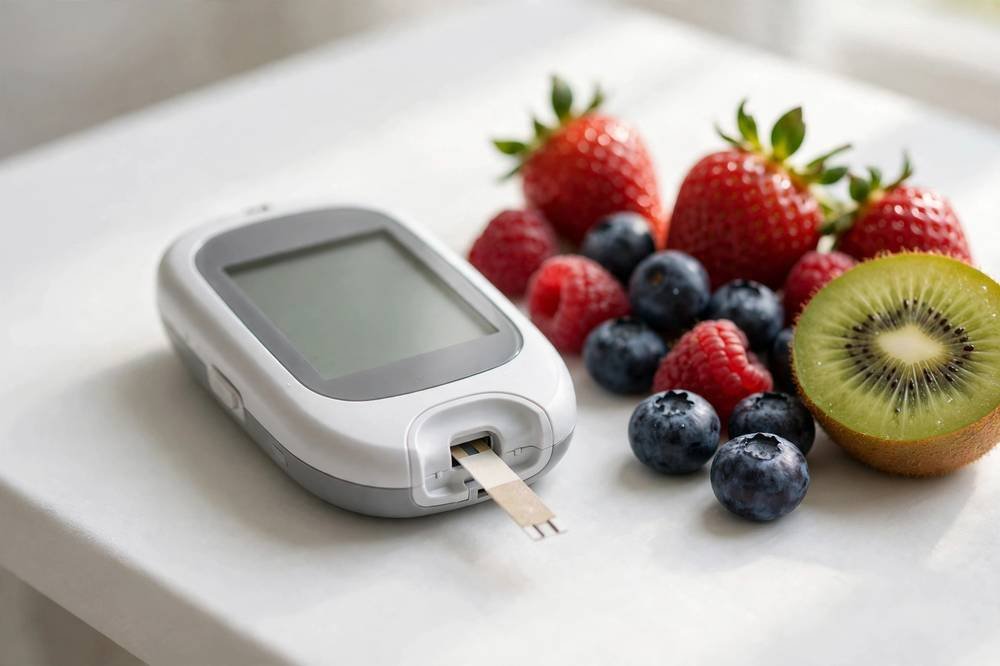
Your care team will likely ask you to check your blood sugar with a glucometer, often four times a day: fasting in the morning and one or two hours after meals. Log every reading with the time and what you ate, and bring the log to each appointment. This record is what guides decisions about whether diet and exercise are enough or whether medication is needed. Wash and dry your hands before testing, since food residue on fingers can distort readings.
When Medication or Insulin Is Needed
If blood sugar stays above target despite diet and exercise, your doctor may prescribe medication. Insulin is the preferred treatment in pregnancy because it does not cross the placenta in significant amounts and has the longest safety record. Some doctors prescribe metformin or glyburide, which can be effective, though guidelines differ on their use in pregnancy. Needing medication is not a failure; it simply means your placenta is producing more insulin-blocking hormones than diet and activity alone can overcome.
Effects on Baby and Mother
When blood sugar is well controlled, most risks of gestational diabetes drop sharply. The complications below are associated mainly with high, uncontrolled blood sugar, which is why monitoring and management matter so much.
Effects on the Baby
The most common effect is excessive growth, called macrosomia. Extra glucose crossing the placenta makes the baby produce extra insulin, which acts as a growth hormone and can lead to a birth weight over 9 pounds. Very large babies face a higher chance of shoulder injury during delivery and a greater likelihood of cesarean birth. After birth, the baby’s extra insulin production can cause low blood sugar in the first hours of life, which is why these newborns are monitored closely. Jaundice is also more likely.
Effects on the Mother
Uncontrolled gestational diabetes raises the mother’s risk of high blood pressure and preeclampsia, a serious pregnancy complication, and increases the chance of cesarean delivery. In the longer term, having gestational diabetes is one of the strongest predictors of type 2 diabetes: about half of affected women develop it within five to ten years. The reassuring news is that breastfeeding, maintaining a healthy weight, and staying active after delivery all lower these long-term risks substantially.
Does Gestational Diabetes Go Away After Birth?
Yes, in most cases. Once the placenta is delivered, the hormones that caused insulin resistance disappear, and blood sugar usually returns to normal within hours. Most women can stop blood sugar monitoring and any diabetes medication right after delivery, though the care team confirms this before discharge.
However, the story does not end at delivery. Guidelines recommend a glucose tolerance test six to twelve weeks after birth, and diabetes screening every one to three years thereafter, because the future risk of type 2 diabetes is so high. Breastfeeding is strongly encouraged: it helps the baby maintain healthy weight and improves the mother’s insulin sensitivity, lowering her own future diabetes risk.
Frequently Asked Questions
Can gestational diabetes harm my baby if my numbers are controlled?
When blood sugar stays within the target range, the risks to the baby are close to those of a normal pregnancy. Consistent monitoring, diet, and activity are what make the difference.
Will I need insulin?
Most women manage with diet and exercise alone. If medication becomes necessary, insulin is the first choice in pregnancy because of its strong safety record, and it is usually stopped after delivery.
Does gestational diabetes mean my baby will have diabetes?
No. Babies do not develop diabetes from gestational diabetes. They may have temporary low blood sugar after birth, and they carry a higher long-term risk of obesity and type 2 diabetes, but healthy habits in childhood make a large difference.
Important note: This article is for general information only and is not medical advice. Every pregnancy is different, so work closely with your obstetrician, midwife, or diabetes care team for testing, targets, and treatment decisions. If you have symptoms such as extreme thirst, frequent urination, blurred vision, or unusual fatigue during pregnancy, contact your healthcare provider promptly.